Fresh Tomato Sauce

Arjun Mehta
| 24-11-2026
 · Cate team
A good pasta sauce does not always need to spend hours on the stove. When ripe tomatoes are full of flavour, they can become the foundation of a fresh sauce without any cooking at all. This raw tomato sauce combines chopped tomatoes with fragrant basil, garlic, olive oil, and capers to create a simple mixture that is ready to enjoy after a short resting period.
The preparation is straightforward, but giving the ingredients time to sit together is an important part of the recipe. During that hour, the tomatoes release their juices, the garlic adds its aroma, and the basil infuses the olive oil. The result is a light, colourful sauce that works particularly well with freshly cooked pasta.
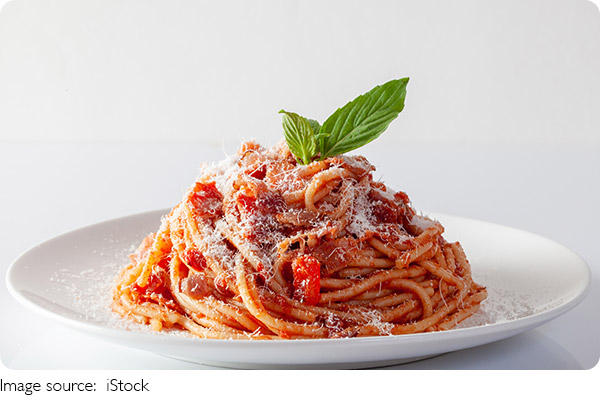
Ingredients You Will Need
1¼ lb finely chopped tomatoes
3 cups coarsely chopped basil leaves
⅓ cup extra-virgin olive oil
3 garlic cloves, finely chopped
¼ cup salt-packed capers
1 lb hot cooked pasta, for serving
Freshly grated Parmesan, for topping
- Choose ripe tomatoes with a pleasant aroma and firm flesh. Since they are not cooked, their natural flavour has a major influence on the finished sauce. Fresh basil is also important because its fragrance gives the mixture much of its character.
- Extra-virgin olive oil brings the ingredients together, while freshly chopped garlic distributes its flavour throughout the tomatoes. The pasta and Parmesan are serving additions rather than part of the uncooked sauce itself.
Step-by-Step Preparation Instructions
1. Prepare the tomatoes. Wash the tomatoes and finely chop them into small pieces. Place them in a large mixing bowl, keeping their natural juices so they can become part of the sauce.
2. Chop the fresh ingredients. Coarsely chop the basil leaves and finely chop the garlic cloves. Add both to the bowl with the tomatoes, spreading the ingredients throughout the mixture.
3. Add the olive oil. Pour the extra-virgin olive oil over the tomatoes, basil, and garlic. Stir gently until the ingredients are evenly combined and the tomatoes are lightly coated.
4. Leave the mixture to rest. Cover the bowl and keep it at room temperature for one hour. This resting period allows the flavours to develop together. The tomatoes will release more juice, helping form the sauce without additional cooking.
5. Prepare the capers. While the tomato mixture rests, place the salt-packed capers in a separate small bowl. Cover them with warm water and leave them for 2 to 3 minutes so they soften.
6. Separate the capers from the excess salt. Allow the salt to settle at the bottom of the soaking bowl. Use a slotted spoon to lift out the softened capers, leaving the settled salt behind.
7. Combine the sauce. Add the capers to the rested tomato mixture and stir gently. Taste the mixture before adding any extra seasoning, since the capers already contribute a noticeable salty flavour.
8. Prepare the pasta. Cook the pasta separately until ready to serve. Drain it while hot, then transfer it to a large serving bowl.
9. Bring everything together. Add the raw tomato mixture to the hot pasta and toss until the pieces are distributed throughout. The warmth of the pasta helps release the aroma of the fresh ingredients without requiring the sauce itself to be heated.
10. Finish and serve. Divide the pasta among serving plates and add freshly grated Parmesan on top. Serve immediately while the pasta is warm and the tomato mixture remains fresh.
Tips for Better Flavour and Storage
Because this sauce depends on fresh ingredients, choosing good tomatoes is more important than adding extra seasonings. Very firm or underripe tomatoes may produce a less satisfying result. Ripe, juicy pieces provide both flavour and the liquid needed to coat the pasta.
Do not skip the resting period. Although the preparation takes only a few minutes, the hour allows the garlic, basil, and olive oil to mingle with the tomato juices. Adding the capers after they have been softened also helps distribute their flavour without bringing all the excess salt into the bowl.

This raw tomato sauce is a practical way to make fresh ingredients the centre of a simple meal. The result is a fresh, straightforward dish that makes the most of a handful of well-chosen ingredients.