Easy Rhubarb Compote

Vivienne
| 24-11-2026
 · Cate team
A homemade fruit compote is a simple way to add colour and flavour to breakfast, desserts, and afternoon treats. This rhubarb version has a pleasant balance of sweetness and gentle tartness, with lemon zest and vanilla adding extra depth. It takes only a few minutes to prepare and cooks in one saucepan, making it an easy recipe to keep in mind whenever rhubarb is available.
The finished mixture is soft, thick, and spoonable, with pieces of rhubarb that gradually break down as they cook. It can be served over scones, used between cake layers, or stirred into a bowl of porridge. Because the recipe uses a small number of ingredients, the natural character of the fruit remains the main feature.
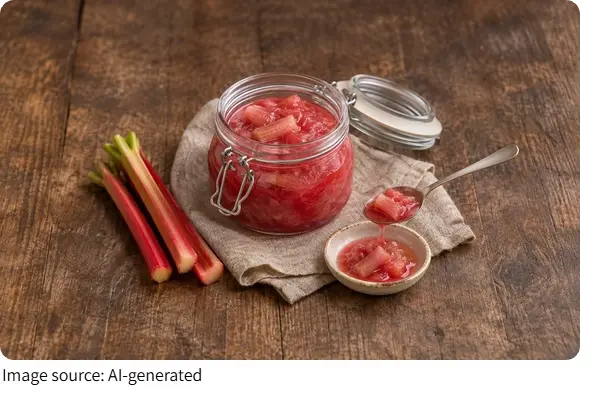
Ingredients You Will Need
250g rhubarb, roughly chopped
100g caster or granulated sugar
1 lemon, zested
½ tsp vanilla bean paste
A drop of red food colouring gel, optional
2 tbsp water
Fresh or frozen rhubarb can be used. When choosing fresh pieces, look for firm stalks without noticeably damaged sections. Cut them into roughly similar sizes so they soften at a fairly even rate.
Caster sugar dissolves readily during cooking, while granulated sugar is also suitable. Lemon zest contributes a fresh citrus aroma, and vanilla bean paste gives the mixture a gentle sweetness that complements the fruit.
The water is needed when preparing fresh rhubarb, but it should be left out when using frozen pieces. Frozen rhubarb releases moisture as it heats, so additional liquid is unnecessary.
Step-by-Step Cooking Instructions
1. Prepare the rhubarb. Wash the fresh stalks and cut them into roughly even pieces. If using frozen rhubarb, measure out the required amount and have it ready. Keeping the pieces similar in size helps them cook at a more consistent rate.
2. Combine the ingredients. Place the rhubarb in a large saucepan. Add the sugar, lemon zest, and vanilla bean paste. Pour in 2 tablespoons of water when using fresh rhubarb. Skip the water if your fruit is frozen.
3. Begin cooking. Set the saucepan over medium heat and bring the mixture to a gentle simmer. Stir occasionally as the sugar dissolves and the rhubarb begins releasing its natural juices.
4. Allow the fruit to soften. Continue simmering for approximately 10 to 15 minutes. Stir from time to time to help the ingredients combine and prevent the mixture from sticking to the bottom of the saucepan.
5. Check the consistency. Watch as the rhubarb becomes soft and begins to break apart. The mixture should gradually thicken as the fruit releases its moisture and cooks down. Continue until the pieces are nearly collapsing and the liquid has developed a spoonable consistency.
6. Adjust the appearance if desired. When using frozen rhubarb, you can stir in a small drop of red food colouring gel if you would like a more pronounced pink colour. This addition is entirely optional and does not affect the basic preparation.
7. Cool before serving. Remove the saucepan from the heat and transfer the compote to a bowl. Leave it to cool completely before using. As it cools, the mixture will settle into a thicker consistency.
Ways to Enjoy Rhubarb Compote
One of the best things about this preparation is how easily it fits into different meals. Spoon it over warm scones for a simple afternoon treat, or spread a layer between cake layers to add a fruity contrast to a sweeter dessert. It also works well as a breakfast topping. Add a spoonful to porridge for a combination of creamy oats and soft fruit, or serve it alongside plain yogurt. The tartness of the rhubarb helps balance richer or sweeter ingredients without requiring additional preparation.
For a more dessert-focused option, use the compote as a topping for a simple sponge cake. Its soft texture makes it easy to spread, while the lemon and vanilla notes complement a range of lightly flavoured baked treats.
Helpful Tips for a Good Result
The main thing to watch during cooking is the texture. Rhubarb can soften considerably, so check it as the simmering time approaches 10 minutes. If you prefer a compote with more visible pieces, avoid stirring too vigorously. For a softer result, occasional gentle stirring will help the fruit break down further.
Remember to leave out the extra water when using frozen rhubarb. Adding it unnecessarily can make the mixture thinner and may require more cooking time to reach the desired consistency.
This rhubarb compote is a practical recipe for turning a handful of simple ingredients into a versatile fruit topping. The sweetness of the sugar balances the rhubarb's natural sharpness, while lemon zest and vanilla give the finished mixture a pleasant aroma.
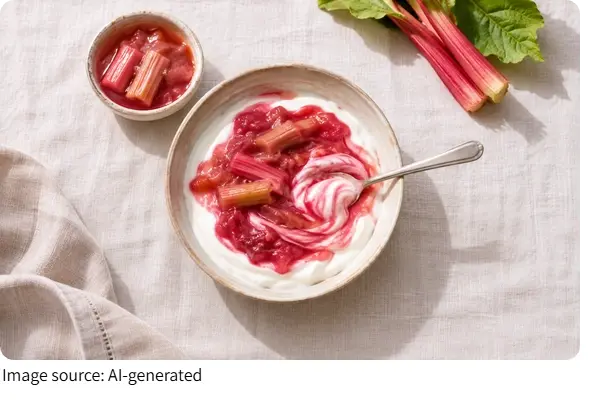
With one saucepan and a short cooking time, it is easy to prepare without much advance planning. Keep it simple, let the fruit soften gently, and serve it with scones, cake, or breakfast favourites whenever you want a little extra fruit flavour.