Seared Tuna Steak

Ravish Kumar
| 24-11-2026
 · Cate team
When time is short, a well-cooked tuna steak can make an excellent meal without requiring a long ingredient list or complicated preparation. Its firm texture makes it suitable for quick cooking in a hot pan, while a light coating of olive oil helps prepare the surface for searing. With only a few minutes of cooking on each side, this recipe is a straightforward option for lunch or dinner.
The method is deliberately simple, but a few details matter. Choose steaks with enough thickness, heat the pan properly, and watch the cooking time closely. Tuna cooks quickly, so preparing everything before turning on the stove makes the process easier to manage.
Choosing Tuna for the Best Result
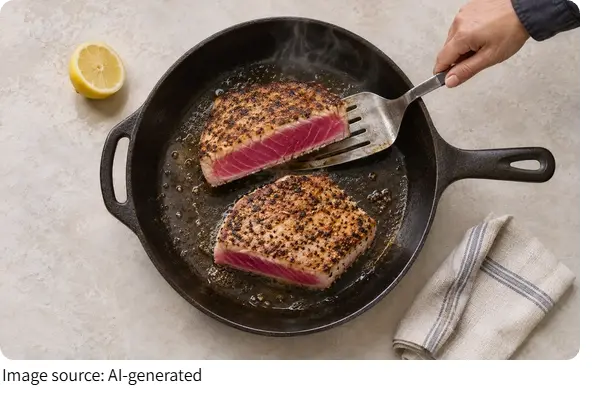
The thickness of the steaks is worth considering before you begin. Thicker pieces are generally easier to sear because they give you more control over the difference between the cooked exterior and the centre. Very thin pieces can cook through quickly, leaving less room to manage the final texture. When selecting tuna, look for flesh that appears firm, dense, and red or dark red. Choose pieces with a consistent appearance and purchase them from a reliable fish supplier. Keep the fish properly chilled until you are ready to prepare it.
Ingredients and Preparation
2 thick tuna steaks
Olive oil, for brushing
Seasoning, as desired
Step-by-Step Cooking Instructions
1. Prepare the tuna. Remove the steaks from their packaging and pat both sides dry with paper towels. Removing excess moisture helps the surface brown more effectively during cooking.
2. Season the fish. Brush both sides lightly with olive oil, making sure the coating is even. Add your preferred seasoning to both sides. Keep the preparation simple so the natural flavour of the tuna remains noticeable.
3. Heat the pan. Place a frying pan or griddle pan over high heat. Allow it to become very hot before adding the fish. A properly heated surface is important for creating a good seared finish.
4. Cook the first side. Carefully place the tuna steaks in the hot pan. Leave them undisturbed for approximately 1 to 2 minutes. The exact time will depend on the thickness of each piece.
5. Turn the steaks. Use a spatula to turn the fish carefully. Cook the opposite side for another 1 to 2 minutes. Avoid repeatedly moving the steaks, allowing each surface to make steady contact with the pan.
6. Check the cooking progress. Look at the side of each steak to see how far the heat has travelled through the fish. Adjust the cooking time according to the thickness and your preferred level of doneness.
7. Remove from the heat. Once the tuna has reached your preferred doneness, transfer the steaks to a serving plate. Remember that the centre may continue cooking slightly from the remaining heat.
8. Allow the fish to rest. Leave the tuna for a couple of minutes before serving. This short resting period gives the cooking process time to settle and makes it easier to serve the steaks neatly.
Serving Ideas and Practical Tips
Since the tuna has a straightforward preparation, it pairs well with fresh and uncomplicated accompaniments. A green salad, steamed vegetables, or plain rice can make the meal more substantial without distracting from the fish. A little citrus on the side is another option for anyone who enjoys a fresher finish.
Avoid overcrowding the pan. When preparing more steaks than can fit comfortably in one layer, cook them in separate batches. This gives each piece enough contact with the heated surface and makes the cooking process easier to manage. It is also helpful to have your side dishes and serving plates ready before cooking begins. The tuna needs only a short time in the pan, so preparing everything in advance prevents unnecessary delays.
Seared tuna steak is a useful recipe for anyone who appreciates simple cooking and a short preparation time. Olive oil, basic seasoning, and a properly heated pan are all that is needed to get started. Choosing thick steaks and paying attention during the brief cooking stages are the details that make the biggest difference.
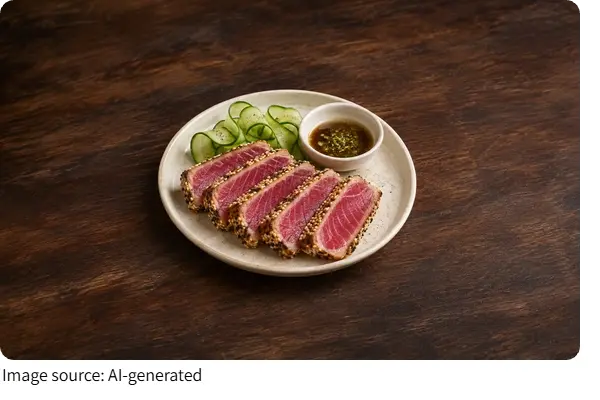
Serve the fish with a few fresh sides, allow it to rest before eating, and enjoy a meal that makes good use of straightforward ingredients. Sometimes, careful timing and a simple approach are all a recipe needs.