Moose Antlers Drop Annually

Amara
| 25-11-2026
 · Animal team
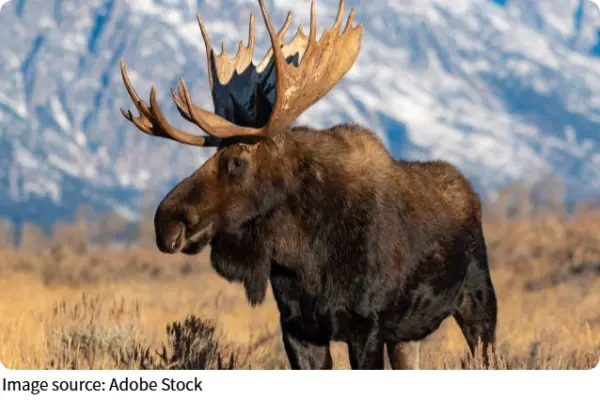
You've probably seen a photo of a bull moose with a full set of antlers and assumed those things are permanent hardware.
They're not. A male moose grows a fresh pair every single year, then drops them, usually sometime between late fall and early winter. The whole cycle resets, and by spring he's growing a new set from scratch.
The Annual Drop Is Real
Bull moose shed their antlers once a year, typically after the rut, the autumn mating season. Once the breeding window closes, the tissue at the base of the antler, called the pedicle, weakens and the antler separates. It can happen within days, and a moose can drop both sides close together or with a gap of a week or two. Walk through parts of Alaska or northern Scandinavia in December, and you might find a shed antler lying on the snow, no animal attached.
Why They Grow Them at All
Antlers are not for fighting off wolves. They're for the rut, and specifically for showing off. A bull with a wide, many-pointed rack signals size and health to females, and he uses it to push against rival males. Biologists have documented bulls locking antlers and shoving for minutes at a time. The antlers come off right after that contest ends, which tells you how tied they are to one job.
Growing a New Set Is Costly
Regrowing antlers takes a lot out of a bull. A mature set can weigh 40 to 60 pounds, and the animal has to pull calcium and phosphate from its own skeleton to build it. That's why you see bulls in poor condition growing smaller, thinner racks. The antlers come in covered in velvet, a fuzzy skin that feeds blood to the growing skeletal structure, and the bull rubs it off on saplings once the skeletal structure hardens in late summer. A year of growth, a few weeks of use, then it's gone.
Cows Play a Different Game
Female moose don't grow antlers at all, with rare exceptions. They don't need them. The rut is a male competition, and cows pick winners based on what they see and hear, including the deep calls bulls make during the season. So next time you spot a moose with no antlers in winter, don't assume it's sick or young. It might just be a bull who already finished his business for the year.
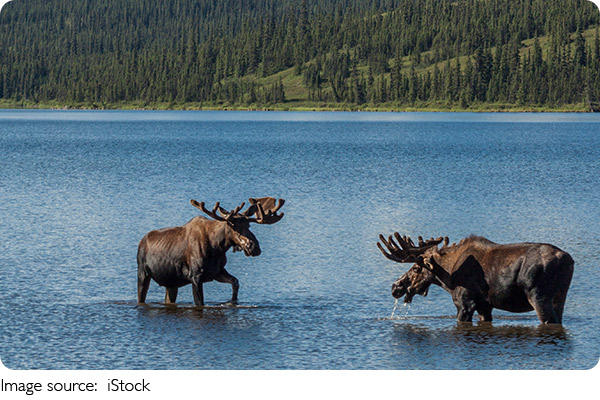
The takeaway is simple: those antlers are seasonal equipment, not a lifelong feature. Next time you see a bull moose in full rack, remember you're looking at one year of work that's already scheduled to disappear.