Cheetah Cubs Learn to Hunt
Pardeep Singh
| 25-11-2026
 · Animal team
A cheetah cub is born with the body of a sprinter and the instincts of a kitten.
It can't hunt. For the first months of its life, everything it eats comes from its mother, and the slow education toward its first solo hunt takes roughly a year and a half to complete.
The Mother's Live Practice Sessions
Around four to six months old, the cubs get their first real lesson, and it doesn't look like hunting at all. The mother brings back a live, small animal, often a young gazelle or a hare, and releases it in front of the cubs. The prey is usually injured or exhausted, so the cubs can practice pouncing without much risk. They chase it, trip over their own feet, and miss more often than they connect. That clumsy phase is the whole point.
Why Play Looks so Serious
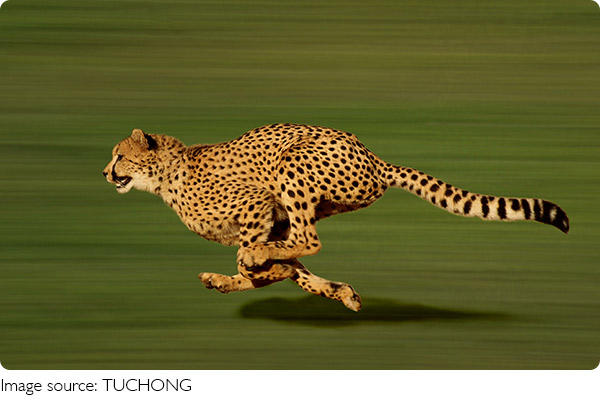
Watch a litter of cheetah cubs and you'll see endless wrestling, stalking, and mock chases through the grass. It reads as play, but each round builds the timing a real hunt demands. A cheetah's chase lasts only about 20 to 30 seconds at top speed, so the crouch, the approach, and the final sprint have to be precise. Cubs refine all three by rehearsing them on each other.
Speed Isn't the Hardest Part
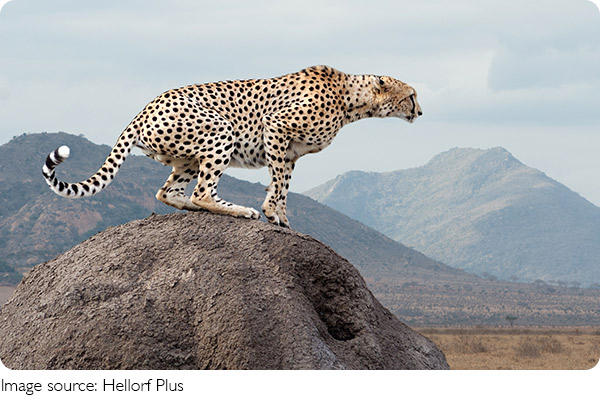
You'd expect the sprint to be the challenge. Instead, the real skill is the stalk. Cheetahs typically close to within 60 to 100 feet of prey before launching, using tall grass and termite mounds for cover. A cub that bolts too early burns its only real advantage. Mothers reinforce this by freezing mid-approach, and the cubs learn to mirror her stillness.
The First Solo Elimination
By around 12 to 18 months, cubs start making their own attempts, usually on smaller prey like hares or young antelopes. Most early tries fail. A mother may still share kills during this stretch, which keeps the cubs fed while they build accuracy. The transition is gradual, not a single clean break.
What the Mother Actually Teaches
Here's the part that surprises people. Cheetah mothers don't demonstrate a full hunt in front of their cubs. They bring prey back and let the cubs work it out, correcting through presence rather than instruction. A mother's main job is to keep the litter alive long enough to practice. Cheetah cubs face high mortality, and in some regions fewer than one in ten reach independence, so every month of protected learning counts.
When the Lessons End
Independence arrives somewhere between 18 and 24 months. By then a young cheetah can stalk, sprint, and take down its own meal. Females tend to settle into their own territory sooner; males often stay with their littermates for a while before setting out on their own.
The next time you see a cheetah at full sprint, remember what came before it. That speed was built through a year of failed pounces, live practice prey, and a mother who let her cubs get it wrong.