Koi Color: Born or Grown?

Claire
| 26-11-2026
 · Animal team
You see a koi pond with a fish so orange it looks painted, and it's easy to assume the color was added somewhere along the way.
It wasn't. A koi's base colors are locked in before it ever hatches, written into its genes. What you can change is how strongly those colors show up.
The Genes Decide First
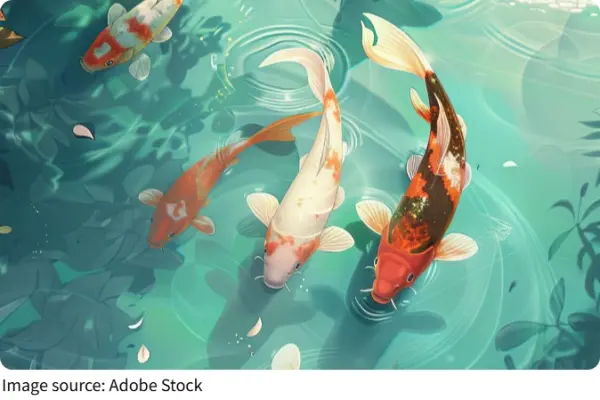
Koi color comes from pigment cells called chromatophores, and the mix of them is inherited from the parent fish. A Kohaku, the white fish with red markings, carries specific gene combinations that produce those two colors and nothing else. Breeders pair selected parents precisely because the offspring's color pattern is largely predictable, even if the exact placement of red patches isn't. So no, you can't turn a plain grey fish orange by changing its diet.
Fry Shift as They Grow
Here's where it gets less tidy. A koi fry looks almost nothing like the mature form it becomes. Many start out dark or dull and only reveal their real pattern over the first few months. Some reds fade, sumi (the black markings) can appear late, and a fish that looks promising at two inches may lose its markings by the time it hits six. Breeders cull heavily during this window for exactly that reason. The color was always there in the genes, but it takes time to express.
Water and Light Do the Rest
Once the genetics are set, the environment controls how vivid the fish looks. Hard water with a stable pH and good mineral content tends to hold reds and whites better. Soft, acidic water can dull them over months. Sunlight matters too. A pond in full shade often produces fish with weaker beni (red) than one that gets several hours of direct sun a day. Keep the water clean and the parameters steady, and the colors you were given stay sharp.
Food Helps, but Only so Much
Color-enhancing foods containing spirulina or astaxanthin can deepen reds and oranges, and many hobbyists feed them through summer. But they don't create new colors. Feed a color food to a white fish, and it stays white. What the food does is support pigment the fish already carries, so a genetically strong Kohaku fed well looks better than the same fish on plain pellets. Think of it as maintenance, not a rewrite.
What You Actually Control
You can't pick the genes. You can pick the fish. Buy from a breeder who shows you the parents, and look at the fish in natural light rather than under a shop lamp. Ask how old it is, since a young koi still has pattern changes ahead. Then give it clean water, steady temperature, and a decent diet. That's the full extent of your influence, and it's plenty to keep a good fish looking good.
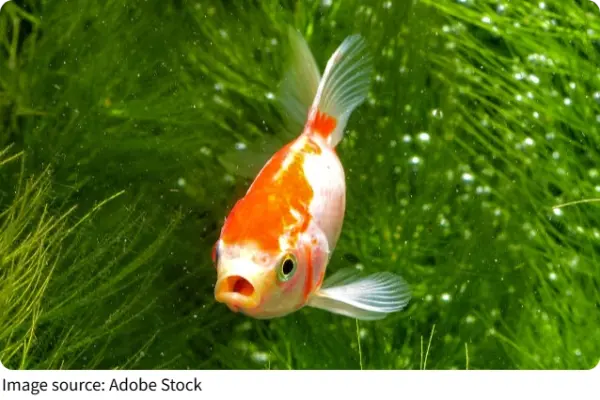
So next time you're standing at a pond, remember the color was decided long before the fish reached the water. Your job is just to keep it bright. Pick well, keep the water right, and let the genes do their part.