Wildlife Under Threat!

Caroll Alvarado
| 20-11-2026
 · Animal team
A disease outbreak can affect far more than the animals initially identified as its main hosts. Since the spread of the H5N1 bird flu strain, wildlife populations across several regions have experienced significant losses. Seabirds and marine mammals have been among the most affected, with some breeding colonies suffering particularly severe declines.
Scientists are now examining whether the outbreak could push more species closer to extinction. However, determining its full impact is difficult. Population surveys are incomplete, some animals travel across enormous distances, and conservation assessments often take years to reflect new threats.
A Widespread Disease Outbreak
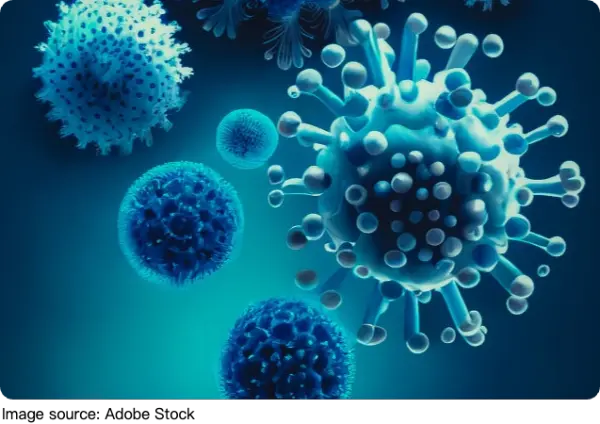
The current wave of highly infectious avian influenza, known as H5N1, began spreading through the Northern Hemisphere in 2021 before reaching wildlife populations in other parts of the world. One of the most serious examples emerged on South Georgia, a sub-Antarctic island. Brown skuas arriving in 2023 carried the virus, which subsequently spread among southern elephant seals gathering along the coast.
By 2025, more than 53,000 female southern elephant seals had died on the island. The scale of the loss was especially concerning because South Georgia supports more than half of the species' global breeding population. In some South Atlantic colonies, reported losses also included more than 90% of newborn pups and approximately half of the breeding females.
Why the Conservation List Matters
The International Union for Conservation of Nature (IUCN) maintains the Red List, a global assessment of species and their risk of extinction. In April 2026, southern elephant seals received a higher risk classification, moving from Least Concern to Vulnerable. This marked the first time a species had its conservation status raised specifically because of H5N1. The decision demonstrated how disease outbreaks can influence the long-term outlook for wildlife.
However, the southern elephant seal remains the only seal or bird whose conservation classification has been changed explicitly because of this outbreak, despite the substantial losses reported elsewhere. The Red List has assessed nearly 176,000 species and aims to cover 260,000 by 2030, alongside 142,000 reassessments.
Bird Populations Under Review
BirdLife International, which assesses the conservation status of more than 11,000 bird species, is examining four species whose outlook may have been affected by H5N1: the great skua, northern gannet, Peruvian pelican and Humboldt penguin. The figures from several locations are concerning. In Scotland, monitored great skua colonies declined by 76% between 2021 and 2023. Two major northern gannet breeding sites also recorded substantial reductions: 43% at Bass Rock between 2021 and 2024, and 47% at Grassholm between 2015 and 2024.
However, local figures do not always represent the condition of an entire species. When researchers examined the wider northeastern Atlantic northern gannet population, they found a decline of no more than 17% between 2013 and 2024. This broader assessment shows why scientists need reliable information from multiple locations before deciding whether a species deserves a higher risk classification.
Why Mass Losses Do Not Always Mean Extinction
A large number of reported losses does not automatically mean a species is approaching extinction. Scientists must consider population size, breeding patterns, geographic distribution and how quickly a species can recover. Long-lived seabirds and marine mammals that reproduce slowly can be especially vulnerable when substantial numbers of breeding individuals are lost. Their populations may take many years to rebuild.
Other species may be better able to recover, depending on their population size and reproductive patterns. Antarctic fur seals offer an example: research indicates that males were affected more severely than breeding females, partly because the two groups spend different amounts of time in locations where exposure is more likely.
Preparing for Further Risks
Australia is receiving particular attention because it has several bird species with very limited distributions. The orange-bellied parrot and regent honeyeater are among those that conservationists are watching closely. H5N1 was detected on mainland Australia in June 2026. Fur seals and dolphins in Australian waters have also been affected, while the virus was detected on Macquarie Island in October.
Measures have already been introduced to reduce risks to vulnerable wildlife. Around 5,000 little penguins on Phillip Island received vaccinations against H5N1. Scientists are also concerned about southern elephant seals on Macquarie Island, where the Australian Antarctic Division announced plans in August to evacuate its research station in anticipation of possible large-scale losses.

Waiting for an official change in conservation status should not be the only reason to take action. Reducing existing pressures, improving wildlife monitoring and responding to emerging threats can help protect vulnerable populations before their situation becomes more severe.