Cockatiel Care Tips

Marcus
| 17-11-2026
 · Animal team
Cockatiels are popular pet birds known for their distinctive crests, gentle personalities, and attractive appearance. Although they are relatively sturdy, they still require suitable living conditions, nutritious food, regular cleaning, and attention year-round.
Whether you are welcoming your first cockatiel or already have one at home, understanding its daily needs can make a real difference. With a comfortable environment and consistent care, these birds can remain active companions for many years.

Choose a Suitable Cage
A comfortable cage is essential for cockatiel care. Metal cages are commonly recommended because they are sturdy and can withstand regular use. The enclosure should provide enough room for birds to stand, move around, stretch their wings, and rest comfortably.
Perches are another important feature. Hard wooden perches or suitable natural branches provide places for cockatiels to stand. A perch with a diameter of approximately 2 centimeters is mentioned in traditional care recommendations.
Food and water containers should be firmly attached to the cage. Unstable containers can easily be knocked over during daily activity. It is also helpful to place the cage in a relatively quiet area where the birds can become familiar with their surroundings.
Keep the Living Area Clean
Regular cleaning helps create a comfortable environment. Food containers, water dishes, and cage accessories should be checked frequently to prevent dirt and leftover food from accumulating.
Provide fresh drinking water every day. Wash the water container daily or every other day, and replace the water regularly. Fresh vegetables can also be offered once a day or every other day as part of the feeding routine.
If the cage has a sand tray, clean it once or twice a week. Food containers, water dishes, and other equipment should be thoroughly cleaned and disinfected once a month.
A regular cleaning schedule also makes it easier to notice changes in food consumption and daily activity.
Provide Balanced Food
Cockatiels need a variety of foods to meet their daily nutritional needs. Common seed foods include millet, broomcorn millet, barnyard grass seeds, rice, safflower seeds, and sunflower seeds.
A traditional seed mixture may contain 40% millet, 20% broomcorn millet, 10% rice, 20% safflower seeds, and 10% sunflower seeds. However, this mixture should not automatically be treated as a complete diet for every bird.
Fresh vegetables can also be included in their feeding routine. Serve them in clean containers and remove any uneaten portions before they spoil.
Some traditional feeding methods include egg millet with added vitamins and minerals. However, supplements should be chosen carefully. Too much of certain nutrients can be unsuitable, so consulting an avian veterinarian is a sensible way to develop an appropriate feeding plan.
Maintain Suitable Temperatures
Cockatiels benefit from a stable indoor environment. Seasonal temperature changes deserve particular attention, especially during spring, autumn, and winter.
Traditional care recommendations suggest keeping indoor temperatures at or above 16°C during winter. When summer temperatures rise above 30°C, better ventilation becomes important.
Good airflow helps prevent the living area from becoming excessively warm. However, avoid placing the cage where strong drafts can make the birds uncomfortable.
Observe your cockatiel during sudden changes in weather. Unusual inactivity or changes in eating habits may indicate that something needs attention.
Understand Their Long Lifespan
Keeping a cockatiel is a long-term responsibility. These birds have an average lifespan of approximately 18 years, and some may live beyond 20 years.
Owners should therefore consider their long-term needs before bringing one home. Regular feeding, cage maintenance, suitable temperatures, and veterinary care all become part of everyday life.
A peaceful and predictable environment can also help cockatiels feel more comfortable. Avoid unnecessary disturbances and maintain consistent daily routines.
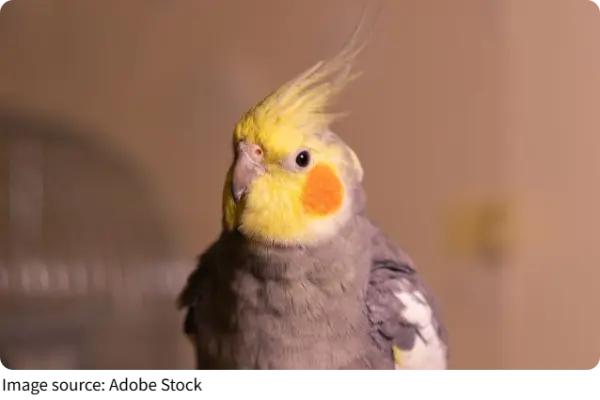
Cockatiels can be rewarding companions, but their well-being depends on thoughtful and consistent care. A suitable cage, fresh water, appropriate food, stable temperatures, and regular cleaning all contribute to a comfortable home.
By understanding these basic needs and incorporating them into everyday life, owners can provide a supportive environment for their feathered companions. Patience, observation, and responsible daily habits are the foundations of good cockatiel care.