Corgi Personality Secrets

Maya
| 18-11-2026
 · Animal team
Corgis are known for their short legs, cheerful expressions, and lively personalities. However, anyone who shares a home with one may notice another characteristic: stubbornness.
They might ignore familiar commands, choose their own walking direction, or walk away when they are not interested in an activity. Does this mean they have difficult personalities? Not necessarily.
Their behavior often reflects independence, intelligence, and personal preferences. Understanding these qualities can help owners communicate with their corgis and enjoy a closer relationship.
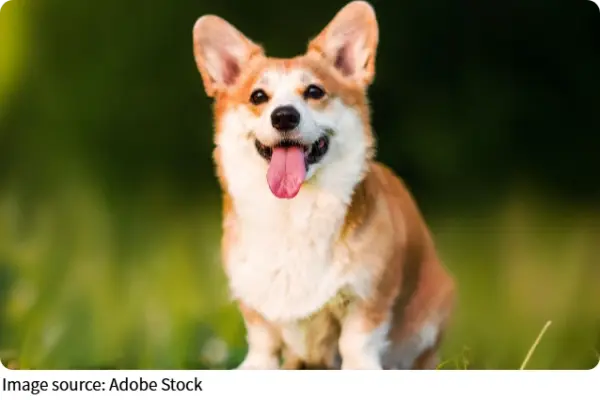
Independent Personalities
One reason corgis sometimes seem difficult to train is their independent attitude. They do not always respond immediately, especially when something interesting catches their attention.
For example, you might ask your corgi to sit, but it decides to lie down instead. During a walk, it may pull toward an interesting patch of grass rather than follow your direction.
These behaviors do not automatically mean your dog is being disobedient. Corgis often enjoy making their own choices. Instead of expecting instant cooperation, give them clear instructions and enough time to respond.
Consistency is important. Use the same simple words for familiar commands and reward the behavior you want to encourage.
Intelligence and Clever Habits
Corgis are intelligent dogs that can quickly learn routines and recognize patterns. They may discover which behaviors attract attention or lead to a favorite reward.
For instance, a corgi might slow down when its owner encourages it to walk faster. Another may sit beside the treat container whenever it wants a snack. Some even develop amusing habits during training, such as offering the wrong paw when asked to shake hands.
These actions often reflect curiosity and learning. Dogs notice how people respond to their behavior, and repeated experiences can shape their habits.
The best approach is to make good behavior rewarding. Use small treats, favorite toys, or enthusiastic praise. Keep training sessions short, practice one command at a time, and finish with a positive experience.
Independent Does Not Mean Unaffectionate
Some corgis enjoy spending time near their owners, while others prefer having moments to themselves. A dog might happily play with a toy but move away when someone interrupts.
This independence should not automatically be mistaken for a lack of affection.
Corgis also have individual preferences about physical contact. One may enjoy gentle petting, while another prefers sitting nearby without being picked up. Paying attention to their reactions helps owners understand what makes them comfortable.
If a corgi becomes uncomfortable when someone approaches its favorite toy or food, avoid taking things away suddenly. Respecting its preferences and practicing calm exchanges can help build trust.
Four Ways to Encourage Better Behavior
Use Rewards Instead of Pressure
When teaching your corgi to come when called, crouch down, use a cheerful voice, and show it a small reward. Praise it when it approaches. For crate training, placing a treat inside can encourage it to enter voluntarily.
Redirect Unwanted Behavior
If your corgi becomes interested in the trash container, redirect its attention toward a suitable toy. Once it moves away, secure the unwanted item. This helps prevent repeated unwanted habits.
Provide Regular Exercise
Corgis have plenty of energy. Daily walks, gentle games of fetch, and interactive play can help them stay active and reduce restlessness at home. Hiding a favorite toy for your dog to find is another enjoyable activity.
Respect Individual Preferences
Avoid forcing your corgi into activities it clearly dislikes. If it moves away during petting, give it space. When introducing a new sleeping area, placing a familiar blanket inside may help it feel more comfortable.
Understanding Common Behavior Problems
If a corgi repeatedly urinates indoors, return to consistent toilet training. Watch for signs that it needs to use its designated area and reward it immediately when it succeeds. Avoid punishment after accidents.
If your dog repeatedly performs the wrong action during training, simplify the lesson. Practice an easier command first, reward successful attempts, and gradually introduce the more difficult action.
Patience and repetition are more productive than turning every training session into a struggle.
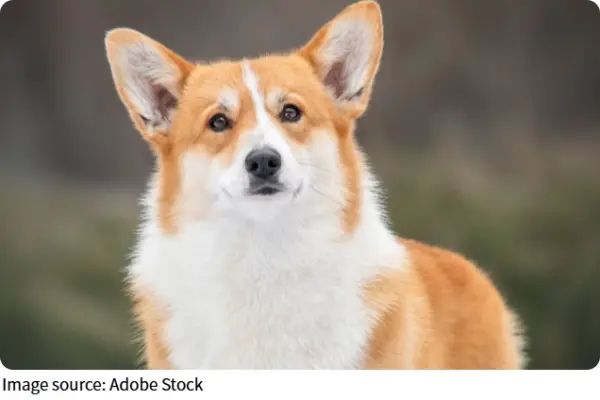
A corgi's stubborn moments are often connected to intelligence, independence, energy, and individual preferences. These qualities do not make it a difficult companion.
Instead of expecting immediate obedience, create positive routines, provide enough activity, and reward cooperation. With patience and consistent guidance, owners can better understand their corgis and build a stronger, happier relationship with these lively companions.