The Cat's Tongue

Anika
| 19-11-2026
 · Animal team
A cat's tongue may look like an ordinary body part, but it has several fascinating features. Unlike the smooth surface of a human tongue, a cat's tongue feels rough, almost like a tiny brush.
This unusual texture helps cats groom their coats, drink water, explore food, and interact with their surroundings. Although it is small, the tongue plays an important role in a cat's everyday life.
A Unique and Rough Surface
The first thing anyone notices when a cat licks their hand is a scratchy sensation much like fine sandpaper. That rasp comes from hundreds of tiny, backward-facing spines called papillae covering the center of the tongue. Each spine is made of keratin—the same tough protein found in human fingernails and cat claws—and curves slightly backward like a miniature hook.
They are firm and slightly hooked, giving the tongue its distinctive texture. Their arrangement makes the tongue work like a small grooming brush. The projections catch loose hair and help remove small particles from the coat. They also help move food toward the mouth when a cat eats.
Helping Cats Groom Their Coats
Grooming is one of the most important uses of a cat's tongue. Cats spend considerable time licking their fur to keep their coats clean and tidy.
As the tongue sweeps across the coat, its hooked spines untangle knots, lift away shed fur and dust, and spread natural skin oils from root to tip. In warm weather, the saliva left behind also evaporates to help cool the body down. Because those backward hooks push fur toward the throat, swallowed strands can clump together into hairballs—which is why brushing your cat weekly, especially long-haired breeds, keeps both their coat and stomach comfortable.
The Interesting Way Cats Drink
Have you ever watched a cat drink water? Its technique is quite different from the way people use their tongues.
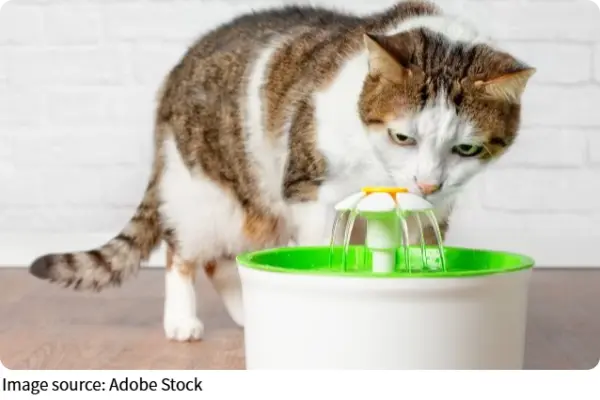
Instead of cupping water like a spoon, a cat taps the surface lightly with the tip of its tongue and pulls upward at high speed. Surface tension draws a slender column of water into the air just long enough for the cat to snap its jaws shut and catch the sip—keeping its whiskers and chin completely dry. Providing fresh water in a clean bowl is an easy way to support healthy drinking habits. Owners should also pay attention to noticeable changes in their pets' drinking routines.
Exploring Food Through Taste
A cat's tongue is essential when eating. It contains taste receptors that help cats recognize different food flavors.
Unlike humans, cats lack functional receptors for sweetness, so sugary treats hold zero appeal for them. Instead, their taste buds focus sharply on savory amino acids and fats, while the tongue's rough surface gauges temperature and grips kibble or meaty chunks cleanly. That sensitivity to texture and warmth explains why a picky cat may reject cold food straight from the refrigerator yet eagerly finish the exact same meal warmed to room temperature. Owners should choose balanced cat food that suits their pets' needs rather than relying entirely on flavor preferences.
A Tool for Social Interaction
A cat's tongue also plays a part in social behavior. When a cat gently licks its owner's hand, it may be showing familiarity, affection, or a desire to interact.
Bonded cats also groom one another around the head and ears—a ritual called allogrooming that reinforces trust and shared scent. By contrast, a quick flick of the tongue across the nose or lips often signals mild stress or uncertainty, so always read flattened ears, a twitching tail, or a tense posture alongside that tiny gesture.
Final Thoughts
What feels like a simple scratchy kiss on your hand is actually one of nature's most finely tuned multi-tools—part comb, part water pump, and part social bond. Paying attention to how your cat grooms, drinks, and eats gives you an easy window into its comfort and health every single day.
What Makes a Cat’s Tongue So Unique? Here's the Science!
Video by The Everything Hub