Ferret Care Essentials

Kai
| 16-11-2026
 · Animal team
Ferrets are playful, intelligent, and naturally curious pets. Their energetic personalities make them interesting companions, but caring for them requires preparation and responsibility.
They need a comfortable living space, suitable food, daily exercise, and regular attention. Whether you are considering getting a ferret or already have one, understanding its basic needs can help you provide a healthy and enjoyable home.
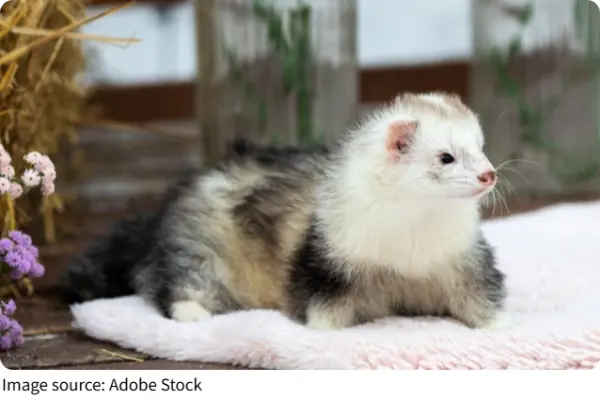
Prepare a Comfortable Living Space
A suitable living environment is essential for ferret care. These animals enjoy climbing, exploring, and discovering new places, so their enclosure should provide enough room for movement.
A large, sturdy cage with at least two levels is a practical choice. Secure doors help prevent accidental escapes, while different levels give your pet more opportunities to explore.
Provide soft bedding, such as washable towels or fabric, to create a comfortable resting area. Keep the enclosure dry, clean, and free from objects that could cause injuries.
Choose Suitable Food and Water
Ferrets are carnivorous animals, meaning their nutritional needs differ from those of many other household pets. Their meals should contain high-quality animal protein.
Specially formulated ferret food is a convenient option. If you are unsure about ingredients, feeding amounts, or meal schedules, consult a veterinarian for suitable recommendations.
Avoid offering ordinary human snacks. Chocolate, grapes, and nuts are among the foods that may be harmful to ferrets. Always provide fresh drinking water and maintain a consistent feeding routine.
Maintain a Comfortable Temperature
Ferrets are sensitive to temperature changes. Their recommended environmental temperature is approximately 18–24°C (64–75°F).
Place the enclosure away from direct sunlight and areas that become excessively warm or cold. During cooler periods, provide soft blankets and a comfortable sleeping space.
Pay attention to indoor temperatures throughout the day, especially when seasons change. A stable environment helps your pet remain comfortable.
Provide Daily Exercise and Activities
Ferrets are energetic animals that need regular opportunities to move and explore. Spending too much time inside an enclosure without stimulation may leave them bored.
Set aside supervised playtime in a secure indoor area. Tunnels, suitable toys, and simple games can encourage movement and satisfy their curiosity.
You can occasionally change the arrangement of toys to introduce new experiences. Always supervise exploration and prevent access to narrow gaps or unsafe areas.
Maintain Good Hygiene
Keeping your ferret's environment clean helps create a comfortable home. Regularly remove waste, clean the enclosure, and replace dirty bedding.
Wash towels and blankets frequently to prevent unpleasant odors. Your pet's coat also needs attention. Gentle brushing helps remove loose hair and small tangles.
Use an appropriate grooming tool and keep each session relaxed. Regular cleaning also makes it easier to notice changes in your pet's appearance or habits.
Arrange Regular Veterinary Visits
Routine veterinary examinations help monitor your ferret's general health. A veterinarian experienced with ferrets can assess its condition and recommend suitable preventive care.
Ask about vaccination schedules, nutrition, and other health requirements. If your pet develops unusual behavior or noticeable changes in appetite, seek professional advice rather than waiting for the next scheduled visit.
Build Trust Through Interaction
Ferrets benefit from regular social interaction. Gentle play, calm handling, and daily attention help them become familiar with their owners.
Give your pet time to adjust to new experiences instead of forcing interaction. If you keep multiple ferrets, observe how they behave together and ensure each has access to food, water, and comfortable resting spaces.
Make Household Safety a Priority
Curious ferrets can easily explore places that are difficult to access. Before allowing yours to move around, inspect the room carefully.
Secure electrical cords, remove small objects that could be swallowed, and keep household chemicals out of reach. Check gaps behind furniture and close cupboards or storage spaces that may contain hazards.
Always supervise playtime and make sure doors and windows are secure.

Ferret care involves much more than providing food and a comfortable cage. These active companions need suitable nutrition, regular exercise, clean surroundings, veterinary attention, and meaningful interaction.
Before welcoming a ferret into your home, consider whether you have enough time and resources to meet its needs. With patience, preparation, and consistent daily care, you can create a safe and comfortable environment where your curious companion can thrive.