Madagascar's Bats!

Ethan Sullivan
| 16-11-2026
 · Animal team
Madagascar's largest fruit bats may be getting smaller, according to research comparing historical museum specimens with more recent examples. Scientists believe selective hunting could be one contributing factor.
The finding raises questions about how human activities can influence wildlife over generations and potentially affect the natural environment.
A Change in Bat Size
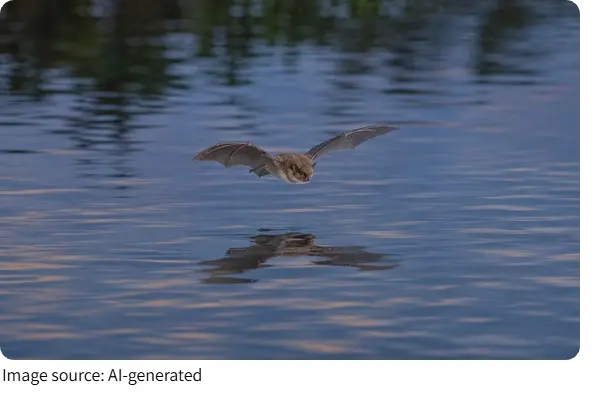
The Malagasy flying fox (Pteropus rufus) is the largest fruit bat in Madagascar. It feeds on fruit and nectar and helps forests through seed dispersal and pollination. Researchers Emily Cornelius Ruhs and Steve Goodman noticed that living bats appeared smaller than older specimens preserved in museum collections. To investigate, they compared physical measurements from specimens collected over approximately 150 years.
What the Research Found
The researchers examined 121 specimens, focusing on skull dimensions and teeth. Their analysis revealed a significant reduction in skull size among bats collected since 1980. However, tooth measurements did not show the same pattern. The researchers suggest that selective hunting may help explain the difference. Larger bats may be more frequently targeted because they provide more meat. Over time, this could affect which physical characteristics become common within a population.
However, the study does not prove that hunting is the only cause. Environmental conditions, food availability, and other biological factors may also contribute.
Why Size Matters
When larger individuals are repeatedly removed from a population, smaller individuals may become more common over generations. Scientists describe this as selective pressure, where certain characteristics become more or less frequent because of differences in survival and reproduction.
The Malagasy flying fox also reproduces relatively slowly. It takes more than two years to reach sexual maturity, has a gestation period longer than six months, and generally produces one pup at a time. This can make population recovery challenging when mature individuals are lost.
The Importance of Fruit Bats
Fruit bats contribute to forest health by carrying seeds away from the trees where they feed. This helps plants spread and supports natural forest regeneration. A reduction in body size could potentially affect the types of fruit bats can consume and the seeds they transport. Researchers have raised this possibility, although the ecological consequences have not yet been established.
Their role in pollination also makes them valuable to forest ecosystems. Changes in bat populations could therefore have effects beyond the animals themselves.
Why More Research Is Needed
Historical museum collections provide an important way to study gradual changes that might otherwise go unnoticed. By comparing older specimens with living populations, scientists can examine physical differences across long periods. Further research could establish whether skull size continues to decline and whether similar patterns occur in other populations. Studying habitat conditions, food sources, and reproductive patterns would also help clarify the causes.
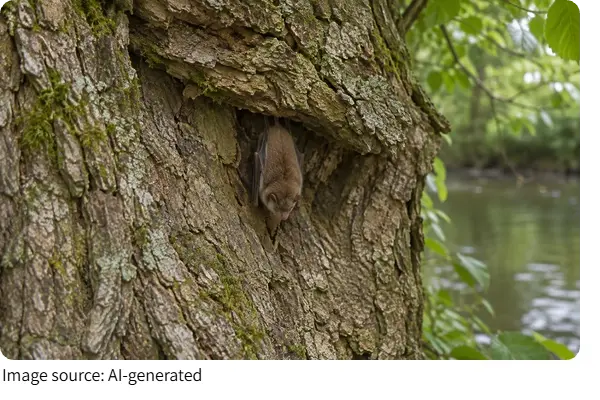
The possible reduction in Madagascar's largest fruit bats highlights how human activity may influence wildlife over generations. Although selective hunting is a suspected factor, researchers need more evidence to understand the full picture. Monitoring physical characteristics alongside population numbers can help scientists identify long-term changes. Protecting fruit bats also supports the natural processes that allow forests to regenerate and remain healthy.