Secrets of Lion Manes
Amara
| 16-11-2026
 · Animal team
A male lion's mane is one of the most recognizable features in the animal kingdom. Its thick hair frames the head, neck, and chest, making the animal appear larger and more imposing. However, the mane is more than a striking physical characteristic.
Its development, thickness, and color communicate important information to other lions. It can influence how rivals assess one another and how females evaluate potential mates. Interestingly, this impressive feature also has a downside: maintaining a thick, dark mane can make life more difficult in the African heat.

When Male Lions Begin Growing Their Manes
A male lion does not develop a full mane immediately after birth. The hair usually begins to appear when the animal is around two years old, marking the onset of maturity. As the lion grows older, the mane becomes fuller and more noticeable. This development also coincides with an important change in the animal's social life. Young males eventually have to leave their birth pride.
The Mane Makes a Lion Look More Intimidating
One important role of the mane is intimidation. A male with thick hair around his head and upper body can appear considerably larger than one with a shorter, thinner mane. This visual effect is similar to what happens when a domestic cat arches its back and raises its fur in response to fear or threat. Its expanded appearance makes it seem more formidable to a potential opponent.
For male lions, this can be particularly useful when competing with other males. A large, impressive mane may discourage a rival from approaching or initiating a confrontation. Avoiding unnecessary fights can benefit both animals because physical contests can result in serious injuries.
Dark Manes Communicate Health and Strength
The color of a lion's mane can reveal more than its appearance. Research discussed in the original Thomson Safaris article indicates that darker, fuller manes are associated with good physical condition and higher testosterone levels. A dark mane can therefore serve as a signal to other lions. Potential rivals may interpret it as an indication that its owner is mature, healthy, and capable of defending himself.
Mane length also carries information. A well-developed mane can indicate previous fighting success, as confrontations between males may damage the hair. A shorter or patchier mane can sometimes be associated with illness or recent injuries.
Female Lions Pay Attention to Mane Color
A male lion's appearance can also influence mating opportunities. Females tend to prefer males with darker manes, which researchers associate with maturity and better physical condition. This preference has an important biological connection. A healthy male may have a better chance of maintaining control of a pride, defending its territory, and protecting its offspring against competing males.
Dark coloration is therefore more than a decorative feature. It can communicate qualities that matter when females select potential partners. For males, an impressive mane may provide an advantage in both competition and reproduction.
Dark Manes Come With a Disadvantage
Although a thick, dark mane can provide social advantages, it also creates a physical challenge. Lions live in environments where temperatures can become extremely high, and additional hair around the head and upper body can make it harder for them to dissipate body heat. Dark manes absorb more solar energy than lighter ones, potentially increasing the animal's heat burden. Research has found that male lions with darker manes can have higher surface temperatures than those with lighter hair.
The disadvantage can become more significant during hot periods. Excessive heat may affect feeding activity and reproductive health, making the impressive appearance costly to maintain. This creates an interesting balance: a feature that communicates strength to other lions can also make its owner more vulnerable to environmental conditions.
Climate Influences Mane Thickness and Color
Temperature helps explain why male lions do not all have identical manes. Lions living in warmer environments generally tend to have shorter or lighter hair, while those in cooler conditions may develop thicker manes. Climate can also influence captive lions. Individuals living in colder northern regions may grow fuller coats than lions living in warmer environments.
A male lion's mane serves several purposes beyond giving the animal its distinctive appearance. Its size and color can influence how rivals assess its strength and how females evaluate potential mates. Darker, fuller manes are associated with maturity and good physical condition, while their thickness and color can also increase the burden of living in hot environments.
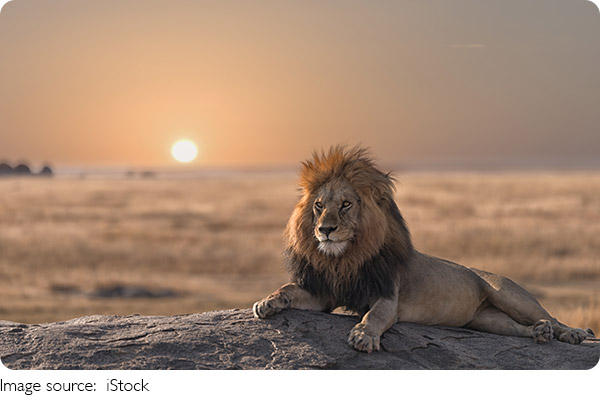
This combination of social advantages and environmental costs helps explain why lion manes vary so much in appearance. What looks like a natural crown is also an important part of how male lions communicate with one another.