Iceland's Wildest Hikes

Kenji
| 12-11-2026
 · Travel team
Iceland is one of those places where hiking rarely means following an ordinary mountain path. Trails cross lava fields, steaming valleys, black deserts, waterfalls and glacier-fed rivers, often within the same journey.
The country offers routes for almost every level, but weather can change quickly, so even short walks require preparation.
Laugavegur For A Full Trek
The Laugavegur Trail is Iceland’s classic long-distance hike.
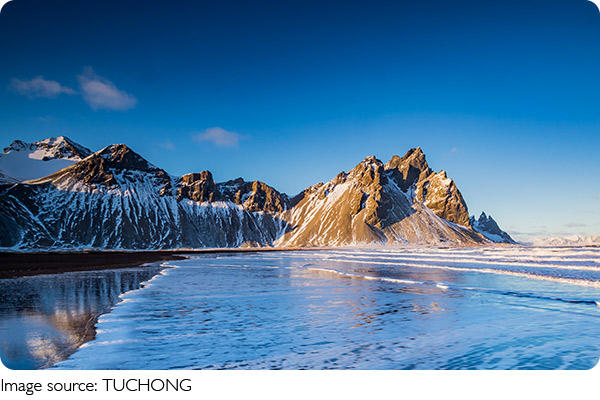
Running for about 54–55 km between Landmannalaugar and Þórsmörk, it normally takes four days. The scenery changes constantly, moving from colorful rhyolite mountains and geothermal areas to black volcanic plains and green valleys.
Most hikers stay in huts or campsites. In 2026, a hut bed cost about €100 per night, while camping was considerably cheaper.
Highland buses connect the trailheads with Reykjavík, making it possible to complete the route without renting a 4x4.
Laugavegur
Fimmvörðuháls For A Challenge
For hikers wanting a demanding single-day route, Fimmvörðuháls is one of the strongest options.
The trail runs for around 25 km between Skógar and Þórsmörk, climbing past waterfalls before crossing volcanic terrain between two glaciers.
The route usually takes eight to twelve hours and reaches elevations close to 1,000 meters.
Conditions can become dangerous very quickly, especially in fog, strong wind or lingering snow, so this is a route to attempt only when forecasts are favorable.
Glymur For A Shorter Adventure
Glymur offers dramatic scenery without requiring several days in the Highlands.
The approximately 7 km loop leads through a narrow canyon toward one of Iceland’s tallest waterfalls.
The hike takes around three to four hours and includes steep sections, river crossings and exposed viewpoints.
There is no major entrance fee, making it one of the more budget-friendly hiking experiences close to Reykjavík.
Skaftafell For Glacier Views
Skaftafell provides some of Iceland’s most accessible hiking.
The popular Svartifoss circuit is about 5.8 km and can be completed in around two hours. It passes the famous waterfall framed by dark basalt columns and continues through open landscapes with mountain views.
More experienced walkers can attempt the much longer Kristínartindar route, around 18 km and six to eight hours.
Parking and transport costs are usually the main expenses, as the trails themselves are free.
Reykjadalur For Warm Water
Reykjadalur is ideal for travelers who want something easier.
The roughly 7 km return walk starts near Hveragerði and climbs through a geothermal valley toward a naturally warm river where swimming is possible.
The walk usually takes two to three hours including time in the water.
Access is free, although parking may cost several euros depending on duration.
Summer Opens The Highlands
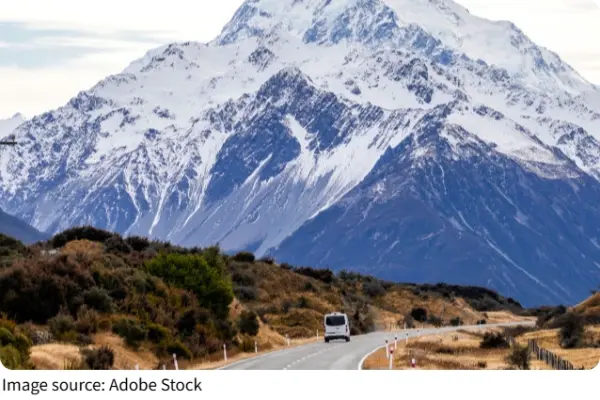
July and August offer the most reliable conditions for Iceland’s highland trails.
Lower routes such as Reykjadalur or Skaftafell can remain accessible much longer, depending on weather.
Iceland’s biggest attraction is variety. A single trip can combine hot springs, waterfalls, glaciers and volcanic landscapes, making even relatively short hikes feel completely different from one another.