Transparent Jellyfish Bodies

Margot
| 09-11-2026
 · Animal team
Jellyfish are fascinating ocean creatures with soft, umbrella-shaped bodies that often appear almost invisible in the water. Their transparent appearance is not simply a beautiful feature.
It provides several advantages that help them adapt to ocean life. From avoiding attention to moving through the water, their see-through bodies play an important role in their survival.
Natural Camouflage
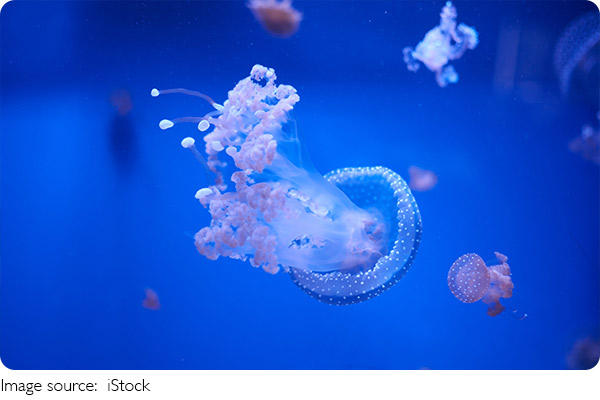
One major advantage of transparency is camouflage. Ocean water can make it difficult to distinguish objects, especially when sunlight creates changing patterns beneath the surface. Because much of a jellyfish's body allows light to pass through, other marine creatures may find it difficult to notice one.
This natural disguise can help jellyfish avoid detection by potential predators. Rather than depending on bright colors or complicated patterns, they blend into their surroundings.
Transparency is especially useful when jellyfish drift slowly with ocean currents. Their low visibility allows them to remain less noticeable without constantly moving.
An Advantage When Finding Food
Transparency may also help jellyfish when obtaining food. When their bodies are difficult to see, nearby small marine creatures may have less time to notice their presence.
Jellyfish have umbrella-shaped bodies and long tentacles that extend into the surrounding water. These tentacles help them interact with nearby food sources. Their less noticeable appearance can provide an advantage when potential food comes within reach.
Their transparent bodies and tentacles work together as part of their natural way of living. Their appearance is therefore more than a visual feature; it is connected to how they interact with their environment.
A Unique Body Structure
The transparency of jellyfish is closely related to their unusual body structure. Their umbrella-shaped bodies have two main layers of cells, with a jelly-like material called mesoglea between them.
This middle layer gives the body its soft, flexible appearance and contributes to its transparent quality. Unlike animals with thick, solid bodies, jellyfish have a simple structure that allows light to pass through much of their bodies.
Mesoglea also contributes to buoyancy, helping jellyfish remain suspended in the water. This means they do not need to swim continuously to stay in their ocean environment.
Flexible Movement
Jellyfish move by contracting and relaxing their umbrella-shaped bodies. These movements push water away and help propel them forward. This process is known as jet propulsion.
Ocean currents also carry many jellyfish through the water, while their own movements help them adjust their position and direction.
Their soft bodies are well suited to this lifestyle. The jelly-like middle layer provides flexibility, allowing the umbrella to change shape during movement. This combination of body structure and movement helps them travel through their aquatic surroundings.
Transparency and Natural Light
Light changes as it travels through the ocean. Its intensity depends on water depth, weather, and surrounding conditions. A transparent body allows much of the available light to pass through, making a jellyfish less noticeable against the surrounding water.
Some jellyfish and other gelatinous marine creatures can also produce their own light through a process called bioluminescence. This can create beautiful glowing effects in darker ocean environments.
However, transparency and light production are different features. Not every jellyfish can glow, and this ability varies among species.
More Than a Beautiful Appearance
A jellyfish may look delicate, but its body combines several useful features. Transparency can reduce its visibility, the flexible umbrella supports movement, and the jelly-like middle layer contributes to buoyancy.
These characteristics work together to help jellyfish adapt to life in the ocean. Different species may have different appearances and abilities, but their transparent bodies remain one of their most recognizable features.
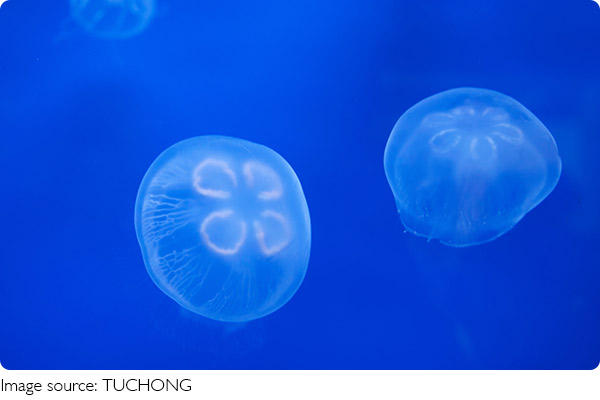
The transparent body of a jellyfish is much more than an unusual appearance. It provides natural camouflage, supports its feeding, and forms part of a body structure suited to ocean life.
By combining transparency, flexibility, and a distinctive umbrella shape, jellyfish have developed an interesting way of adapting to their surroundings. Their almost invisible appearance reminds us that even the simplest-looking features in nature can serve important purposes.