Cities Built for All Life

Mariana Silva
| 10-11-2026
 · Animal team
A fox crossing a quiet street, birds nesting beneath a bridge, or butterflies visiting a rooftop garden might seem like small moments. Yet they reveal something important about cities: even in places dominated by buildings and roads, wildlife continues to find ways to survive.
As urban areas expand, natural habitats can become smaller and more fragmented, bringing people and animals into closer contact. Future cities need to do more than add decorative greenery. They must protect functioning ecosystems, reduce harmful encounters, and create spaces where human needs and biodiversity can be considered together.
Build Nature Into the City
Wildlife-friendly planning begins with protecting the natural spaces that already exist.
Wetlands, woodlands, rivers, and patches of native vegetation provide food, shelter, and breeding areas for different species. Connecting these habitats through green corridors can also help some animals move across urban landscapes.
The design of those connections matters. A narrow path full of grass may look green but offer little protection to wildlife. Wider, continuous areas with suitable vegetation are often more useful, depending on the species they are intended to support.
Parks, street trees, rain gardens, and green roofs can contribute to urban biodiversity, particularly when they contain native plants and varied habitats.
Rather than treating greenery as decoration, planners can make it part of the city's essential infrastructure.
Make Roads and Buildings Safer
Roads and buildings present serious hazards to urban wildlife.
Busy roads can divide habitats and expose animals to vehicle collisions. In suitable locations, wildlife underpasses, overpasses, and carefully designed fencing can help reduce these risks.
The effectiveness of these measures depends on local species, traffic patterns, and proper maintenance.
Buildings create another challenge. Birds may collide with transparent or reflective glass because they cannot recognize it as a barrier.
Bird-friendly glass treatments, visible patterns, and appropriate lighting can reduce these collisions.
Reducing unnecessary nighttime lighting also benefits some nocturnal animals, although lighting decisions must still account for human safety and accessibility.
Prevent Conflicts Before They Begin
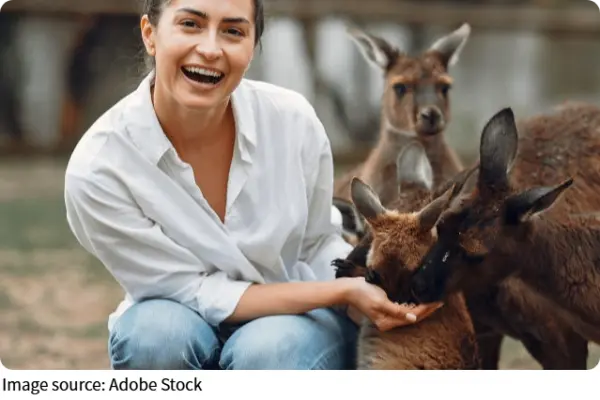
Living alongside wildlife does not mean encouraging animals to approach people.
Accessible rubbish, discarded food, and intentional feeding can attract animals into places where encounters become dangerous for both sides.
Secure waste containers, responsible food disposal, and clear public guidance help reduce these situations.
Urban planning should also consider where people and wildlife are most likely to meet. Buffer areas around sensitive habitats, appropriate signage, and carefully managed public access can limit disturbance.
Different animals require different responses. Measures suitable for birds or pollinators may not work for larger mammals.
The goal is not to eliminate wildlife from cities but to reduce avoidable risks while allowing animals to maintain natural behaviors.
Give Urban Wildlife Room to Thrive
Not every green space supports biodiversity equally.
A closely mown lawn may provide recreational space for people but offer relatively little food or shelter for many insects and birds.
Introducing native flowering plants, shrubs, and trees can create a wider range of habitats.
Where appropriate, leaving some leaf litter, fallen wood, or unmown vegetation can support insects and other small animals.
Water features can also be valuable, provided they are designed and maintained to avoid hazards and public-health problems.
These changes need not turn every park into dense wilderness. Thoughtful zoning can provide accessible paths and open recreational areas alongside less-disturbed habitat.
The result is a more varied landscape that serves both people and wildlife.
Put Biodiversity Into Planning Decisions
Wildlife-friendly cities require more than individual gardens or occasional planting projects.
Local governments can incorporate biodiversity into land-use plans, development assessments, and infrastructure design.
Protecting an existing wetland or mature woodland is often more ecologically valuable than attempting to replace it after construction.
Planners can also identify important habitats before approving new roads or buildings, helping avoid damage that would be difficult to reverse.
Community participation strengthens these efforts. Residents can support habitat restoration, join wildlife-monitoring projects, and learn how to respond safely to animals in their neighborhoods.
Effective policies should be guided by ecological evidence and adapted to local conditions rather than assuming every city needs the same solutions.
Create Healthier Neighborhoods for Everyone
Urban nature can benefit people as well as animals.
Trees provide shade and can help reduce local heat exposure. Wetlands and well-designed green spaces may also contribute to stormwater management, while access to nature can support recreation and mental well-being.
These benefits are not automatic. Poorly chosen plants, inadequate maintenance, or inaccessible green spaces can limit their value.
Equity matters too. Wildlife-friendly improvements should reach neighborhoods with limited greenery, not only wealthy districts or prominent city centers.
A successful approach balances habitat protection with safe walking routes, public transport, housing, and everyday community needs.
The aim is not to make cities less useful for people. It is to recognize that healthy urban ecosystems can be part of what makes a city more livable.
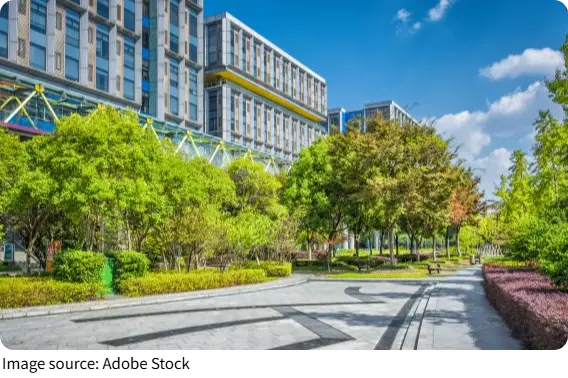
A city designed for wildlife is not a city without people. It is one that protects valuable habitats, connects green spaces, reduces preventable conflicts, and considers biodiversity when making development decisions. Bird-safe buildings, well-planned crossings, native planting, and responsible waste management can all contribute. Just as importantly, residents need accessible places to enjoy nature without disturbing it. Future cities will face difficult choices about land and resources, but making room for other species can help create healthier, more resilient neighborhoods for everyone.