How Long Orange Cats Sleep

Caroll Alvarado
| 10-11-2026
 · Animal team
Orange cats are often found curled up on sofas, resting in sunny corners, or enjoying a quiet afternoon nap. If you have one at home, you may notice that sleeping takes up a large part of its day.
Sometimes, it seems to wake up only to eat, explore, play briefly, and return to its favorite spot. So, how many hours does an orange cat actually sleep each day? Understanding its habits can help us recognize normal behavior and provide a comfortable home.
How Many Hours Do Orange Cats Sleep?
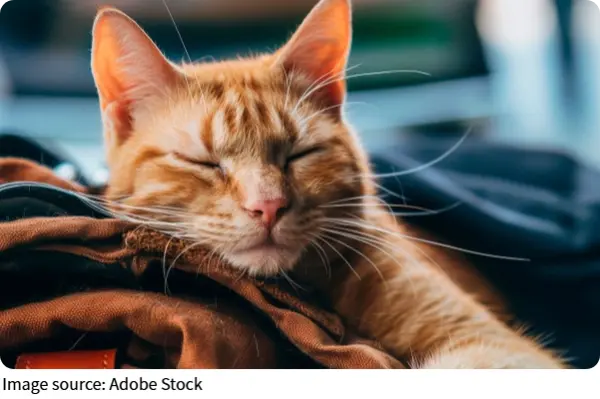
An orange cat may sleep for more than 14 hours a day, and some older cats may rest for as long as 20 hours within a 24-hour period. However, these figures are general observations, not strict rules, and each cat has its own routine.
Young cats need plenty of rest as they grow and explore their surroundings. Mature cats usually balance sleeping with playing, eating, and interacting with people. Older cats may spend even more time resting because their activity levels often decrease. Seeing an orange cat sleep for much of the day is therefore not necessarily a reason to worry.
Why Do Orange Cats Sleep So Much?
Long sleeping hours are a natural part of feline behavior. Cats are suited to short periods of activity followed by extended periods of rest. In their natural environment, cats use energy when exploring, searching for food, and responding to their surroundings, and resting helps them recover it.
Although domestic cats usually enjoy comfortable homes and regular meals, many of these natural habits remain. Orange cats follow the same general sleeping patterns as other domestic cats, since coat color does not determine how long a cat sleeps.
Do Cats Really Sleep All the Time?
Although an orange cat may appear to sleep for hours, not all its resting time involves deep sleep. Cats frequently take short naps throughout the day, some lasting around 15 to 30 minutes.
During these naps, their eyes may be partly closed while their ears stay alert to nearby sounds, and a familiar noise or movement can quickly catch their attention. These short rests let cats relax while remaining aware of their surroundings.
During deeper sleep, cats become more relaxed and less responsive to ordinary sounds. They may change positions, stretch their legs, or move slightly while dreaming. These different stages explain why cats can seem to sleep almost continuously but still react quickly to interesting sounds.
Why Do Sleeping Habits Differ?
Not every orange cat follows the same routine. Some are playful and curious, spending more time exploring their homes, while others prefer quiet corners, comfortable cushions, and long afternoon naps. The surrounding environment also matters: temperature, noise, household activity, and comfortable resting places can influence where and how long a cat sleeps.
How to Create a Comfortable Sleeping Environment
A peaceful sleeping area can help an orange cat enjoy its daily routine. Choose a quiet corner away from busy walkways and provide a soft, clean resting surface. Cats often enjoy warm places with natural light, so a spot near a window can appeal, as long as it is safe and does not become too hot.
Several resting options also help: a soft cushion, a small cat bed, or a familiar blanket gives your pet different places to relax. Short play sessions and interesting toys are equally valuable, as they encourage movement and mental activity and keep the daily routine balanced.
When Should You Pay Attention?
Long sleeping hours are generally normal, but sudden changes deserve attention. A cat that sleeps much more than usual, becomes unusually quiet, loses interest in food, or avoids familiar activities may need closer observation.
Watch for changes rather than focusing only on total sleeping hours. If unusual behavior continues, consulting a veterinarian can help identify possible problems.
If you are not sure what is normal for your own cat, note its usual sleeping spots and nap times for a week or two. That record makes any later change easy to notice and easy to describe to a veterinarian.