How Elephants Seek Water

Vivienne
| 02-11-2026
 · Animal team
In dry landscapes, finding water can make the difference between a comfortable day and a difficult journey. Elephants are remarkably skilled at locating water, even when rivers shrink and familiar pools disappear beneath the dry ground.
Their success comes from a combination of long-term memory, sensitive senses, knowledge of their surroundings, and experience gained while moving through their habitat.
An Excellent Sense of Smell
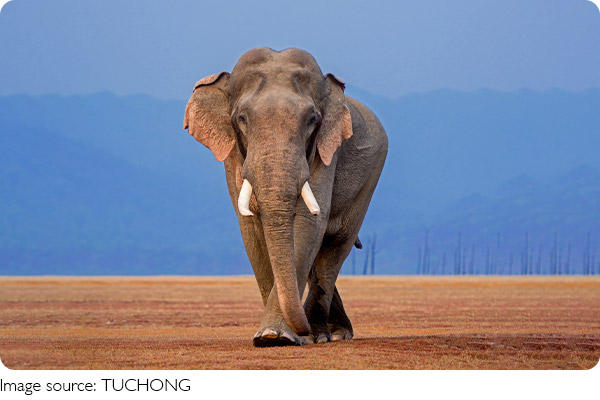
An elephant's trunk is much more than a tool for drinking and gathering food. It also helps the animal investigate scents in its surroundings. By raising its trunk and sampling the air, an elephant can detect chemical signals that may help it locate nearby water.
Research published in the journal Animal Cognition found that African elephants could distinguish natural water samples by smell in controlled experiments. This supports the idea that their sense of smell contributes to water detection, although scientists have not established how far away elephants can reliably identify a water source through scent alone.
Smell is only part of the explanation. Elephants also benefit from impressive memories that help them recognize locations visited in the past. Rivers, springs, seasonal pools, and other watering places can become familiar landmarks within their home range.
This knowledge is especially valuable when rainfall becomes scarce. A pool that holds water during one season may disappear during another, so elephants benefit from remembering which locations are dependable at different times of the year.
Research tracking elephants in Kenya's Tsavo Conservation Area found that their movements became more directed toward water sources during the dry season. The findings suggest that elephants use information about the landscape to guide their journeys rather than wandering without direction.
Following an Experienced Matriarch
In elephant family groups, the oldest and most experienced female, known as the matriarch, often guides the herd. Her experience can be particularly valuable when water becomes scarce. An older matriarch may remember locations visited during previous dry seasons, including places that younger elephants have never encountered. She can also help the group navigate familiar routes and respond to changing conditions.
This shared knowledge gives elephant families an important advantage. Young elephants learn through their experiences within the herd, and following experienced individuals helps them become familiar with the landscape. The matriarch's role, therefore, extends beyond leading daily movements; her knowledge can benefit the group for many years.
Elephants have sensitive hearing that helps them notice sounds across their surroundings. Near a watering place, they may hear splashing, animal calls, or the movement of other wildlife gathering nearby. Such sounds can provide useful clues when a water source is relatively close.
Researchers continue to investigate how elephants use different sensory signals when navigating. Although hearing may help them assess nearby activity, there is not enough evidence to conclude that they routinely locate distant water sources by listening for flowing water. Memory and knowledge of the terrain remain important parts of the explanation.
Digging Beneath Dry Riverbeds
When a river or pool appears to have dried up, water may still remain beneath the surface. Elephants can use their strength and dexterous trunks to access this hidden supply. In sandy riverbeds, they may loosen the ground with their tusks and remove sand, creating shallow wells. Water can then seep into the depression from the damp material below. This behavior allows elephants to reach moisture that is not immediately visible.
The resulting wells may also provide water for smaller animals that cannot dig as effectively. Birds and other wildlife can benefit from the openings created by elephants, making this behavior useful beyond the animals that perform it.
Water availability changes throughout the year in dry regions. Rain can fill temporary pools and replenish rivers, while extended periods without rainfall may leave familiar locations empty. Elephants adjust their movements in response to these conditions. During wetter periods, they may have access to water across a broader area. As the landscape dries, reliable rivers, springs, and remaining pools become more important destinations.
Finding water also involves balancing distance, energy, and the herd's needs. A route that works well for a single elephant may be less suitable for a family group traveling with young calves. The ability to remember several locations and adjust travel plans helps elephants respond to these challenges.

Elephants find water through a combination of scent, memory, experience, and close attention to their surroundings. Their success is not the result of one extraordinary sense alone. It comes from combining several abilities, learning from earlier journeys, and drawing on the knowledge of experienced herd members.