EV Road Trips Expand!

Ravish Kumar
| 27-10-2026
 · Automobile team
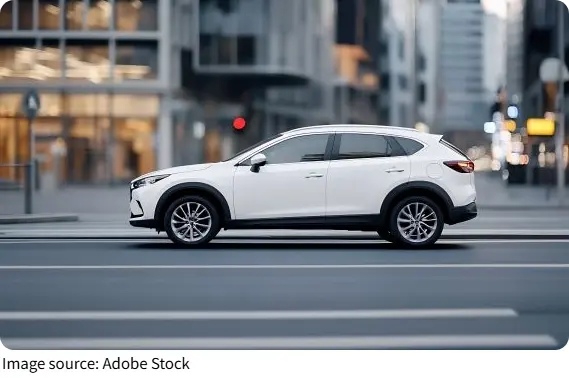
Electric cars are becoming a more practical choice for long-distance holidays across Europe. Drivers are traveling farther from home, exploring destinations that once seemed difficult to reach, and relying on an expanding network of public charging stations.
Recent figures from Dutch motoring organization ANWB show growing interest in destinations such as Italy and Austria among Dutch electric vehicle drivers. While charging prices are becoming more transparent in several markets, additional fees, payment difficulties, and confusing tariffs can still make road trips less predictable.
Italy and Austria Attract More EV Travelers
ANWB analyzed activity from more than 600,000 charging cards to understand how electric car owners traveled during the summer of 2026. The data recorded over 4.8 million charging sessions during the holiday season, highlighting the growing role of electric vehicles in European travel.
Germany, France, and Belgium remained the most popular foreign countries for Dutch drivers using these cards. However, destinations farther south experienced particularly strong growth. Charging activity in Italy increased by 185% over two years, while Austria recorded an even larger rise of 231%.
Portugal and North Macedonia also appeared more frequently in the data. Although part of the increase reflects the growing number of electric vehicles on the road, the figures suggest that drivers are becoming more comfortable planning longer journeys. Better access to charging stations can make unfamiliar routes easier to manage. Drivers can consider more destinations without relying entirely on the availability of charging facilities close to home.
Charging Prices Are Becoming More Predictable
Public charging costs have historically varied considerably between countries and charging providers. However, ANWB's figures indicate that some extreme prices have become less common. In Switzerland, the share of charging sessions costing more than €1 per kilowatt-hour fell from 25% in 2024 to 9% in the summer of 2026. Austria recorded a similar improvement, with the proportion declining from 16% to 9%.
Another notable development is that rapid charging can sometimes cost less than slower public charging in countries such as Germany, France, and Austria. This means drivers should not automatically assume that a faster charger will always be the more expensive option. Comparing prices before plugging in remains important, particularly when several charging networks operate along the same route. The displayed electricity rate is useful, but it does not necessarily reveal every cost associated with a charging stop.
How One Stop Led to a €400 Bill
Despite improvements in pricing transparency, additional charges can still create costly surprises. One driver in Paris received a bill exceeding €400 after leaving an electric car connected to a charging station for three days. Most of the amount came from occupancy fees rather than the electricity consumed. Such charges may apply when a vehicle remains connected after charging has finished, preventing other drivers from using the station.
For holidaymakers, the lesson is straightforward: the charging price alone does not tell the whole story. A seemingly inexpensive station may become costly when extra fees accumulate over several hours or days.
Payment Problems Can Complicate Road Trips
Price is only one part of the charging experience. Drivers also need to know whether their preferred payment method will work at an unfamiliar station. International charging cards do not always function everywhere, and payment instructions can be unclear. A station that displays an option to use a card or scan a code may not necessarily accept a standard bank card.
Such difficulties can be especially inconvenient when travelers are unfamiliar with the area or need to continue their journey quickly. Before leaving a charging stop, drivers may benefit from checking whether the payment has been accepted and whether any additional charges apply.
Reliable information matters just as much as the physical presence of a charger. A station is far more useful when drivers can access it, understand its pricing, and complete payment without unnecessary complications.
What Would Make Electric Travel Easier?
A more convenient European charging experience requires more than simply installing additional stations. Clear pricing, consistent payment options, and easy-to-understand fee conditions would help drivers plan their expenses with greater confidence. Travelers can also take practical precautions. Checking the charging rate, reviewing occupancy limits, and confirming whether parking fees apply can reduce the risk of unexpected expenses. Moving a vehicle promptly after charging finishes may also prevent avoidable charges.
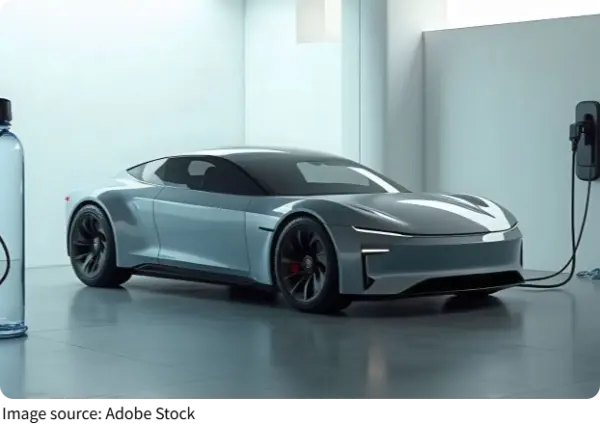
Electric car travel is reaching more European destinations, with Italy and Austria showing particularly strong growth among Dutch charging-card users. Better charging access and improving price transparency are helping make longer holidays more achievable. However, unpredictable fees and payment barriers remain obstacles.