Can Whales Swallow Us?

Caleb Ryan
| 26-10-2026
 · Animal team
The idea of being swallowed by a whale makes for an unforgettable movie scene, but how realistic is it? The film Whalefall brings this unusual survival scenario to the screen, raising questions about whale anatomy, feeding behavior, and the limits of human survival underwater.
Although whales are enormous, their bodies and biology are more specialized than their size might suggest. Understanding how they feed helps separate cinematic suspense from what science considers possible.

Whales Are Not All Built the Same
Whales belong to a diverse group of marine mammals, and their feeding methods vary considerably. Some species filter tiny organisms from seawater, while others capture fish or larger prey. Their size alone does not determine what they can swallow.
Baleen whales, including humpbacks and blue whales, use flexible plates called baleen to separate small food items from water. They take in large mouthfuls of seawater and then push the water out while retaining their food. Although their mouths can open impressively wide, the opening does not lead to a throat capable of accommodating an entire person.
Toothed whales follow a different approach. Species such as Physeter Macrocephalus catch prey individually, including squid. Their mouths and throats have different structures from those of baleen whales, so it is important not to treat every whale as if it feeds in the same way.
The Physeter Macrocephalus Is an Exception
The Physeter Macrocephalus whale is the species that makes the central idea of Whalefall biologically possible in theory. It is the largest toothed whale, and a very large male can reach more than 18 metres in length. Its throat is wider than that of many other large whale species, allowing it to handle much larger prey.
Physeter Macrocephalus search for food in deep ocean waters and are known for feeding on squid, including giant squid. Scientists believe they can draw prey into their mouths using suction. Movement of the tongue called the hyoid helps create pressure differences that pull water and prey inward.
However, researchers have not directly observed every detail of this feeding process in Physeter Macrocephalus. Some explanations are based on studies of related species and other available evidence. The basic anatomy makes swallowing a person conceivable, but it does not mean that such an event is part of a Physeter Macrocephalus normal behavior.
Why an Encounter Would Be Extremely Rare
The biggest difference between the movie and real life is the likelihood of the encounter. Physeter Macrocephalus generally search for prey far below the ocean's surface, sometimes diving more than a kilometre deep. Scuba divers ordinarily operate at much shallower depths, making an accidental meeting during a feeding attempt highly unusual.
Physeter Macrocephalus also use echolocation to locate prey. They produce sounds and interpret the returning echoes, helping them navigate and hunt in dark underwater environments. Their usual food consists of marine creatures, not people. There have been real incidents in which whales briefly engulfed people.
Could Someone Survive Inside a Whale?
The movie takes the premise a step further by imagining a diver surviving inside a whale long enough to escape. That scenario is much harder to accept scientifically. A whale's digestive system is designed to process food, not accommodate a living person. Its stomach contains powerful muscles that move and break down food, while digestive fluids help the body extract nutrients. A person trapped inside would face severe physical stress and a lack of breathable air.
Even with scuba equipment, survival would depend on several unlikely circumstances. The diver would need to avoid serious injury, retain functioning equipment, and somehow reach an exit before running out of air. The whale's movements and internal environment would make escape exceptionally difficult.
Scientists cannot use a fictional scenario to predict exactly what would happen in every possible situation. Still, there is no documented evidence of a person being swallowed whole by a whale and surviving inside it. The movie's central idea relies on a rare anatomical possibility rather than an established real-world event.
Whalefall draws its tension from a question that sits between biology and imagination. A very large Physeter Macrocephalus may have the physical capacity to swallow a person, but the circumstances required would be extraordinarily unusual. Most large whale species cannot swallow a person whole, and documented encounters involving people have ended before that could happen.
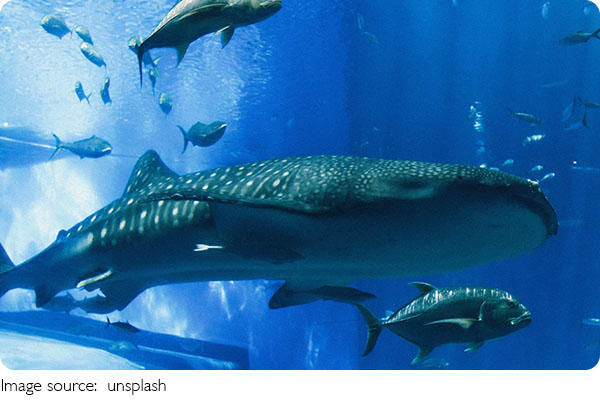
The science offers a fascinating lesson about the importance of anatomy, feeding behavior, and habitat. The film turns that narrow possibility into a survival thriller, while real whale biology remains far more complex than a dramatic scene can show.