Car Checks Before You Leave

Leila
| 24-10-2026
 · Automobile team
Leaving a car parked for several hours may seem like the easiest part of a journey, but a few small checks can help prevent avoidable problems. Whether the vehicle will remain outside an office, at a shopping center, or in a driveway, taking a moment to prepare it can protect its condition and give you greater peace of mind.
A quick routine does not need to be complicated. By checking the parking position, securing the vehicle, and removing anything that could cause trouble, you can leave with fewer worries.
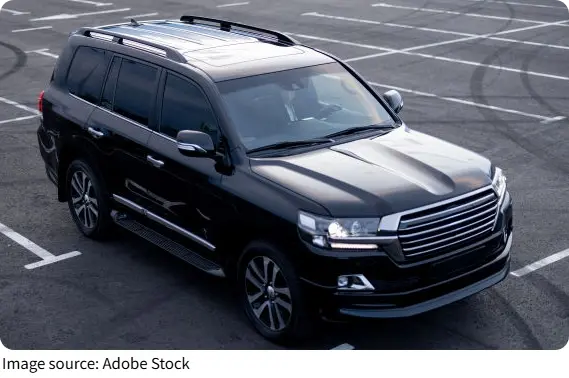
1. Choose a Suitable Parking Spot
The location where you leave your car matters. Whenever possible, choose a legal, well-lit parking area with enough room for other vehicles and pedestrians to move safely. Avoid blocking entrances, driveways, emergency access points, or designated walking areas.
Look around before switching off the engine. Check for low branches, uneven ground, nearby construction, or objects that could make it difficult to open the doors later.
Pay attention to posted restrictions and parking time limits, too. A convenient space may not be suitable for a full day if it requires you to move the vehicle after a certain period. Choosing carefully at the beginning can save time and help prevent unexpected parking issues.
2. Secure the Doors and Windows
Before walking away, make sure every door is properly closed and locked. It is easy to overlook a rear door when carrying bags or leaving in a hurry. Check the windows as well, ensuring they are fully raised unless a particular situation requires otherwise.
Use the vehicle's locking system and confirm that it has activated. Depending on the model, the lights may flash or the mirrors may fold when the car locks. If your vehicle provides a dashboard or app notification, that may offer another way to check its status.
Do not leave the key inside the car or in an easily accessible location nearby. Keep it secure and separate from items that could identify your vehicle or its parking location. These simple habits reduce the chance of returning to a car that was not properly secured.
3. Remove Valuables From View
Items left on seats or the dashboard can attract unwanted attention, even when the vehicle is locked. Before leaving, take important belongings with you, including wallets, bags, electronic devices, and documents containing personal information.
When carrying larger items that must remain in the vehicle, place them out of sight before arriving at your destination whenever practical. Moving belongings after parking may draw attention to where they are stored. A closed storage compartment can help, but it should not be treated as a guarantee of security.
Also check the dashboard and seating areas for personal papers, access cards, or other details you would rather not leave behind. Keeping the interior tidy makes it easier to notice anything missing when you return.
4. Check the Lights and Other Controls
Before leaving, confirm that the engine is switched off and the vehicle's lights and accessories are no longer running unnecessarily. Leaving headlights or interior lights on can drain the battery, potentially making it difficult to start the car later.
Check that the parking brake is engaged and that the transmission is set to the correct parking position for your vehicle. For a manual transmission, follow the manufacturer's guidance for securing the car when parked, especially on a slope.
5. Protect the Interior and Check the Weather
Think about how the car will be affected while it remains parked. On a hot day, sunlight can make the cabin uncomfortable and may affect items left inside. Remove heat-sensitive belongings and use a suitable sunshade when appropriate.
Check the weather forecast when severe rain, strong winds, or other difficult conditions are expected. When possible, park away from areas prone to flooding, falling branches, or loose objects. A covered parking space can offer some protection, although its safety depends on the structure and surrounding conditions.

Running through these five checks in the same order each time turns them into a quick habit. Before walking away, take one final look around the seats and footwells, then confirm the car has locked.