Safe Following Distance

Isla
| 24-10-2026
 · Automobile team
Driving safely involves more than watching the road directly ahead. The space between your vehicle and the one in front matters just as much.
When traffic slows suddenly, a driver who follows too closely may have very little time to respond. Keeping a suitable gap creates room to brake, adjust speed, and handle unexpected situations with greater control.
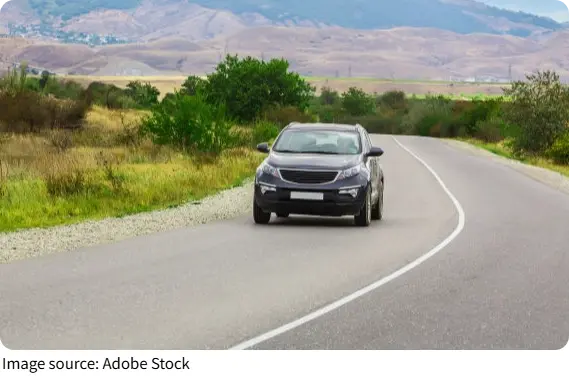
Why Following Distance Matters
A safe following distance gives drivers time to recognize a problem and take action. The vehicle ahead might brake suddenly, encounter an obstacle, or slow down because of changing traffic. Without enough space, even an attentive driver may struggle to stop before reaching it.
Stopping does not happen instantly. Drivers need time to notice a hazard, understand what is happening, and move their foot to the brake. The vehicle then needs additional distance to slow down completely. Together, these factors determine how much space is needed to avoid a collision.
Following too closely also limits visibility. A large vehicle directly ahead can block the view of traffic farther down the road, making it harder to anticipate slowdowns. Leaving more space can improve the view and provide extra room for a controlled response.
Use the Three-Second Rule
The three-second rule offers a quick estimate of the following gap. Choose a fixed roadside object, such as a signpost or an overpass. When the vehicle ahead passes that point, begin counting at a steady pace. Your vehicle should reach the same point at least three seconds later.
The method helps drivers judge space without having to calculate vehicle lengths or distances while moving. It works best when traffic is flowing steadily and visibility is good.
However, three seconds should be treated as a starting point rather than a universal guarantee. Larger gaps may be necessary at higher speeds, on slippery roads, in poor visibility, or when driving a heavily loaded vehicle. The important principle is to leave enough room for the conditions instead of relying on one fixed measurement in every situation.
Adjust for Weather and Road Conditions
Road surfaces and visibility can affect how quickly a vehicle responds to braking. Rain can make the road slippery, while fog may reduce the time available to notice hazards. Loose surfaces, standing water, or debris can also affect vehicle control.
During poor conditions, increase the distance from the vehicle ahead and reduce speed when appropriate. Avoid sudden braking or sharp steering movements, which can make it harder to maintain control. Make sure the windshield is clear and use the appropriate lights when visibility is reduced.
Give Yourself Space in Heavy Traffic
Busy roads can tempt drivers to close every gap, particularly when vehicles are moving slowly. Yet following too closely can make stop-and-go traffic more difficult to manage. Leaving a reasonable buffer allows smoother braking and reduces the need to react sharply whenever the vehicle ahead slows.
Consider Your Vehicle and Speed
The safe gap can vary depending on what you drive and how it is loaded. A larger vehicle or one carrying a heavy load may need more room to stop. Tire condition and braking performance also influence how effectively a vehicle can slow down.
Speed is another important factor. As speed rises, a vehicle covers more ground during the time it takes the driver to react. Braking distance can also increase substantially, particularly when road conditions are less than ideal. Keeping a suitable gap and choosing a speed that matches the surroundings work together to improve safety.
Common Following-Distance Mistakes
A frequent mistake is judging space by looking only at the rear of the vehicle ahead. This can make a gap appear sufficient when it is not. Using a timed reference point offers a more consistent way to estimate the distance.
Another mistake is assuming that good brakes eliminate the need for space. Even well-maintained vehicles cannot remove the time a driver needs to recognize a hazard. Tailgating, becoming distracted, and allowing traffic pressure to dictate driving decisions can all reduce the margin for error.
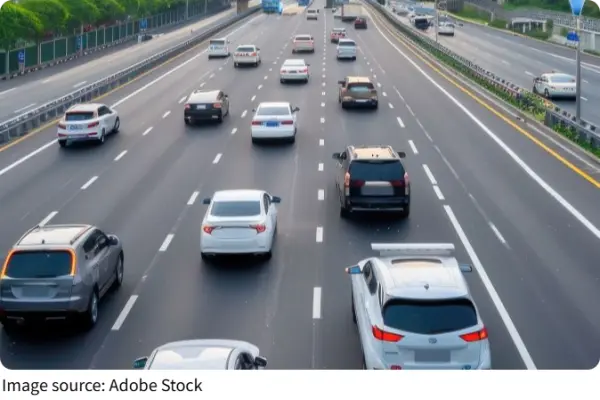
A safe following distance gives drivers time and space to respond when conditions change. On your next drive, check the gap with a three-second count at a signpost, and add a few extra seconds in rain, fog, heavy traffic or when carrying a heavy load.