Cat Tail Secrets

Julian
| 26-10-2026
 · Animal team
Dear Lykkers, have you ever watched a cat walk past with its tail held high or curl it around your leg? That fluffy feature is much more than a charming detail.
A cat's tail helps it balance, express feelings, and communicate with other animals. By observing its movements, we can better understand our furry companions. Let's discover how this flexible body part supports a cat's daily life.
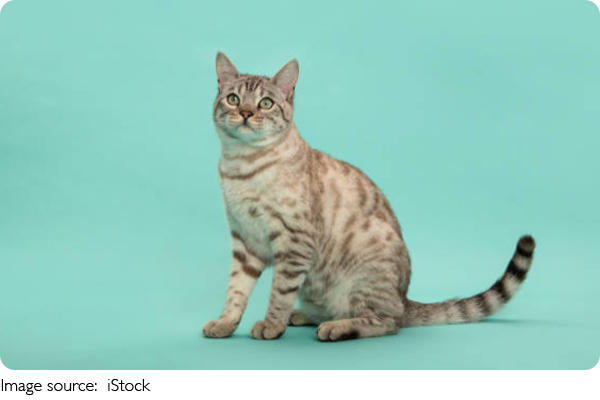
A Natural Balance Tool
When a cat walks along a narrow ledge or jumps onto a shelf, its tail helps it maintain balance. Small movements allow the animal to adjust its body position while moving across uneven surfaces. This ability becomes especially useful when climbing, turning quickly, or landing after a jump.
A cat's tail contains a series of small vertebrae, along with muscles, nerves, and soft tissues that allow flexible movement. During a leap, the tail can help the cat adjust its position in the air. Its legs, spine, and inner ear also contribute to coordination.
We can see this skill when a cat chases a toy across the room. As it turns sharply, its tail may swing in the opposite direction to help control the movement. This natural coordination makes running, climbing, and jumping look graceful.
Understanding Different Feelings
A cat's tail offers useful clues about its mood. When held upright, it often signals a friendly greeting. A cat approaching us with a raised tail may feel comfortable and ready to interact. Sometimes the tip bends forward into a question-mark shape.
Slow movements can appear when a cat is relaxed or watching something with interest. However, quick, sharp swishes may indicate excitement, irritation, or tension. Giving the animal some space can help it settle down.
A puffed-up tail is another noticeable signal. The raised fur makes the cat appear larger when it feels startled or threatened. A tail tucked between the hind legs may suggest fear or uncertainty.
We should consider the entire body rather than relying on one movement. Ears, eyes, posture, and the surrounding situation all help us understand what a cat might be feeling.
Comfort in Everyday Life
A tail also contributes to everyday comfort. On a cool day, a cat may curl into a small ball and wrap its tail around its body. This position helps cover exposed areas and may reduce heat loss. We often see this behavior when cats rest in quiet corners or settle into a soft bed.
The tail can also help discourage insects. When a fly approaches, a quick flick may send it away. During play, tail movements add excitement as cats chase toys, change direction, and prepare to pounce.
A Quiet Way to Communicate
Cats communicate through sounds, body posture, scent, and movement. Their tails are an important part of this language. When familiar cats approach one another calmly, they may raise their tails as a friendly signal. Some cats also brush against each other or briefly wrap their tails together.
Cats often rub against furniture, doorframes, and familiar people. Scent glands around their faces and other body areas leave chemical signals that help them recognize familiar surroundings. Although the tail may touch an object during these moments, scent marking involves more than just the tail.
Kittens may also watch their mother's movements as they follow her around. Her raised tail can provide a visible point of reference, especially when other details are harder to see.
How We Can Respond
We can understand cats better by observing their tails without trying to control them. Notice whether the tail is relaxed, upright, tucked away, or moving rapidly. Then consider the ears, eyes, and body posture for a clearer picture.
Handle this sensitive area gently. Pulling or bending a cat's tail can cause discomfort or injury. If a cat suddenly has trouble moving it or appears painful, a veterinary professional can help.

Final Thoughts
A cat's tail is a remarkable tool for balance, movement, comfort, and communication. By learning to recognize its signals, we can respond more thoughtfully and build stronger connections with our pets.
Next time your cat walks past with its tail held high or gives a gentle flick while resting, take a moment to observe and try to understand how the cat feels.