Electric Cars Explained

Nora
| 25-10-2026
 · Automobile team
Electric cars offer a practical alternative to conventional vehicles by using electric motors to deliver power to the wheels.
Depending on the vehicle type, they can simplify routine maintenance, improve energy efficiency, and provide a comfortable driving experience.
Understanding their technology, charging needs, and ownership costs helps buyers make an informed choice.
Understanding Electric Car Types
Battery Electric Vehicles
Battery electric vehicles (BEVs) run entirely on electricity stored in a rechargeable battery. An electric motor drives the wheels, while regenerative braking recovers some energy during deceleration. These vehicles do not require engine fuel, conventional engine oil changes, or exhaust-system servicing.
Plug-In Hybrid Electric Vehicles
Plug-in hybrid electric vehicles (PHEVs) combine an electric motor, a rechargeable battery, and a combustion engine. They can cover suitable journeys using electric power and switch to the engine when additional range or power is needed. Regular charging allows owners to make greater use of electric driving.
Conventional Hybrid Electric Vehicles
Conventional hybrids combine an electric motor with a combustion engine but generally do not require an external charging connection. Their batteries receive energy through the vehicle's systems, including regenerative braking. This design can improve fuel efficiency while preserving familiar refueling routines.
Driving Range and Energy Efficiency
Driving range is the distance a vehicle can travel before its battery needs recharging. It varies according to battery capacity, vehicle design, energy consumption, and driving conditions. Comparing official range estimates provides a useful starting point when evaluating different models.
Daily travel patterns help determine how much range is appropriate. Short commutes and regular local journeys may suit a vehicle with a moderate range, while frequent long-distance travel may call for a larger battery and convenient access to fast chargers.
Temperature, road gradients, driving speed, and heating or air conditioning can influence electricity consumption. Reviewing typical journey lengths and allowing a reasonable range margin helps drivers plan trips with confidence.
Finding the Right Charging Solution
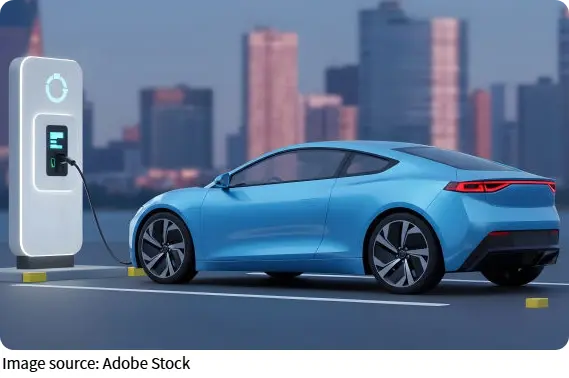
Charging speed and convenience depend on the equipment, the vehicle's charging capability, and the available electrical supply. Three common charging options serve different needs.
Level 1 Charging
Level 1 charging uses a compatible standard household outlet where local requirements permit. It provides a relatively slow charge and may suit drivers who travel short distances and can leave their vehicles connected for extended periods.
Level 2 Charging
Level 2 charging uses dedicated equipment to provide faster AC charging at home, workplaces, and suitable public locations. Home installation may require an electrical assessment and professional installation. Actual charging times depend on the vehicle and the available power supply.
DC Fast Charging
DC fast charging is designed for quicker battery replenishment during longer journeys. Charging performance depends on the charger's output, the vehicle's maximum charging rate, battery temperature, and current charge level. Power generally decreases as the battery approaches a high state of charge.
Before purchasing an electric car, consider your regular parking arrangements, access to charging facilities, and the availability of suitable chargers along your usual routes.
Battery Performance and Longevity
The traction battery stores the electricity used to power an electric car. Its capacity gradually changes with age and is influenced by temperature, usage, and charging conditions.
Buyers should examine the battery warranty, its coverage requirements, and any available battery-health information. Following the vehicle's charging recommendations and operating guidance can help support long-term performance.
Electric motors are highly efficient at converting electrical energy into movement. Regenerative braking also returns some energy to the battery during deceleration, helping reduce energy consumption across suitable driving conditions.
Environmental Impact
Battery electric cars produce no exhaust emissions while being driven. Their overall environmental footprint also depends on electricity generation, vehicle manufacturing, battery production, and the extraction and processing of raw materials.
Charging with electricity from lower-emission sources can reduce the emissions associated with vehicle use. Durable batteries, responsible material sourcing, and effective recycling processes also contribute to a more sustainable approach to electric mobility.
Ownership Costs and Maintenance
The cost of operating an electric car depends on electricity prices, charging arrangements, vehicle efficiency, and purchase price. Home charging may offer convenient rates, while public charging costs vary by provider and charging speed. Comparing expected energy expenses with those of a conventional vehicle gives buyers a clearer picture of potential savings.
Battery electric vehicles generally require fewer routine powertrain services because they have no combustion engine, engine oil, spark plugs, or exhaust system. Regenerative braking can also reduce wear on conventional friction brakes.
Routine care remains important. Tires, cabin filters, brakes, suspension components, and applicable cooling systems need attention according to the vehicle's maintenance schedule. Hybrid models require additional servicing for their combustion engines and related components.
Choosing the Right Electric Car
Selecting an electric car means matching its capabilities to your driving habits, charging access, and ownership budget. Prioritize a suitable driving range, convenient charging options, clear battery warranty terms, and realistic running costs. Consider how well the vehicle fits both everyday journeys and occasional longer trips.
With the right combination of range, charging convenience, efficiency, and practical features, an electric car can provide a dependable and well-suited solution for modern everyday travel.