Car Brand or Features First?

Celia
| 27-10-2026
 · Automobile team
Walk into any dealership and you'll hear two pitches pulling in opposite directions.
One salesperson talks about the badge on the hood and what it holds at resale. The other points at the ventilated seats and the 12-speaker audio. Both are right, and both are selling you something. The trick is knowing which one actually matters for how you'll drive.
What the badge really buys
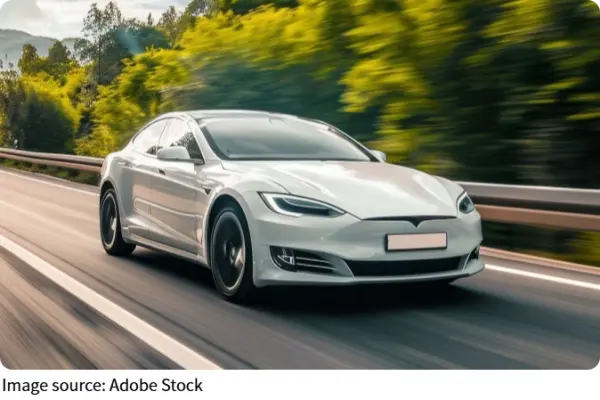
A strong brand mostly pays you back in three places: resale value, dealer network, and parts availability. Toyota and Honda are the clearest examples. A 3-year-old Toyota RAV4 typically holds around 60 percent of its original value, while some less established brands sit closer to 40 percent. That gap is real money at trade-in.
The same logic explains why a Honda dealer in a small town can get you a part in a day, while an obscure brand may mean a week's wait. You're not paying for the logo. You're paying for the ecosystem behind it.
Where configuration wins daily
Features are what you actually touch every morning: heated seats in a cold climate, a 360-degree camera for tight parking, adaptive cruise control for long highway drives. These make a difference on an ordinary Tuesday, not on resale day.
A mid-trim Mazda CX-5 with the upgraded package will feel better to live with than a base model from a premium brand that costs the same. So the real trade is simple: do you want the experience now, or the money back later?
The depreciation math nobody mentions
Here's the part that flips the usual advice. Loaded trims often depreciate faster than base trims, because the extras lose value quicker than the core car. A top-spec trim with a sunroof, massaging seats, and a premium audio system can drop harder than the same model in a mid-level trim.
So paying extra for every option isn't automatically smart. You want the features you'll use, not the full menu.
Match the car to your real life
Ask yourself three questions before you decide. First, how long will you keep it? If it's under five years, brand and resale matter more. If it's eight to ten years, depreciation flattens out and features matter more.
Second, how far do you drive daily? Long commutes reward comfort features, while short trips reward reliability and low running costs. Third, how good is the local dealer? A great brand with a terrible nearby service center is worse than a decent brand with a shop you trust.
Where the smart money lands
Most buyers do best in the middle. Pick a brand with solid reliability and resale, then choose a mid-level trim that covers the features you'll actually use. Skip the top trim unless one specific option is non-negotiable for you.
Skip the base trim if it means no air conditioning in a hot region or no safety tech you'll want. Hyundai and Kia are worth a look here. They've closed much of the reliability gap with the Japanese leaders while often offering more standard equipment at the same price.
Test the features, not the brochure
Spend fifteen minutes in the driver's seat before you commit. Adjust the seats, pair your phone, and try the infotainment. Some touchscreen systems are genuinely frustrating to use while driving, and no brand reputation fixes that. A feature that sounds great on a spec sheet can annoy you every single day.
In short, brand protects your money and time, while features protect your comfort. Before visiting a dealer, write down the few features you would use every week, compare trims against that list, and check the expected resale value of the models that make the cut.