Hedgehogs In Winter

Anika
| 21-10-2026
 · Animal team
Have you ever wondered how a tiny hedgehog survives the coldest months when insects disappear and food becomes scarce? Many hedgehogs have a remarkable survival strategy: hibernation.
During this period, their bodies slow down to conserve energy, allowing them to endure winter with limited food. By exploring how this process works, we can better understand these fascinating mammals and learn how our gardens can provide safer places for them.

Preparing for Winter
As autumn progresses, hedgehogs begin searching for more food to build up their energy reserves. Their natural diet includes beetles, caterpillars, earthworms, and other small creatures. They may also eat fallen fruit when it is available.
The energy stored before winter is essential because regular feeding becomes difficult once temperatures drop. A hedgehog's weight can increase significantly during autumn, although its final size depends on age, health, and the amount of food available.
Finding a suitable shelter is just as important. Common resting places include piles of dry leaves, spaces beneath tree roots, and quiet corners under thick shrubs. These locations provide insulation against cold air and protection from wind and rain. A good shelter should remain dry, stable, and undisturbed throughout the colder months.
A Body That Slows Down
Hibernation involves major changes inside a hedgehog's body. Its temperature drops, its heartbeat slows, and its breathing becomes less frequent. These changes reduce the energy required to keep its essential organs working.
An active hedgehog may have a heart rate of around 180 to 200 beats per minute. During deep hibernation, this can fall to around 20 beats per minute. Breathing also slows considerably, sometimes with long pauses between breaths. Body temperature may approach 5°C under suitable conditions, although the exact value varies with ambient temperature.
Its metabolism can fall to only a small fraction of its active rate. Instead of searching for food every night, the animal relies mainly on the energy stored during autumn. This efficient system helps it survive periods when insects and other natural food sources are scarce.
Waking Up During Winter
Hedgehogs do not necessarily remain in deep hibernation for the entire winter. They can wake periodically as their bodies return toward normal activity. These episodes use energy, so frequent waking may reduce the reserves available for the rest of the season.
Some hedgehogs wake every few weeks, although the timing varies with weather and individual conditions. They may change their position or move to another shelter if their original resting place becomes damp or uncomfortable.
Hibernation is different from ordinary sleep because body temperature and metabolism change dramatically. Even during this state, hedgehogs retain basic responses to their surroundings. Avoiding unnecessary disturbance helps them conserve energy and remain sheltered.
Winter Challenges
Despite these adaptations, winter brings several risks. A hedgehog that enters hibernation without enough stored energy may struggle to survive until spring. Sudden warm spells can disrupt its resting pattern, increasing energy expenditure when food remains scarce.
Heavy rain may flood a shelter, while garden maintenance can destroy the leaves and vegetation that provide protection. Parasites and other health problems may also affect an animal's ability to survive the season.
Pet hedgehogs need different care. African pygmy hedgehogs come from warmer climates and do not share the same natural hibernation pattern as many European hedgehogs. A sudden drop in temperature can be dangerous for them. Owners should seek veterinary advice about suitable housing, warmth, and feeding rather than encouraging hibernation.
How We Can Help
Our gardens can offer valuable shelter when we make a few thoughtful choices. Leaving a quiet pile of dry leaves in a suitable corner gives wildlife a potential resting place. Keeping some areas beneath shrubs undisturbed can also protect natural hiding spots.
Reducing garden chemicals helps preserve insects that hedgehogs depend on for food. Before clearing thick vegetation or moving leaves, check carefully for signs of wildlife. A shallow dish of clean water may also help during suitable weather, provided it is placed safely.
If we see a hedgehog outside during winter, we should consider its condition and the local weather before deciding what to do. An animal that appears injured, unusually weak, or exposed to dangerous conditions may need help from a qualified wildlife rescue service.
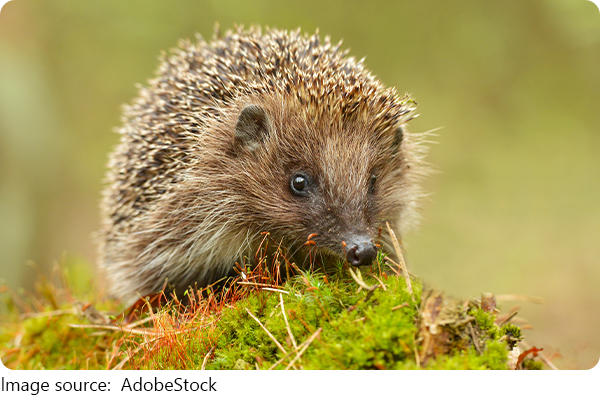
Hedgehog hibernation is an impressive example of how nature responds to seasonal change. By slowing their heart rate, reducing energy expenditure, and relying on stored reserves, these small mammals can endure long periods of food scarcity. However, safe shelter and suitable surroundings remain essential. Have you ever discovered a hedgehog visiting your garden? Share your observations, and consider leaving a quiet, leafy corner for local wildlife this autumn. A small change in our outdoor spaces can help these remarkable animals find shelter when winter arrives.