Nostalgia on Four Wheels

Margot
| 20-10-2026
 · Automobile team
European carmakers are looking to the past to strengthen their position in the electric-vehicle market. By reimagining familiar models for a new generation, manufacturers hope to combine emotional appeal with modern technology and more accessible prices.
The strategy comes as competition intensifies. Chinese electric vehicles are gaining ground in Europe, offering sophisticated features at prices that can undercut those of established local manufacturers. In response, European companies are exploring ways to make their vehicles more distinctive.
Why Retro Design Is Making A Comeback
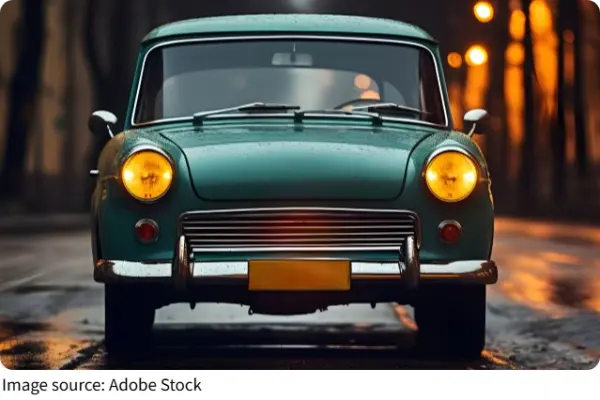
Classic cars often carry memories of childhood, family journeys and important moments in people's lives. Their familiar shapes can create an emotional connection that a completely new design may struggle to achieve.
European manufacturers are increasingly drawing inspiration from their own automotive history. Renault has revived the appearance of its classic Renault 5 as an electric model, while Citroën has presented a modern interpretation of the iconic 2CV. Volkswagen's electric Polo also incorporates design elements inspired by earlier generations of its vehicles.
These projects reflect a broader shift in the industry. Instead of competing exclusively on specifications, manufacturers are attempting to offer cars with a recognisable identity and a story that resonates with buyers.
Can Memories Influence Buying Decisions?
For some motorists, nostalgia can be a decisive factor when choosing a car.
A familiar design may encourage buyers who have been hesitant about switching to electric vehicles to reconsider their options. The emotional appeal of a model they remember from childhood can outweigh some of their initial reservations about new technology.
This approach may be particularly effective in Europe, where generations of drivers have grown up with recognisable domestic car designs.
However, nostalgia alone cannot guarantee commercial success. Buyers still expect competitive prices, practical interiors, sufficient driving range and convenient charging.
The Challenge Of Competing With Chinese EVs
The pressure on European manufacturers is considerable. According to Schmidt Automotive Research, Chinese carmakers, including BYD and Geely, held almost 11% of the European market in the second quarter of 2026.
Their growing presence reflects several advantages, including competitive pricing and increasingly sophisticated technology.
European companies must therefore address production costs and improve their electric-vehicle capabilities while maintaining the qualities that distinguish their products.
Retro styling can help attract attention, particularly in the small-car segment, where affordability is especially important. Yet a familiar exterior will have limited value if the vehicle cannot compete on performance, efficiency or price.
Why Design Cannot Solve Everything
The history of the automotive industry offers reminders that reviving a familiar name or silhouette does not automatically create a successful product.
Some retro-inspired vehicles have attracted considerable initial interest but struggled to maintain demand because of their prices, range or changing consumer preferences.
Manufacturers must also avoid relying too heavily on memories associated with earlier models. A modern electric car needs to deliver a genuinely useful everyday experience, not simply reproduce the appearance of an older vehicle.
Fast charging, dependable software, efficient batteries and advanced driver-assistance systems are becoming increasingly important to consumers.
A Balance Between Heritage And Innovation
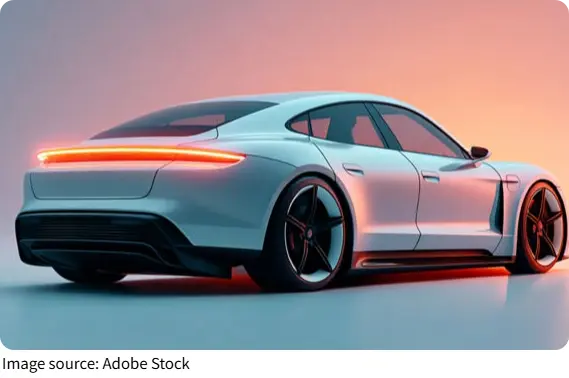
The return of classic designs offers European manufacturers an opportunity to stand out in a crowded market. It allows them to draw on established identities while developing vehicles for a new era of mobility.
Nevertheless, long-term success will depend on more than attractive styling. Affordable prices, practical engineering and technological progress will remain essential.
Nostalgia may persuade customers to take a closer look, but the vehicle itself must give them a reason to buy it. The strongest approach will combine the emotional appeal of the past with the performance and convenience expected from modern electric cars.