Europe's Driverless Future

Kai
| 19-10-2026
 · Automobile team
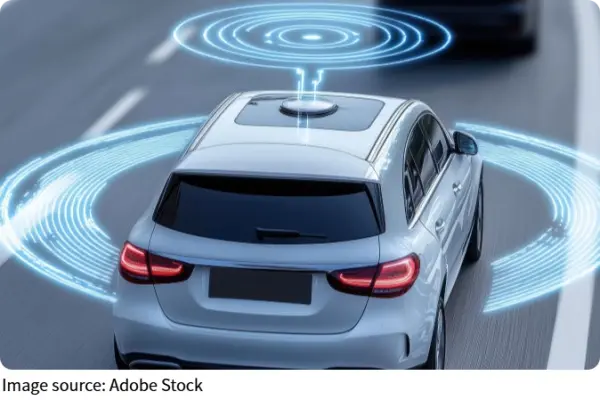
Europe's automotive industry is entering a crucial period as governments, researchers and manufacturers work to accelerate the development of connected and autonomous vehicles. From intelligent driving systems to advanced computer chips, new technologies could reshape how people travel across the continent.
In October 2026, the European Connected and Autonomous Vehicle Alliance (ECAVA) brought its technological ambitions to Paris, outlining a coordinated approach to innovation, investment and commercial deployment.
The initiative reflects a growing determination to strengthen Europe's position in the global automotive industry while addressing the technical and regulatory challenges surrounding autonomous transport.
A Shared Vision For European Transport
The alliance's technology roadmaps were scheduled for presentation on 12 October alongside the Paris Motor Show.
Building on discussions held in Brussels in June, the initiative aims to transform shared research priorities into practical products, services and infrastructure.
A major objective is to improve cooperation between vehicle manufacturers, technology developers, research institutions and public authorities.
Two projects supported by the European Union's DIGITAL programme are expected to strengthen this collaboration.
One will establish a coordinating secretariat, while the other will develop a shared platform through which participants can exchange information and organise joint activities.
Cars That Depend On Software
One of the most significant developments involves software-defined vehicles.
Unlike traditional vehicles, where many functions are closely linked to individual hardware components, these cars can use software to manage and update a wider range of capabilities. This approach could make it easier to introduce new features, improve performance and maintain digital systems throughout a vehicle's lifespan. Europe's roadmap proposes developing an open and competitive software ecosystem by 2030.
Rather than requiring manufacturers to adopt a single technical system, the strategy emphasises compatibility, common architectural standards and reusable open-source components.
Safety remains particularly important because increasingly sophisticated software will influence essential driving functions.
Smaller Chips, Greater Possibilities
Autonomous vehicles require considerable computing power to process information from cameras, sensors and navigation systems.
Europe's automotive hardware strategy therefore includes plans for a computing platform based on chiplet technology.
Chiplets are smaller processing components that can be combined to create more flexible computing systems.
This architecture could allow manufacturers to adapt computing performance to different vehicle requirements while integrating specialised functions.
Developing competitive automotive electronics is also considered important for strengthening European supply chains and reducing dependence on external technologies.
Bringing Autonomous Cars To Cities
Another priority is moving autonomous driving beyond controlled demonstrations.
The deployment roadmap focuses particularly on Level 4 automation, which allows vehicles to operate without human intervention under specified conditions.
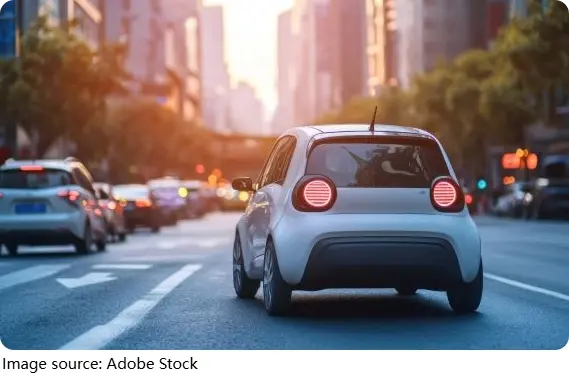
Such vehicles could eventually support passenger transport services in suitable urban environments. However, commercial deployment requires more than reliable technology. Cities must also consider road infrastructure, operating costs, public confidence and regulatory approval.
The European Autonomous Drive Ambition Cities initiative is intended to help cities and industry partners develop commercially viable autonomous transport services.
Interested European cities and regions were invited to submit expressions of interest by 20 October 2026.
The Challenges Ahead
Despite technological progress, widespread autonomous driving still faces significant obstacles.
Vehicles must operate safely in complicated environments involving pedestrians, cyclists, unpredictable traffic and changing weather conditions.
Cybersecurity, data protection and responsibility for accidents also require careful consideration.
Meanwhile, manufacturers need sufficient investment to move from experimental systems to large-scale production.
European policymakers have identified industrial commitment, coordinated funding, effective supply chains and competitive regulations as essential conditions for progress.
What The Future Could Bring
The European strategy forms part of wider efforts to modernise the automotive sector and encourage artificial intelligence innovation.
Its success will depend on how effectively research organisations, manufacturers and governments translate their plans into practical technologies.
For drivers and passengers, the potential benefits include more sophisticated vehicle assistance, improved digital services and new forms of urban mobility.
Fully autonomous transport is unlikely to become commonplace overnight, but Europe's coordinated approach could help determine how quickly these technologies reach everyday roads.