EU Car Rules Under Fire

Amara
| 16-10-2026
 · Automobile team
Rules governing vehicle emissions can shape the cars manufacturers develop, the technologies they invest in, and the options available to buyers.
A report by POLITICO Europe raised questions about whether the European Commission fully followed its own internal advice before moving toward a more flexible approach to car carbon dioxide emissions targets.
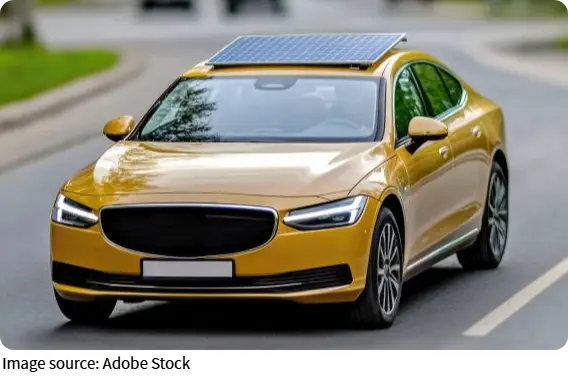
Why Vehicle Emissions Rules Matter
Car emissions standards are designed to reduce the amount of carbon dioxide released by vehicles over time. They influence automakers' long-term plans, including investments in electric vehicles, improvements to conventional engines, and the development of other technologies that can lower emissions.
Because vehicle development takes years, manufacturers need a reasonably clear understanding of the requirements they will face. A major adjustment can affect production strategies, research budgets, and decisions about which models to bring to market.
The rules also have wider consequences for consumers. They can influence the range of vehicles available, the pace at which lower-emission models reach dealerships, and the costs associated with developing new technology. For that reason, changes to emissions targets are usually evaluated against several considerations, including environmental outcomes, industrial capacity, and the practical time needed to adapt.
What the Internal Briefing Reportedly Said
According to the report, a technical briefing prepared before a January 2025 meeting advised against changing the existing timetable too early. Analysts working on climate-related matters argued that it was premature to conclude that vehicle manufacturers could not meet the targets.
The document also highlighted the importance of stable expectations for businesses. Carmakers had already committed substantial resources to electric vehicle development, battery technology, and production facilities. Frequent adjustments to emissions requirements could make it harder for companies to assess the value of those investments.
The briefing challenged claims that manufacturers would face exceptionally high penalties for missing their near-term targets. It argued that such estimates depended on a scenario in which companies made no improvements, rather than accounting for potential changes in vehicle sales and the introduction of newer models.
Why Predictable Targets Matter
Automotive development involves long planning cycles. Designing a new vehicle, testing its performance, preparing factories, and arranging component supplies can take several years. Manufacturers therefore benefit from knowing which standards they will need to meet well before a new model reaches the market.
Predictability also matters to companies supplying batteries, charging equipment, and other technologies used in electric vehicles. When manufacturers have confidence in future demand, suppliers can plan capacity and make decisions about hiring, equipment, and production.
A change in emissions requirements can provide manufacturers with additional time or flexibility, but it may also affect investment decisions. Businesses could delay some projects when they become less certain about how quickly customers will move toward lower-emission vehicles.
How the Rules Were Subsequently Revised
The original framework established a 100% reduction target for tailpipe carbon dioxide emissions from new cars by 2035, compared with the specified baseline. In December 2025, the European Commission proposed a revised approach that would lower the required reduction to 90%, with the remaining emissions to be balanced through measures involving low-carbon steel and alternative fuels.
Measuring Progress Beyond the Targets
Assessing vehicle emissions rules requires more than examining a single deadline. Useful indicators include electric vehicle sales, average emissions from new cars, investment in manufacturing capacity, and the availability of lower-emission models at different prices.
Sales figures can help show whether customers are adopting new technologies, while production data can indicate whether manufacturers are building the capacity needed to serve future demand. These measures provide a more complete picture than estimates based solely on the possibility of penalties.
The reported internal briefing highlights why technical assessments and consistent expectations matter when emissions standards are revised. Clear evidence can help decision-makers evaluate claims about compliance costs, investment needs, and the pace of technological development.
More flexible requirements may ease immediate pressure on manufacturers, but they can also affect the signals guiding long-term investment. The lasting outcome will depend on whether the final framework supports practical progress in reducing vehicle emissions while giving manufacturers a clear basis for planning future products and technologies.