EVs May Cost More!

Amina Hassan
| 16-10-2026
 · Automobile team
Electric cars are becoming an increasingly important part of the automotive market, but their purchase prices remain a concern for many consumers.
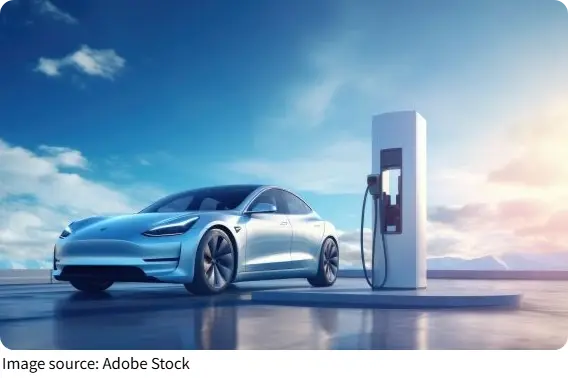
New rules designed to encourage battery production within Europe could create another financial challenge. A report published in September 2026 suggests that requirements favoring locally produced battery materials and components could increase the cost of electric vehicles by around €2,100 per car.
Why Battery Sourcing Rules Matter
Batteries are among the most expensive components of an electric vehicle. Their production depends on a complex network of raw materials, processed minerals, cells, and specialized manufacturing equipment. The location of these production stages can influence costs, particularly when manufacturers must establish new facilities or switch suppliers.
Rules that encourage European sourcing aim to strengthen the region's battery industry and reduce dependence on overseas production. However, building local capacity requires investment in factories, technology, skilled workers, and supporting infrastructure. During the transition, these expenses may be higher than the costs associated with established suppliers.
How Much Could Electric Cars Cost?
The report from Bruegel, an independent economic research institute, estimates that requiring battery cells to be manufactured within the European Union could raise their cost from €50 to €85 per kilowatt-hour. For a typical electric car, that difference could translate into approximately €2,100 in additional production costs. The report also estimates that a requirement for lower-carbon steel could add another €200 per vehicle.
Local Production Versus Affordable Prices
Supporters of regional manufacturing have reasons to favor stronger European battery production. A more established local supply chain could create industrial opportunities, support skilled employment, and give manufacturers greater control over important components.
However, developing these capabilities takes time and investment. Existing overseas suppliers may benefit from larger production volumes and established manufacturing networks, allowing them to offer competitive prices. European producers would need to improve efficiency and expand production to narrow that gap.
The challenge is finding a balance between supply-chain resilience and affordability. Encouraging local manufacturing may bring longer-term benefits, but requiring companies to source components locally before competitive capacity is available could increase costs in the short term.
Why Smaller Electric Cars Could Feel the Impact
Higher production costs can create different challenges across the electric vehicle market. More expensive models may have greater room to absorb additional expenses, while lower-priced vehicles operate within tighter pricing limits. For manufacturers targeting budget-conscious buyers, even a relatively small increase in production costs can influence pricing decisions. Companies may need to reconsider equipment levels, production plans, or profit margins to keep vehicles within reach of their intended customers.
This matters because purchase price remains an important consideration when consumers compare electric cars with conventional alternatives. A more expensive starting price could discourage some potential buyers, particularly those who cannot easily access financing or purchase incentives.
What Manufacturers and Buyers Should Watch
The cost estimates should be viewed as projections rather than a prediction that every electric car will immediately become more expensive. The eventual outcome will depend on how any requirements are designed, how quickly European battery production develops, and whether manufacturers find ways to reduce production expenses.
Consumers considering an electric vehicle can compare the total cost of ownership rather than focusing exclusively on the initial price. Electricity expenses, maintenance requirements, charging access, and available purchase incentives can all influence the long-term financial picture.
The estimated €2,100 increase highlights a central challenge facing the electric vehicle industry: building a stronger European manufacturing base without making electric cars less accessible. Local production could offer valuable industrial benefits, but the transition may carry costs that eventually reach consumers.
The long-term outcome will depend on whether manufacturers can expand production, improve efficiency, and maintain competitive prices. For buyers, the key question is not simply where a battery is made, but whether electric vehicles can remain affordable while their supply chains develop.