Parus Major Diet Guide

Mason O'Donnell
| 13-10-2026
 · Animal team
A parus major is a small, energetic bird often seen searching among leaves, hopping across branches, or visiting garden feeders. Their diet includes a variety of foods, from tiny insects to seeds and nuts.
As the seasons shift, their feeding habits adjust to match what nature provides. Understanding what a parus major eats offers useful insight into their daily routines and helps explain how gardens and woodlands can support these active birds.
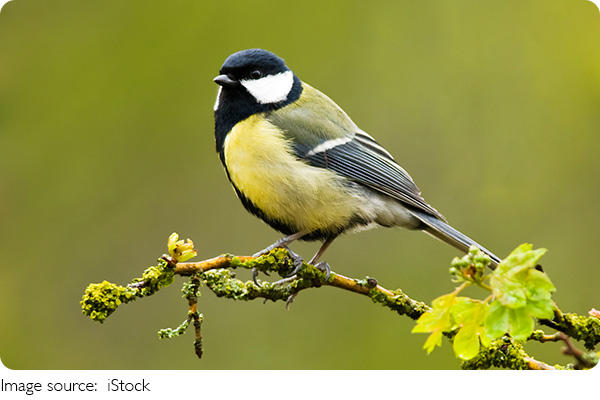
What Does A Parus Major Eat in the Wild?
A parus major will eat both insects and plant-based foods. Small invertebrates are especially important during the breeding season, providing essential nutrients for parent birds as they care for their chicks.
Their natural diet can include caterpillars, beetles, spiders, and other small creatures. They search among leaves, inspect branches, and examine tree bark to locate suitable prey. Parus major also consumes seeds, nuts, and some fruits when available. This flexible diet allows them to find food in different habitats throughout the year.
How Does Their Diet Change With the Seasons?
Food availability influences what a parus major eats during different times of the year. In spring and summer, insects become a major food source. Caterpillars are particularly valuable because they provide nutrients for growing chicks.
During autumn, seeds, nuts, berries, and insects provide a varied selection. As temperatures fall and insects become harder to find, plant-based foods become increasingly important. In winter, a parus major relies more heavily on seeds and nuts, including those from beech and hazel trees. They may also visit garden feeders when natural food becomes less accessible.
What Would A Parus Major Feed Their Chicks?
A young parus major requires nutritious food to support its rapid development. During their early days, they depend on their parents to bring suitable meals directly to the nest. Caterpillars are an important part of their diet, although parents also provide spiders and other small invertebrates. The exact food depends on what is available nearby.
Breeding success is closely connected to the supply of suitable prey. Gardens with trees and shrubs that support insect populations can provide useful feeding grounds for parent birds searching for food.
What Foods Would Attract A Parus Major to A Garden?
Garden feeders offer them an additional food source, especially during colder months. A parus major commonly visits feeders that provide suitable options, including:
Sunflower hearts: Easy-to-eat seeds that provide useful energy.
Peanuts: Unsalted peanuts intended for wild birds offer another suitable choice when placed in an appropriate feeder.
Mixed seeds: A variety of seeds gives visiting birds different options.
Suet-based bird food: Products made for wild birds can provide extra energy during cold weather.
Place feeders where birds can approach safely and leave without difficulty. Clean them regularly, remove spoiled food, and provide fresh water in a shallow container when possible. Supplementary feeding should support natural food sources rather than replace them.
How Do Parus Major Find and Handle Food?
A parus major uses its eyesight and quick movements to locate food. They inspect leaves, move along branches, and search tree bark for insects hiding in small spaces. When a bird finds a seed or nut, it may carry the item to a suitable perch. It can then hold the food with its feet and use its bill to break the outer covering.
A parus major can also learn feeding techniques through experience and observation. Their ability to investigate different food sources helps them make use of opportunities in both natural habitats and gardens.
A parus major has a varied diet consisting of insects, caterpillars, spiders, seeds, nuts, and berries. Their food choices shift throughout the year, with insects particularly important during breeding and seeds becoming more valuable when colder weather limits other options.
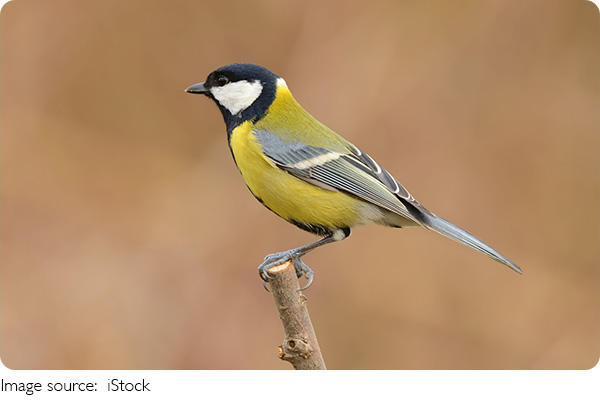
To make a garden more welcoming, provide appropriate feeder food, keep feeding equipment clean, and grow plants that support natural insect life. Combining supplementary feeding with a healthy garden environment can help a parus major find nourishment year-round.