Tire Care Essentials

Mei
| 10-10-2026
 · Automobile team
Tires are essential to a vehicle's handling, braking, and stability on different road surfaces.
Proper maintenance helps preserve their performance, supports driving comfort, and allows drivers to identify when servicing or replacement is needed.
A consistent care routine built around pressure checks, tread inspections, and timely maintenance helps keep tires in good condition throughout their service life.
Check Tire Pressure
Correct tire pressure supports predictable handling, even wear, and efficient vehicle operation. Check the pressure when the tires are cold, using a reliable gauge, and follow the vehicle manufacturer's recommended settings.
The recommended pressure is usually listed on a label inside the driver's door or in the owner's manual. Check it regularly, before long journeys, and when carrying heavy loads, following the manufacturer's guidance.
Monitor Tread Depth
Tire tread provides grip and helps channel water away from the contact area on wet roads. As the tread wears down, its ability to maintain traction in wet conditions can decrease.
Inspect the full width of each tire for uneven wear and use a tread-depth gauge when available. Follow the applicable legal requirements and manufacturer's recommendations, replacing tires when they reach the relevant limit or when their condition calls for earlier replacement.
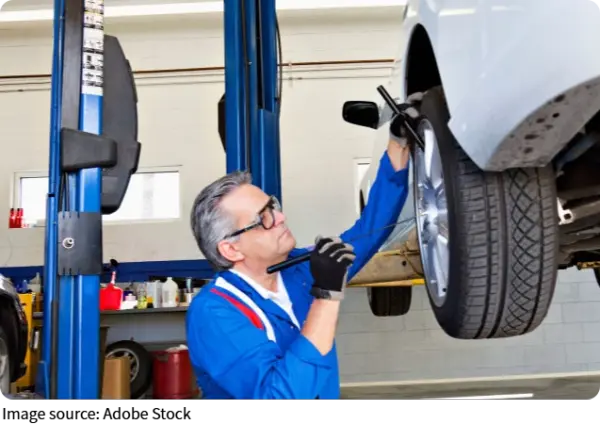
Inspect Tire Condition
Visual inspections can reveal changes that require professional attention. Look for cuts, cracks, bulges, embedded objects, and unusual wear patterns across the tread and sidewalls.
Check the valve area and examine the spare tire, if fitted. Keep the recommended tools available so you can prepare for routine tire-related needs.
If you notice an unusual change in a tire's appearance or performance, arrange a professional inspection to determine the appropriate action.
Maintain Even Tire Wear
Tires may wear at different rates depending on drivetrain configuration, vehicle weight distribution, steering, and driving habits. Following the manufacturer's rotation schedule can help distribute wear more evenly.
Use only the approved rotation pattern for your vehicle. Different tire sizes, directional tread designs, and specific wheel configurations may restrict rotation options.
Wheel alignment and balancing should also be checked according to the service schedule or when symptoms, such as uneven wear or steering vibration, indicate that attention may be needed.
Adapt to Driving Conditions
Temperature changes, road surfaces, vehicle loads, and driving frequency all influence tire performance. Check pressure more frequently when temperatures vary considerably, as pressure changes with temperature.
Before a long journey, inspect tire condition, verify pressure, and ensure the vehicle remains within its specified load limits. After driving on rough surfaces, check for visible changes that may require further assessment.
Choose the Right Replacement Tires
Replacement decisions should account for tread depth, tire age, physical condition, and manufacturer guidance. Tires can age even when a vehicle is driven infrequently, making regular inspections important throughout their service life.
Select replacement tires with the correct size, load rating, and speed rating for the vehicle. Follow the manufacturer's recommendations for matching tires across each axle and selecting suitable replacements.
A qualified tire professional can help confirm compatibility, installation requirements, and any additional maintenance needs.

Make Tire Care a Habit
Reliable tire maintenance depends on a few essential habits: checking pressure, monitoring tread depth, inspecting tire condition, and following the recommended service schedule.
Regular attention helps preserve tire performance, supports consistent handling, and allows drivers to plan replacements at the appropriate time. By making these checks part of routine vehicle care, you can enjoy more comfortable journeys and make better use of your tires.