Drive the Dolomites

Maya
| 10-10-2026
 · Travel team
Among the many scenic drives in northern Italy, the route across Passo Gardena (Grödner Joch) stands out for its combination of dramatic limestone peaks, sweeping curves and golden autumn forests.
Located within the Dolomites UNESCO World Heritage Site, the mountain pass links Val Gardena with Val Badia at an elevation of approximately 2,121 metres.
Every autumn, European larch trees gradually turn brilliant shades of gold while the pale Dolomite cliffs remain unchanged, creating one of the most striking seasonal landscapes in the Alps. Rather than driving straight through, plan a full day that combines viewpoints, short hikes and local mountain culture.
Gardena Pass
Turn the Road into the Destination
The scenery improves every few kilometres, making frequent stops part of the experience rather than an interruption.
Drive slowly through the pass
The mountain road climbing to Passo Gardena stretches for roughly 25 km between the surrounding valleys, with a series of broad bends that continuously reveal new mountain panoramas.
Driving the full route without stopping takes less than 40 minutes, but most visitors spend 3–5 hours exploring viewpoints, photographing the landscape and walking short trails.
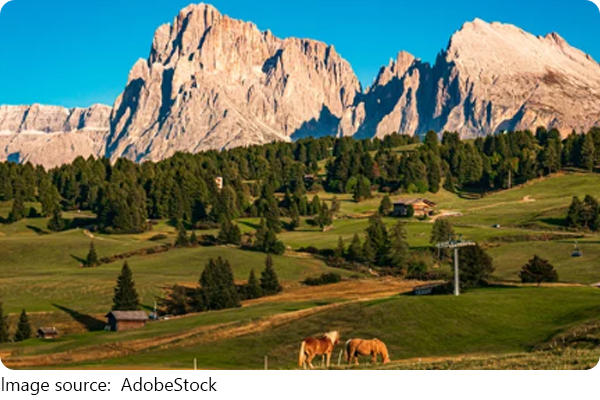
One of the most impressive features is the contrast between smooth alpine meadows, golden larch forests and towering limestone walls rising several hundred metres almost vertically above the valley floor. As the road climbs, each curve changes the perspective, making no two viewpoints look exactly alike.
Autumn generally offers excellent visibility because cooler temperatures often produce crisp mountain air after overnight rain. Morning light illuminates the eastern cliffs, while late afternoon brings warm colours to the western slopes and surrounding forests.
Stop at the viewpoints
Numerous roadside parking areas provide safe places to enjoy the scenery without rushing.
Many viewpoints require only 2–10 minutes of walking from the parking area, making them accessible for visitors who are not planning long hikes. Others connect directly to marked mountain trails that continue deeper into the alpine landscape.
The surrounding peaks frequently exceed 2,800–3,000 metres, creating dramatic elevation differences between the valley roads and the rocky summits. Looking across the landscape, visitors can clearly distinguish three distinct zones: forests at lower elevations, open alpine grasslands above the treeline and the exposed pale rock formations that define the Dolomites.
Allow extra time simply to observe how changing sunlight alters the colours of both the cliffs and the larch forests throughout the day.
Add Walking to Your Journey
The Dolomites are best experienced on foot as well as by car.
Choose a short alpine hike
Several well-marked trails begin directly from Passo Gardena, allowing visitors to leave the road behind within minutes.
Easy walks of 2–5 km lead across open meadows and gentle slopes, while longer routes continue toward nearby mountain huts and panoramic ridges. Even a short 60–90 minute walk provides a quieter experience than remaining beside the roadway.
Carry at least 1.5–2 litres of water, as well as layered clothing. At elevations above 2,000 metres, temperatures can change noticeably even during sunny autumn afternoons, particularly when clouds move across the mountains.
Good hiking shoes are recommended because many trails cross loose limestone gravel and uneven alpine terrain.
Plan a full mountain day
Passo Gardena lies approximately 40 km from Cortina d'Ampezzo and about 45 km from Ortisei, making it an easy addition to a wider Dolomites itinerary.
A comfortable independent day trip generally costs €70–130 per person, including transportation, mountain meals and incidental expenses, excluding accommodation.
Setting aside 7–9 hours allows enough time to complete the scenic drive, enjoy several viewpoints, take a moderate hike and relax at a traditional mountain refuge overlooking the surrounding peaks. The slower pace also leaves room to appreciate details that are easy to miss from inside a moving car, from alpine wildflowers that persist into early autumn to the subtle colour changes across the larch forests.

Passo Gardena shows that some of the world's finest mountain roads are not simply routes between destinations. In autumn, the journey itself becomes the attraction, where every bend introduces a new balance of golden woodland, open meadows and towering Dolomite cliffs that encourage travelers to slow down and enjoy the landscape one viewpoint at a time.