Healthy Cat Care

Matteo
| 12-10-2026
 · Animal team
Does your cat love chasing toys, curling up beside you, or sleeping in a sunny spot? These little moments make life with a feline companion special.
To help our cats enjoy a comfortable and happy life, we need to focus on four important areas: health checks, grooming, exercise, and nutrition. By building simple daily habits, we can create a caring home where our furry friends feel safe, active, and loved.
Health Checks and Prevention
Regular veterinary visits help us understand our cat's condition and notice potential problems early. We should arrange a health examination at least once a year, although kittens, senior cats, and those with ongoing health needs may require more frequent visits. A veterinarian can check body weight, breathing, teeth, eyes, ears, and general condition.
Vaccinations and parasite prevention should follow professional advice based on age, lifestyle, and local health risks. Keeping a record of appointments and treatments makes it easier to plan future visits.
At home, we can observe changes in appetite, drinking habits, energy, and litter box use. Repeated vomiting, ongoing diarrhea, coughing, or unusual discharge deserves attention. If our cat struggles to breathe, has difficulty using the litter box, or becomes extremely weak, we should seek urgent veterinary care.
Grooming and Cleanliness
Brushing helps remove loose hair, dust, and tangles while giving us an opportunity to check the skin. Short-haired cats may need brushing several times a week, while long-haired cats often benefit from gentle daily grooming. Start along the back and shoulders, then move slowly toward the sides and tail. Use a suitable brush and avoid pulling tangled hair.
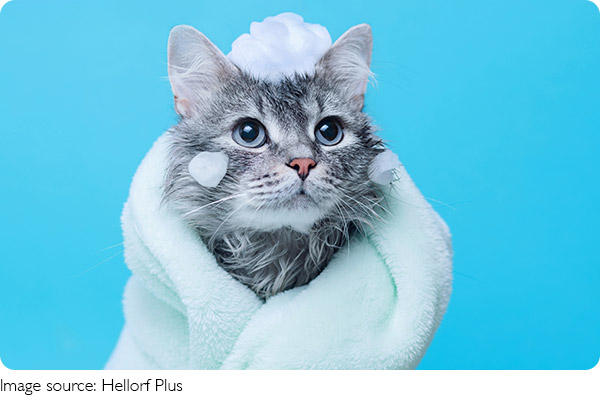
Most cats clean themselves well, so frequent baths are usually unnecessary. When bathing is needed, use a cat-safe shampoo and lukewarm water. Keep the session short, handle your companion gently, and dry the coat with a soft towel in a warm room.
We should also check the eyes and ears regularly. Use a clean, damp cotton pad to wipe away dirt around each eye, using a separate pad for each eye. Clean only the visible outer ear when needed, following veterinary advice. Avoid inserting cotton swabs into the ear canal or using medication without professional guidance. Redness, swelling, unusual odors, or repeated scratching may require a veterinary examination.
Exercise and Playtime
Cats need opportunities to climb, explore, chase, and scratch. A sturdy cat tree, a scratching post, and several safe hiding places can make our homes more interesting. Even in a small apartment, we can arrange furniture to create secure climbing routes and comfortable resting spots.
Try planning two or three short play sessions each day. A feather wand, lightweight ball, or toy mouse can encourage running, jumping, and chasing. Allow your cat to catch the toy occasionally to make the activity more rewarding. Put away string-based toys after play to prevent accidental swallowing.
Small food rewards can also encourage positive behavior. We might offer a suitable treat when our companion uses a scratching post or follows a toy. Treats should make up only a small part of the daily diet. Regular play supports physical fitness, reduces boredom, and gives us valuable time to strengthen our bond.
Balanced Meals and Fresh Water
Good nutrition supports healthy muscles, skin, and energy levels. Cats need complete and balanced food containing animal-based protein and essential nutrients, including taurine. Choose a formula suitable for your cat's life stage rather than relying on treats or homemade meals that may lack important nutrients.
The right portion depends on age, body condition, activity level, and calorie needs. Follow the package feeding instructions as a starting point, and ask a veterinarian for advice if your cat needs to gain or lose weight. Measuring each serving helps us avoid overfeeding and makes changes in appetite easier to notice.
A regular feeding schedule provides structure. Many cats do well with two or more measured meals daily, while kittens generally need more frequent feeding. Fresh drinking water should always be available. A wide, shallow bowl or pet drinking fountain may encourage cats that prefer moving water to drink more often.
Keep food and water containers clean, and place them away from the litter box. When changing food, introduce the new option gradually over several days to help your cat adjust comfortably.

Build Healthy Daily Habits
Caring for a cat does not require a complicated routine. Regular health checks, gentle grooming, daily play, balanced meals, and fresh water can all improve our companion's comfort and well-being. By noticing small changes and responding with patience, we can help our cats feel secure and loved.
How old is your cat, and what does it enjoy most: chasing toys, climbing, or curling up beside you? Share your favorite cat photo and tell us about your furry friend in the comments. We would love to hear your story!