Off-Road Essentials

Tessa
| 10-10-2026
 · Automobile team
Imagine driving along a rugged trail, crossing muddy tracks, passing rocky slopes, and exploring wide sandy landscapes. An off-road adventure lets us enjoy nature and discover places beyond ordinary roads.
However, a successful trip starts with careful preparation. Before we set off, we should inspect our vehicle, prepare essential equipment, and plan for changing conditions. Let's explore the key steps that can help us enjoy our next journey with greater confidence.

Check Our Vehicle Before Departure
Off-road routes can include loose gravel, deep mud, uneven ground, and steep slopes. These surfaces place extra demands on our vehicle, making a thorough inspection especially important.
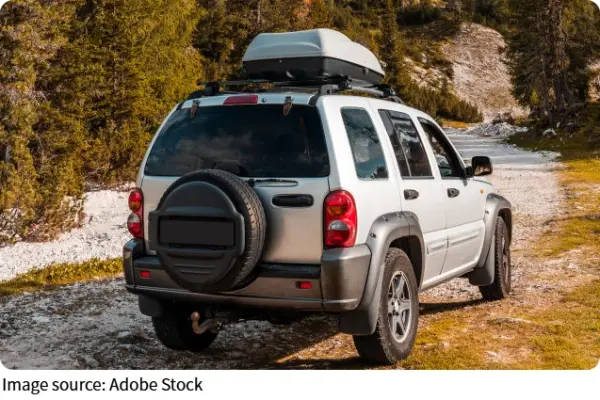
We should check the engine oil, coolant, fuel level, battery, lights, steering, and braking system. Tire pressure and tread condition also deserve close attention because sharp stones and rough surfaces can damage tires. We should inspect the underside for loose parts or visible damage and confirm that the spare tire is ready for use.
Fuel planning matters just as much. Remote trails may have no nearby service stations, so we should fill the tank before leaving and identify refueling points along the route. Extra fuel should be carried in an approved, secured container according to local safety rules.
Protect the Vehicle Body
During an off-road trip, flying stones, branches, sand, and mud can scratch the paintwork or damage exposed components. Narrow trails and rocky sections make these risks more likely, especially when we drive too close to obstacles.
We can prepare by checking the bodywork and considering suitable protective equipment, such as underbody guards, mud flaps, and protective film. Vehicles regularly used on rocky trails may benefit from model-specific protection for vulnerable areas. Any added equipment should fit properly and leave important components accessible.
A suitable protective coating can help reduce minor scratches and make cleaning easier, but it cannot prevent every type of damage. We should still maintain a controlled speed, watch the space around the vehicle, and avoid narrow gaps when clearance is uncertain. After returning, washing away mud and grit helps us find scratches, loose fittings, and early signs of corrosion.
Pack Spare Tires and Recovery Gear
Even a well-maintained vehicle can experience trouble on rough ground. A tire may lose air, or the wheels may sink into soft mud. Carrying suitable equipment helps us respond more effectively.
Our kit should include a spare tire, a suitable jack, a wheel wrench, a tire pressure gauge, and a portable air compressor. A rated recovery strap and compatible recovery points can also be useful. Traction boards, a sturdy shovel, work gloves, and a flashlight are practical additions.
We should use recovery equipment according to its instructions and attach straps only to approved recovery points. Everyone nearby should stand clear during a recovery attempt. If a vehicle is deeply stuck or the ground is unstable, professional assistance is safer than attempting a risky maneuver.
Check the Weather and Plan the Route
Weather can change trail conditions quickly. Heavy rain may turn firm ground into deep mud, while rising water can make stream crossings dangerous. Strong winds, poor visibility, and extreme temperatures may also affect our plans.
Before departure, we should check the local forecast, trail access information, and any restrictions. We should choose a route that matches our driving experience, vehicle capability, and available daylight. Downloading offline maps is helpful because mobile signals may disappear in remote areas.
We should also tell someone outside our group where we plan to travel and when we expect to return. We should bring drinking water, a first-aid kit, suitable clothing, snacks, a charged phone, and any emergency communication equipment required for the route.
Travel With Other Off-Road Drivers
Traveling with other vehicles provides extra support when unexpected problems arise. Three or more vehicles can be helpful on remote routes, although the appropriate group size depends on the terrain and local conditions.
Before leaving, we should agree on the route, meeting points, communication methods, and procedures for delays. Keeping a safe distance between vehicles reduces exposure to dust and flying stones while we stay in contact.
If a vehicle becomes stuck, we should stop somewhere safe and assess the situation before attempting recovery. We should never rush into unstable ground simply to keep moving. Every driver needs to consider the vehicle's ground clearance, tires, and traction before tackling an obstacle.
Lykkers, a rewarding off-road adventure begins with preparation, not speed. By inspecting our vehicle, protecting vulnerable parts, packing recovery equipment, checking the weather, and traveling with a reliable group, we can handle many common challenges more confidently.
Before your next journey, review your equipment and make sure the route suits your experience. Which item would you check first before heading onto a rough trail? Share your thoughts and help fellow Lykkers prepare for a safer, more enjoyable adventure.