Why Cars Backfire Less

Yuna
| 09-10-2026
 · Automobile team
Older cars sometimes made sudden popping sounds during operation.
Today, these sounds are less common because advances in engine management have improved fuel delivery, ignition timing, and combustion control.
Why Older Engines Backfired More Often
Many older gasoline engines relied on carburetors to mix fuel and air before the mixture entered the engine. Although this technology served drivers for decades, it generally offered less precise fuel control than modern electronic systems.
Changes in temperature, engine speed, and operating conditions could affect the mixture. When the mixture or ignition timing was unsuitable, combustion could occur outside its intended cycle, sometimes producing a backfire through the intake system or a sharp sound from the exhaust.
How Fuel Injection Improved Control
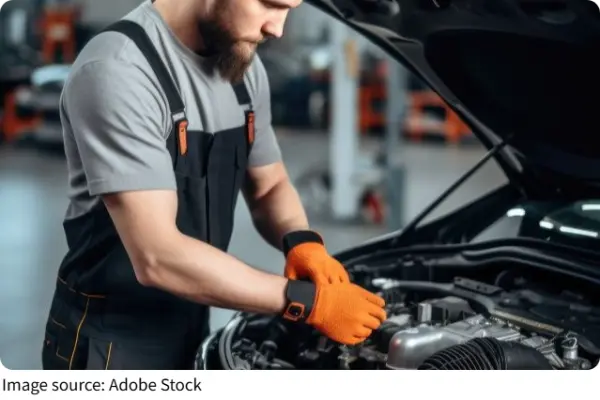
Modern gasoline engines generally use electronic fuel injection to deliver carefully measured amounts of fuel. Sensors monitor operating conditions, enabling the engine control module to adjust fuel delivery according to factors such as engine speed, temperature, and throttle position.
This system helps maintain a suitable air-and-fuel mixture as driving conditions change. More accurate fuel metering supports consistent combustion and reduces the likelihood of the conditions that commonly contributed to backfires in older engines.
More Precise Ignition and Valve Timing
Electronic ignition systems coordinate spark timing with engine speed and load, helping combustion begin at the appropriate point in the engine cycle. This precision supports efficient engine operation across different driving conditions.
Many modern engines also feature variable valve timing, which adjusts when intake and exhaust valves open and close. By managing airflow more effectively, these systems further improve combustion control and reduce opportunities for unwanted ignition in the intake or exhaust.
Why Modern Cars Can Still Pop
Modern engine management greatly reduces traditional backfires, but popping sounds can still occur. Possible causes include worn spark plugs, malfunctioning fuel injectors, sensor faults, or ignition system problems.
An intake backfire occurs when combustion travels back into the intake system. An exhaust afterfire happens when unburned fuel ignites in the exhaust system. Although the sounds can be similar, they originate in different parts of the engine and exhaust system.
Some performance vehicles are also calibrated to produce exhaust pops under particular operating conditions. Whether such sounds are expected depends on the vehicle's design and operating state.
Keeping Engine Systems in Good Condition
Following the recommended maintenance schedule helps preserve the performance of fuel injection, ignition, and related engine systems. Routine servicing and attention to changes in engine behavior can help keep these components working as intended.
Repeated popping, particularly when accompanied by rough running, reduced acceleration, or a warning light, warrants professional inspection. Identifying the source helps determine whether the issue involves fuel delivery, ignition, valve operation, or the exhaust system.
How Modern Engines Changed Backfiring
Modern engines use precise fuel delivery, electronic ignition, and improved valve control to regulate combustion more effectively. These advances have made traditional backfires less common than they were in older vehicles. By coordinating these systems, today's engines deliver more consistent and predictable performance.