Spitzkoppe in Cool Light

Julian
| 09-10-2026
 · Travel team
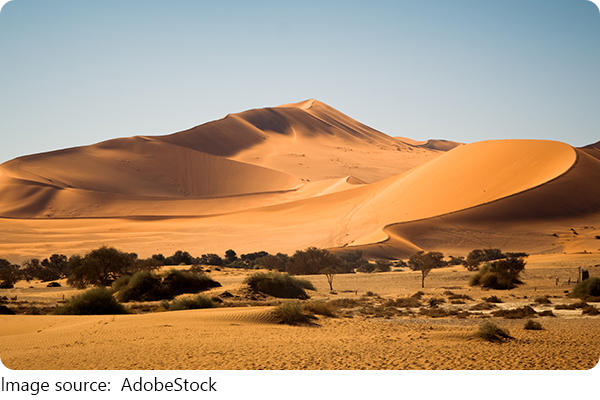
Welcome, desert explorers. Spitzkoppe offers broad desert plains, huge granite forms, and changing colors that are most comfortable to explore during the cooler hours.
This is a remote landscape where water, fuel, and timing matter more than a crowded checklist.
Short self-guided walks are available, while exposed mountain routes require local guidance and stronger preparation. Staying overnight reduces rushed driving and creates room for both late-day and early-morning views.
Spitzkoppe
Time the Granite Landscape
Aim to arrive with several hours of daylight, especially when approaching on gravel roads. Fill the fuel tank in a larger service town, carry more water than the walking plan appears to require, and download directions before leaving reliable coverage. Desert temperatures can shift quickly between afternoon and night, so pack sun protection, a warm layer, and closed footwear rather than relying on a mild forecast.
The natural arch and open granite viewpoints fit a relaxed first afternoon. Walk on established tracks and keep away from unmarked slopes, where polished rock can become unexpectedly steep. Early morning provides cooler conditions for a longer outing and softer light across the plains.
Return before heat builds, then use midday for rest rather than adding an exposed route. A two-night stay removes pressure to fit both walking and photography into the same hot afternoon.
Build a Safe Day Route
Maps for self-guided trails are available at reception, but summit routes belong in a different category. A guided mountain outing may last three to four hours, and more technical objectives require specific experience. Choose the activity after discussing fitness, recent weather, and the route surface with the local guide. A turnaround is a sensible decision when wind, heat, or fatigue changes the plan.
Rock-art areas deserve extra care because the setting is culturally important and physically fragile. Use an authorized guided visit where required, do not touch painted surfaces, and keep food or packs away from rock walls. Photography rules should be checked locally.
A route that combines the arch, a short plain walk, and one guided heritage stop gives variety without treating every formation as a climbing target. Ask reception which roads and paths remain open, since access can change with conservation work.
Know the Park Costs
For the 2025–26 season, a day visit costs about US$11 per person, including levies and tax. A guided walk or drive to designated heritage and landscape points costs roughly US$22.70 per person. Guided mountain hikes begin around US$29.40 and rise to about US$52.10 for the most demanding listed option. Confirm the exact route and inclusions before paying, since activities differ in duration and required skill.
Bring a simple food plan as well as an activity budget. Day visitors and campers should not assume that every site has water or cooking equipment, and remote supplies can be limited. Keep entry, guiding, fuel, meals, and accommodation as separate lines in the total. This makes the lower camping price easier to compare fairly with cabins or lodge rates that include more services.
Choose from Three Stays
Spitzkoppe Rest Camp costs about US$18.40 per person nightly. Its campsites are rustic and unfenced, with shared facilities near reception rather than running water at each pitch; it suits self-sufficient travelers. Spitzkoppe Cabin Camp costs about US$184 nightly for two.
Linen and entry are included, but it remains self-catering, uses shared bathrooms, and asks guests to bring towels and kitchen items. Buying supplies before arrival protects the evening from a long return drive.
Spitzkoppen Lodge costs about US$797 nightly for two at the published per-person sharing rate. Dinner, breakfast, taxes, and conservancy levies are included, and each chalet has a private bathroom; the tradeoff is a very high rate and facilities reserved for lodge guests. Comparing all three reveals the real choice: independence and basic services, a sheltered middle tier, or a full-service stay.
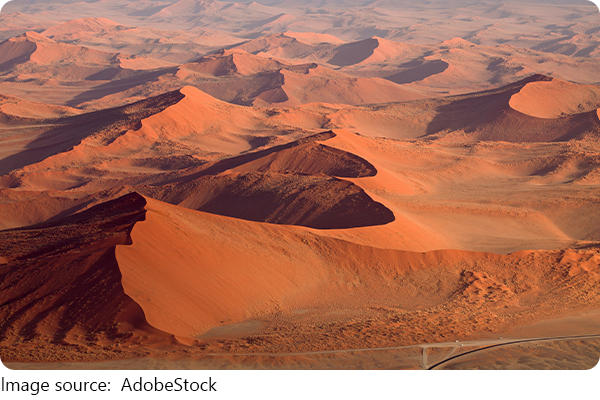
Spitzkoppe deserves enough time to slow the schedule when heat or wind rises. Plan one guided priority, protect the fragile sites, and choose lodging that matches both comfort expectations and the supplies carried in the vehicle.