Europe’s Battery Gap!

Chris Isidore
| 09-10-2026
 · Automobile team
The shift toward electric vehicles depends on more than developing new models and expanding charging networks. Batteries are equally important, and where they are manufactured can influence supply reliability, production costs, and the growth of the automotive industry.
A new study highlighted by the European Automobile Manufacturers’ Association (ACEA) warns that Europe's planned battery manufacturing capacity may fall short of the requirements associated with local production targets.
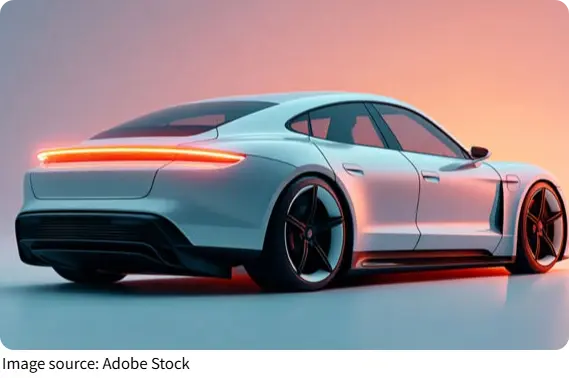
Why Battery Production Matters
Batteries are among the most important components in electric vehicles. Their cost, performance, and availability affect how automakers develop models and organize production. A dependable supply is therefore essential as manufacturers expand their electric vehicle ranges.
Producing batteries within Europe can offer several advantages. Shorter supply routes may improve coordination between battery makers and vehicle assembly plants, while local production can support skilled employment and strengthen industrial expertise. Manufacturers may also find it easier to coordinate product development when battery suppliers operate closer to their facilities.
However, establishing a competitive battery industry requires substantial investment, advanced technology, trained workers, reliable energy supplies, and access to necessary materials. Building factories alone does not guarantee that production will reach the required level or that batteries will be available at competitive prices.
Understanding the Localisation Challenge
Localisation refers to producing a greater share of a product or its components within a particular region. In the automotive industry, this can involve manufacturing batteries and other essential parts closer to the factories where vehicles are assembled.
The challenge identified in the ACEA report concerns the relationship between Europe's available or expected battery production capacity and the demand associated with localisation requirements. If manufacturing does not expand quickly enough, vehicle producers may struggle to obtain sufficient locally produced batteries to meet their planned needs.
It is important to distinguish between announced factory capacity and actual output. A proposed facility may take years to complete, while an operating plant may initially produce below its maximum capacity as equipment, processes, and staffing are developed. Production levels can also depend on demand, investment decisions, and the availability of materials.
For this reason, assessing Europe's battery position requires more than counting announced projects. The timing, scale, and practical performance of manufacturing facilities are equally important.
Why Expanding Capacity Takes Time
Battery manufacturing is a technically demanding process. Facilities require specialized equipment, carefully controlled production environments, and consistent quality standards. Manufacturers must also develop efficient processes to produce batteries that meet the safety, durability, and performance expectations of vehicle companies.
Investment decisions can be difficult because battery technology and market demand continue to develop. Companies need confidence that factories will remain competitive as production methods improve and customer preferences change.
The supply of raw materials and processed battery components also affects manufacturing plans. Even when a factory has sufficient equipment, shortages or delays elsewhere in the supply chain can limit its output.
Developing skilled employees is another consideration. Expanding production requires people with expertise in engineering, manufacturing, quality control, and equipment maintenance. Training these workers takes time and must progress alongside factory development.
What a Supply Shortfall Could Mean
If local battery output does not keep pace with demand, automakers may face difficult choices. They could need to adjust sourcing arrangements, revise production plans, or reconsider the timing of certain vehicle launches. Depending on applicable requirements and available alternatives, insufficient local supply could also make it harder to meet localisation targets.
A shortage of locally produced batteries does not automatically mean that vehicle manufacturing must stop. International suppliers can remain part of the wider supply chain, subject to commercial arrangements and relevant requirements. Nevertheless, greater dependence on external sources may leave manufacturers more exposed to transportation delays, changes in costs, and disruptions affecting suppliers.
Building a More Competitive Battery Industry
Closing the capacity gap requires coordinated action across the supply chain. Battery manufacturers need to turn credible investment plans into productive facilities, while vehicle companies must communicate their expected requirements clearly enough to support long-term planning.
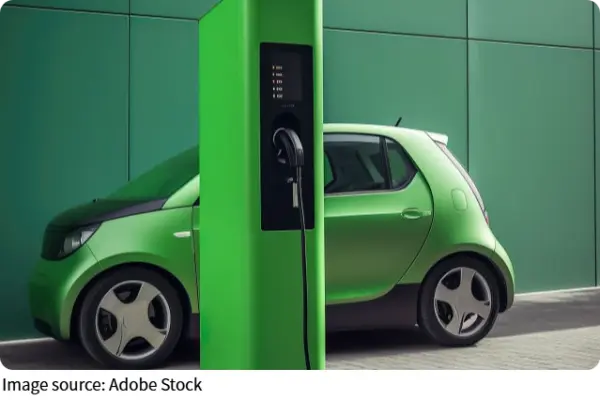
Closing the potential gap will require sustained investment, technical development, skilled workers, and close coordination between battery suppliers and automakers. A stronger local manufacturing base could improve supply resilience and support the expansion of electric mobility, provided that growth keeps pace with real market needs.