Safe Ways to Clear Eyes

Hiro
| 09-10-2026
 · Lifestyle team
A tiny of dust or an eyelash can make an eye feel uncomfortable almost instantly, triggering watering, blinking, and an urge to rub. Although most minor irritants can be managed with gentle care, the wrong approach may scratch the delicate surface of the eye or make the problem worse.
Knowing when to rinse, what to avoid, and when to seek professional help can make a meaningful difference.
Start With Clean Hands and Gentle Rinsing
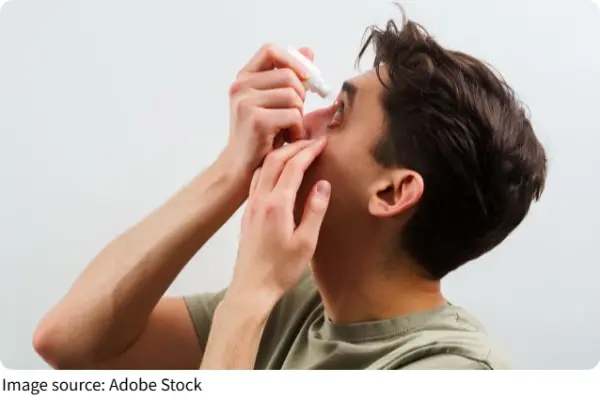
Before touching the area around an irritated eye, wash your hands thoroughly with soap and clean water. This reduces the chance of transferring dirt or germs to an already sensitive area. If the suspected particle is loose and the discomfort is mild, try blinking several times naturally. Tears may help move the debris toward the corner of the eye, where it can be removed more easily.
If blinking does not help, rinse the eye gently with sterile saline intended for eye irrigation or clean, lukewarm water. Allow the liquid to flow across the eye without using force. A clean eyewash station may be useful when available, provided it is suitable for the situation. Avoid directing a strong stream of water at the eye. The aim is to wash away a loose particle, not to apply pressure. If the irritation continues after careful rinsing, stop repeated attempts and consider getting medical advice.
What Not to Do
Rubbing an irritated eye may seem like the quickest way to relieve discomfort, but it can increase friction and potentially scratch the cornea, the clear front surface that helps focus light. If a particle is trapped beneath an eyelid, rubbing may also move it across the surface and worsen irritation.
Do not use fingernails, tweezers, cotton swabs, or other tools to dig around the eye. These objects can cause injury, particularly when the eye moves unexpectedly. Avoid attempting to remove anything that appears embedded in the eye. Do not press on the eyeball or try to pull out a firmly attached object. Such situations require professional assessment.
Contact lenses should also be removed if they can be taken out easily and safely. Do not force a lens away from an irritated eye, especially if it seems stuck or removal causes significant pain.
When Rinsing Is Not Enough
Some symptoms indicate that home care may be insufficient. Seek urgent medical attention if there is significant pain, blurred or reduced vision, marked sensitivity to light, substantial redness, or difficulty opening the eye. Professional assessment is also important if the sensation persists after rinsing, particularly when blinking continues to feel painful. A healthcare professional can examine the eye for a scratch, trapped debris, or another cause of irritation.
Chemical exposure requires immediate action. Begin flushing the eye with plenty of clean, lukewarm running water straight away and continue while arranging urgent medical assistance. Do not delay rinsing while searching for a special solution, and do not try to neutralize the chemical with another substance.
Protect Your Eyes From Future Irritation
A few practical habits can reduce the likelihood of eye irritation. Wear appropriate protective eyewear when doing activities that may produce dust or flying particles, including home repairs, gardening, and workshop tasks.
Keep hands clean before handling contact lenses, and follow the cleaning and replacement instructions provided for them. Avoid sharing eye products or applicators, and never use products that are not intended for contact with the eyes. If irritation occurs frequently, consider whether environmental conditions, dry air, or seasonal allergens may be contributing. Repeated symptoms deserve assessment, especially when accompanied by redness or discomfort.
When something gets into the eye, gentle care is safer than aggressive attempts to remove it. Pay attention to how the eye feels after rinsing, and do not ignore persistent discomfort or changes in vision. Prompt medical care is the safest choice when symptoms are severe, an injury may have occurred, or the source of irritation remains unclear.