A Gentler Cancer Test

Kenji
| 09-10-2026
 · News team
Investigating unexpected bleeding after menopause can involve uncomfortable procedures and several medical appointments. Researchers at the University of Manchester have evaluated a simpler testing approach that could help identify women who need further investigation for uterine cancer.
The findings suggest that examining cells from easily collected samples may improve the comfort and efficiency of initial assessments.

How the New Test Works
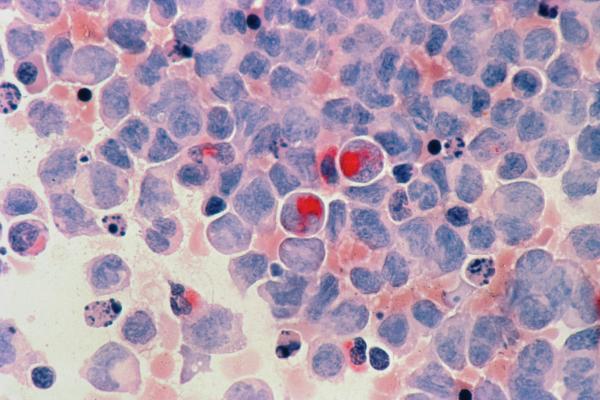
The technique examines cells under a microscope to identify abnormalities that may indicate cancer. Known as cytology, this method allows specialists to assess cellular appearance without removing tissue during the initial sampling process.
The DETECT study involved 1,864 women attending hospitals because of bleeding after menopause. Participants provided vaginal fluid samples and samples collected using a simple, non-invasive method before undergoing standard medical investigations. Specialist cytopathologists assessed the samples without knowing the participants' final diagnoses, helping reduce the possibility of biased interpretation.
Among the participants, 115 were diagnosed with cancer, including 99 cases of uterine cancer and a smaller number of other pelvic cancers. Researchers found that combining the two sample types correctly identified more than 80% of cancers. For uterine cancer, the negative predictive value was 98.8%, meaning that a negative result was strongly associated with the absence of the disease in the study population.
Why Earlier Assessment Matters
Endometrial cancer, which develops in the inner lining of the female reproductive system, affects thousands of women in the United Kingdom each year. Bleeding after menopause is an important warning sign that requires prompt medical evaluation, although many women examined for this symptom do not have cancer.
Current assessments may include ultrasound imaging and procedures that examine or collect tissue from the female reproductive system. These investigations are valuable, but they can cause discomfort, require specialist appointments, or need repeating when initial findings are inconclusive.
A reliable preliminary test could help clinicians prioritize patients who need urgent investigations. It might also provide additional reassurance when results indicate a lower likelihood of cancer.
The researchers reported that the combined sampling approach detected 95.8% of high-grade tumors and 96.4% of cancers that had spread beyond the original site. These findings suggest potential for identifying more aggressive disease, although further evaluation is needed before the test can guide routine clinical decisions.
Professor Emma Davidson, the study's lead researcher at the University of Manchester and an honorary consultant in gynecological oncology at Manchester University NHS Foundation Trust, highlighted the concerns experienced by women undergoing assessment. Davidson stated: “Bleeding after the menopause is understandably alarming for women because it can be a sign of cancer, but the vast majority of those investigated will not have the disease.”
What Must Be Confirmed Next?
Despite the promising findings, the test is not yet a replacement for established diagnostic procedures. Its performance must be evaluated in routine healthcare settings, where patient characteristics and clinical circumstances may differ from those in a research study.
Researchers must also determine how the technique should fit into existing assessment pathways and whether it can reduce unnecessary invasive procedures without delaying essential diagnoses.
A negative result should never be used to dismiss persistent or concerning symptoms. Clinical judgment remains essential, and anyone experiencing bleeding after menopause should seek prompt professional assessment.
The DETECT study suggests that examining cells from vaginal fluid and another easily collected sample could help clinicians assess uterine cancer risk more comfortably. The findings indicate potential for identifying patients who may not need immediate invasive investigations while recognizing cases requiring further examination.
Additional research is necessary before the approach becomes part of standard medical care. If future studies confirm its accuracy and practical benefits, this sampling method could make uterine cancer assessment more accessible, less uncomfortable, and more efficient.