Quiet Quintana Roo

Nolan O'Connor
| 09-10-2026
 · Travel team
Quintana Roo, in southeastern Mexico, is widely associated with busy resorts and lively beaches. Yet beyond Cancún, visitors can find smaller coastal communities, tranquil islands, colorful villages, and natural areas filled with fascinating wildlife.
Several of these destinations can be reached within a few hours of Cancún International Airport, making them appealing for travelers seeking a slower pace.
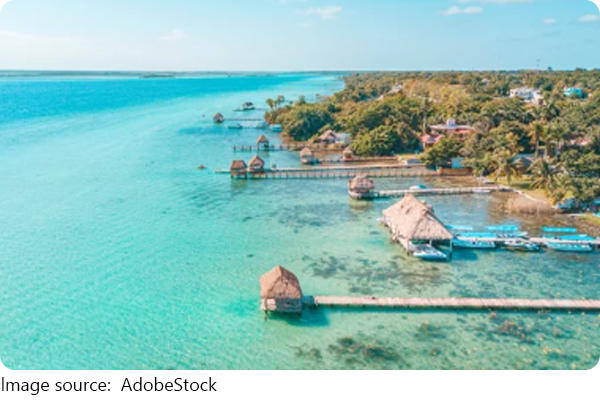
The best experience depends partly on the season. June through August is a notable period for whale shark excursions, bioluminescent water experiences, and flamingo sightings. Weather conditions can change quickly during the hurricane season, while seaweed accumulation may affect some beaches.
Quintana Roo
1. Isla Holbox: A Relaxed Island Escape
Around three hours from Cancún, including the drive to the ferry terminal and the crossing, Isla Holbox offers pale sandy beaches, shallow turquoise water, and streets where bicycles and small electric vehicles are common. The island is also known for wildlife, including flamingos, iguanas, and raccoons.
Punto Mosquito is a popular destination for visitors hoping to observe flamingos in suitable conditions. At the opposite end, Punto Cocos is known for nighttime excursions to see bioluminescence, when tiny organisms create flashes of light in the water. Guided kayaking experiences can provide an opportunity to witness this natural phenomenon.
Estimated costs: Return ferry tickets from Chiquilá are approximately US$40 per person. Accommodation prices vary by season and room type, so advance budgeting is recommended.
2. Puerto Morelos: A Peaceful Seaside Town
Approximately 20 minutes from Cancún by road, Puerto Morelos provides a quieter atmosphere than the region’s larger resort areas. Its coastal district sits beyond a broad stretch of mangroves, with small cafés, local businesses, and a broad sandy beach.
The offshore reef makes the area appealing for snorkeling. Visitors can explore the shallow bay or join a boat excursion to reach sections of the reef where marine life may be easier to observe.
Estimated costs: A two-hour guided snorkeling excursion costs around US$40 per person. A one-way train fare from Cancún to Puerto Morelos was listed at approximately US$13 for international visitors, although current routes and prices should be checked before traveling.
3. El Cuyo: Windy Shores and Open Space
El Cuyo sits on the northeastern coast of the neighboring Yucatán region, roughly two and a half hours by car from Cancún. Its brightly painted buildings, small cafés, and relatively undeveloped shoreline create a different atmosphere from the larger destinations along the Caribbean coast.
Wind is a defining feature of the area, making it attractive to kitesurfers. Visitors who prefer swimming may find the morning more comfortable, while stronger afternoon winds can suit water-sport enthusiasts. Conditions vary, so checking local advice before entering the sea is important.
4. Xcacel: A Protected Natural Beach
Xcacel is a protected coastal area known for its white sand, clear water, and sea turtle nesting grounds. From spring into autumn, loggerhead and green turtles may visit the beach to lay eggs. Because the area supports vulnerable wildlife, access can be restricted in certain sections to protect nesting sites.
A nearby reef also makes the area interesting for shore snorkeling, with many fish species living in the surrounding waters. However, conditions and access rules can change with the season and the presence of seaweed. The beach has limited facilities and is best treated as a day-trip destination.
Estimated costs: Admission for international visitors is approximately US$7. The source lists daytime opening hours of 10 am to 4 pm, but visitors should verify current access arrangements before departure.
These four destinations offer different ways to experience the region, from Holbox’s island scenery to Puerto Morelos’ reef, El Cuyo’s breezy coastline, and Xcacel’s protected habitat. A rental car can make independent travel easier, although train services and taxis may work for selected routes.
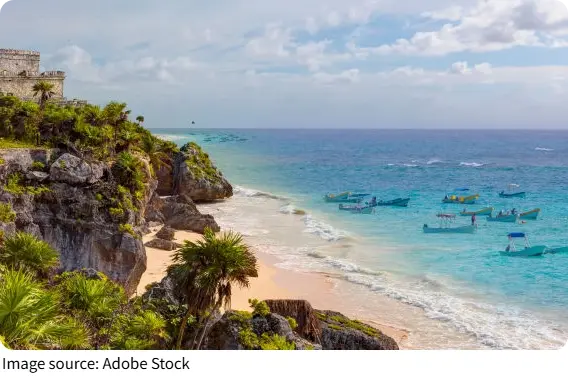
Before setting out, check transportation schedules, weather forecasts, beach conditions, and conservation restrictions. With flexible plans and respect for local environments, Quintana Roo can offer a calmer coastal experience away from the busiest resort districts.