American Samoa Travel

Celia
| 09-10-2026
 · Travel team
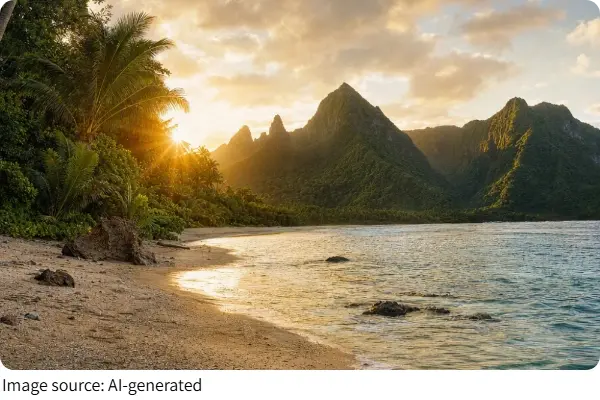
American Samoa offers a quieter South Pacific experience, with green mountains, clear coastal waters, coral reefs, and villages surrounded by tropical scenery.
The main island, Tutuila, provides a practical starting point for exploring local markets and hiking routes, while the more remote Manuʻa Islands reward travelers who have extra time. Rather than relying on large resorts and busy tourist districts, visitors can enjoy a slower journey shaped by nature, local food, and everyday island life.
When to Visit
American Samoa stays warm throughout the year, with temperatures commonly reaching the mid-80s°F. The wetter period generally runs from November through April, bringing heavier rainfall and a greater chance of tropical storms. Trails can become slippery, and boat or flight schedules may change.
May through October is usually drier, making it a good period for hiking, snorkeling, and exploring the coastline. September and October can offer a useful balance of favorable conditions and fewer visitors.
American Samoa
How Long Should You Stay?
Four days is a reasonable amount of time to explore Tutuila and visit nearby Aunuʻu. This allows time for coastal viewpoints, local markets, shorter walks, and selected trails in the National Park of American Samoa. Travelers hoping to reach Ofu, Olosega, and Taʻū should consider extending their trip by about a week. Flights to the outer islands operate on limited schedules and may be affected by weather.
Getting Around the Islands
Pago Pago International Airport on Tutuila is the principal arrival point. Flights connect the island with Honolulu, while travelers coming from Australia or New Zealand may connect through neighboring Samoa. Renting a car offers the greatest flexibility on Tutuila, especially for reaching trailheads and coastal viewpoints.
Rental rates are approximately US$100 per day. Colorful local buses, known as Aiga buses, provide a cheaper alternative, with fares generally around US$0.50–US$2 per ride. Taxis can be arranged at the airport or through accommodation providers.
Explore the National Park
The National Park of American Samoa protects tropical forests, coastal scenery, and sections of coral reef across several islands. There is no general entrance fee, making it an appealing option for travelers interested in outdoor activities. Start at the visitor center for advice about trail conditions and access.
The Mount ʻAlava Trail is a challenging option with broad views across the island. For shorter outings, consider Lower Sauma Ridge Trail or Pola Island Trail, where rocky coastal formations and forested slopes create excellent photography opportunities. Some park areas are located on village land, so ask for permission where local guidance recommends it.
Visit Markets and Relax by the Sea
Fagatogo Market is a useful stop for seasonal fruit, local crafts, wooden items, and patterned clothing. A simple prepared meal may cost around US$8, making the market a practical option for budget-conscious visitors. Lua Tala Beach is another place to spend a relaxed afternoon. Its shallow water can be suitable for wading and snorkeling when conditions are calm. Entrance charge is approximately US$5 per person.
Estimated Travel Budget
Approximate expenses include:
Hotel on Tutuila: from US$150 per night
Aiga bus: US$0.50–US$2 per trip
Car rental: around US$100 per day
Guided island tour: from US$120 per day
Homestay on the Manuʻa Islands: from US$170 per night
Meal from a local market: from US$8
Flight to the Manuʻa Islands: from US$155 one way
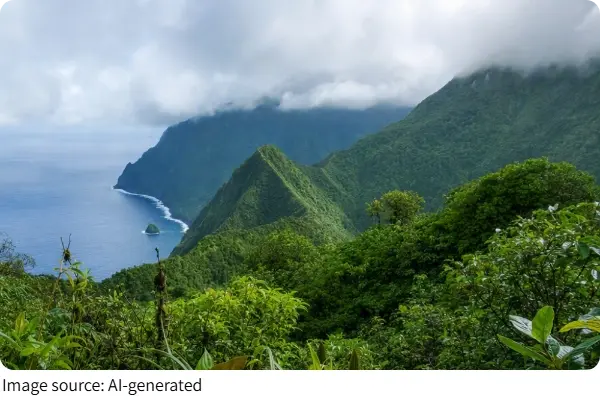
American Samoa is well suited to travelers who enjoy natural scenery, quiet beaches, and a less hurried style of travel. Tutuila offers a manageable introduction, while the outer islands provide a deeper escape for those with more time. Plan transport carefully, respect local customs, and keep your schedule flexible.