Spot Tire Trouble Early

Nora
| 09-10-2026
 · Automobile team
Tires play a major role in how safely and comfortably a vehicle handles the road. Yet, problems can develop gradually, making them easy to overlook during everyday driving.
Changes in tire pressure, unusual vibrations, or visible damage may indicate that something needs attention. Recognizing these warning signs early can help drivers avoid unexpected breakdowns and make better decisions about vehicle maintenance.
1. Unusual Pressure Changes
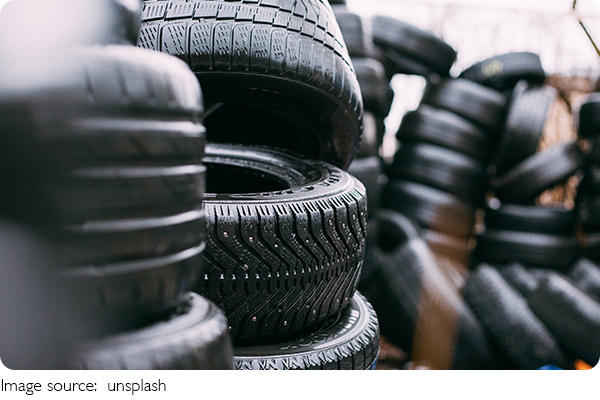
Tire pressure deserves regular attention because it affects handling, braking, and tire wear. A tire that repeatedly loses pressure may have a puncture, a damaged valve, or a problem with the seal between the tire and wheel. Underinflated tires can flex more than intended, generating additional heat while driving. This extra stress may accelerate wear and increase the risk of tire damage.
Drivers should check pressure when the tires are cold and compare the readings with the vehicle manufacturer's recommended figures, usually found on a label inside the driver's door area or in the owner's manual. Do not rely solely on the pressure printed on the tire sidewall, which generally indicates a maximum rather than the vehicle's recommended operating pressure.
2. Cracks, Bulges, and Other Visible Damage
A quick visual inspection can reveal problems that deserve immediate attention. Look for cuts, deep cracks, unusual swelling, or objects embedded in the tread. Pay attention to the sidewalls, as this area can be vulnerable to damage from potholes, curbs, and other road hazards.
A bulge on the sidewall is especially concerning. It can indicate damage to the tire's internal structure, which may weaken its ability to contain air safely. Such damage is not something that should be treated as a cosmetic issue.
Small cracks may also develop as rubber ages and experiences repeated exposure to sunlight, heat, and environmental conditions. Even if the tread appears adequate, an aging tire may no longer provide dependable performance. If a tire has a bulge, significant cut, or other serious structural damage, avoid driving on it. Arrange a professional inspection and replacement when necessary.
3. Tread Wear That Looks Uneven
Tread patterns can provide useful clues about a tire's condition and the vehicle's mechanical health. When one shoulder wears faster than the other, possible causes include incorrect wheel alignment or improper inflation. Wear concentrated in the center or along both outer edges may also suggest a pressure-related problem.
Uneven wear can sometimes point to worn suspension components or wheel-balancing issues. These problems should be investigated because replacing a tire without addressing the underlying cause may lead to the same damage happening again.
4. Vibrations, Pulling, or Unusual Noises
A vehicle that begins vibrating, pulling to one side, or producing unfamiliar tire-related sounds may be signaling a problem. These symptoms do not always mean the tire itself is failing, but they should not be ignored. Vibration at certain speeds can result from wheel imbalance, a damaged tire, or a bent wheel. A vehicle that consistently pulls to one side may have an alignment problem or uneven tire pressure.
Notice when the symptoms occur, whether they become stronger with speed, and whether they appear after striking a pothole. This information can help a technician identify the cause. If the vehicle suddenly develops severe vibration, handling difficulties, or a loud thumping noise, slow down carefully, pull over somewhere safe, and seek assistance rather than continuing the journey.
5. Tire Age and Repeated Repairs
Tires can deteriorate even when a vehicle is driven infrequently. Rubber compounds change over time, while prolonged exposure to heat and sunlight can contribute to cracking and reduced durability. Check the manufacturing date printed in the tire's identification code. The final four digits generally indicate the production week and year. For example, a code ending in 2423 indicates production during the 24th week of 2023.
There is no single replacement age that applies to every tire. Follow the vehicle and tire manufacturers' recommendations, and arrange professional assessments as the tires get older.
Repeated pressure loss or previous puncture repairs also deserve attention. Not every puncture makes a tire unusable, but repair suitability depends on the damage's location, size, and the tire's overall condition. A qualified professional should determine whether a repair is safe.
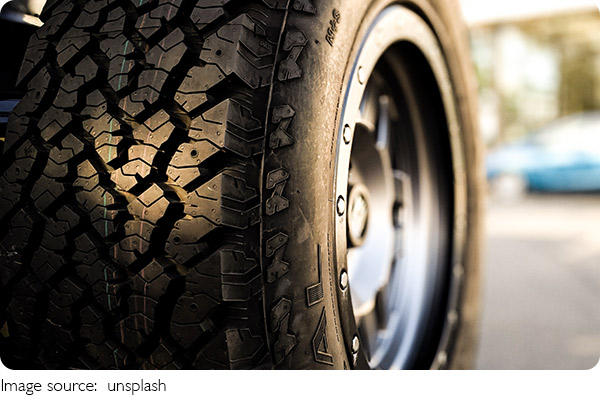
Most importantly, do not continue driving on a tire that appears structurally damaged or causes sudden handling problems. Timely professional assessment and appropriate replacement can help preserve vehicle control, improve reliability, and make everyday journeys safer.