Secondhand Style Finds

Camille Dubois
| 09-10-2026
 · Lifestyle team
Shopping secondhand offers more than a chance to save money. It is an opportunity to find distinctive pieces, experiment with personal style, and build a wardrobe that feels less predictable.
From oversized shirts to well-made jackets, pre-owned clothing can reveal unexpected treasures when shoppers know where to look.
Start With the Men’s Clothing Section
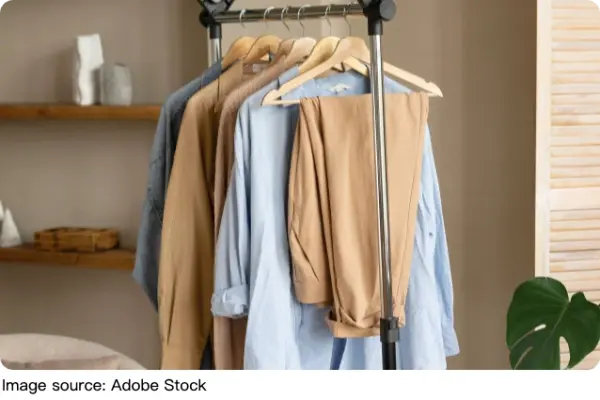
One useful trick when browsing thrift stores is to explore the men’s section, even when shopping for a traditionally feminine wardrobe. This area can offer relaxed button-down shirts, roomy knitwear, structured jackets, and classic outerwear that work well in a variety of outfits.
Look beyond the label on the rack and focus on the garment itself. A generously cut shirt can be worn open over a simple top, tucked into trousers, or styled with a belt for a more defined shape. A loose jacket may add structure to a casual outfit without feeling restrictive.
Sizing is also worth approaching differently when buying secondhand. Older garments, different brands, and varying cuts can make the numbers on clothing labels unreliable. Whenever possible, try items on and pay attention to shoulder placement, sleeve length, and overall comfort rather than relying entirely on the stated size.
Look for Quality Before Labels
A recognizable brand does not automatically make a garment a good purchase. Fabric, construction, and condition are often more useful indicators of whether an item deserves a place in the wardrobe.
Check seams for loose threads, examine buttons and zippers, and look closely at areas that receive frequent wear, such as cuffs, collars, and underarms. For knitwear, inspect the surface for thinning or holes. With trousers and jackets, check whether the fastenings work properly and whether the fabric has retained its shape.
Natural fabrics such as cotton, wool, and linen can be appealing choices, depending on the intended use and how the garment has been cared for. However, material alone does not guarantee durability. A well-maintained synthetic blend may be more practical for certain activities, while a poorly cared-for natural fabric may require repairs.
Embrace Imperfection
Secondhand clothing rarely offers the uniform appearance of freshly manufactured products. A small amount of fading, a slightly softened texture, or minor signs of previous wear can give a garment character without affecting its usefulness.
The important distinction is between cosmetic imperfections and genuine damage. Faded denim or a softened cotton shirt may still have plenty of life left, while weakened seams, persistent odors, damaged fastenings, or fabric that is beginning to fall apart deserve closer consideration.
Before purchasing anything, decide which flaws are acceptable and which would make the garment difficult to wear. Small, manageable issues can sometimes be addressed with basic sewing skills or simple alterations. More extensive repairs, however, may cost more time and money than the item is worth.
Shop With a Flexible Plan
Arriving with a shopping list helps prevent unnecessary purchases, but strict expectations can make it harder to spot unusual finds. A balanced approach works best: identify the wardrobe gaps that matter most, then remain open to unexpected discoveries.
For example, someone looking for a versatile jacket might find that a slightly oversized blazer works better than the fitted style originally imagined. A simple men's shirt might become a useful layering piece, while an older knit sweater could add texture to outfits built around basic trousers.
Give Pre-Owned Pieces a Fresh Start
Once a secondhand find comes home, inspect it again before adding it to regular rotation. Follow the care label and choose an appropriate cleaning method for the fabric. Delicate materials may need gentler treatment than sturdy everyday clothing.
Small adjustments can also improve the way a garment looks and feels. Replacing a missing button, repairing a loose hem, or having a jacket tailored can help an otherwise suitable item fit more comfortably. Before arranging professional alterations, consider whether the likely cost makes sense for the garment.
Styling is another way to make older clothing feel current. Pairing a relaxed shirt with tailored trousers, combining different textures, or adding a simple accessory can give a pre-owned piece a fresh role in an existing wardrobe. The goal is not to disguise its history but to make it work naturally with personal taste.
Successful secondhand shopping depends on curiosity, patience, and thoughtful decisions. With a little practice, secondhand shopping can become a practical way to develop a more individual style while making better use of clothing that is already in circulation.