Okinawa Island Getaway

Chris Isidore
| 09-10-2026
 · Travel team
Okinawa, Japan’s southern island region, offers a different pace from the country’s busy metropolitan destinations.
Its turquoise waters, subtropical forests, small coastal communities, and distinctive local cuisine make it appealing to travelers seeking both outdoor activities and cultural experiences.
When to Visit Okinawa
March through early July is a popular period for enjoying the coast and outdoor attractions. July and August bring hot, humid weather and larger crowds, so booking flights and accommodation early is advisable. September and October can still offer warm sea temperatures, but tropical storms may disrupt flights, ferries, and outdoor plans.
Okinawa
How Long Should You Stay?
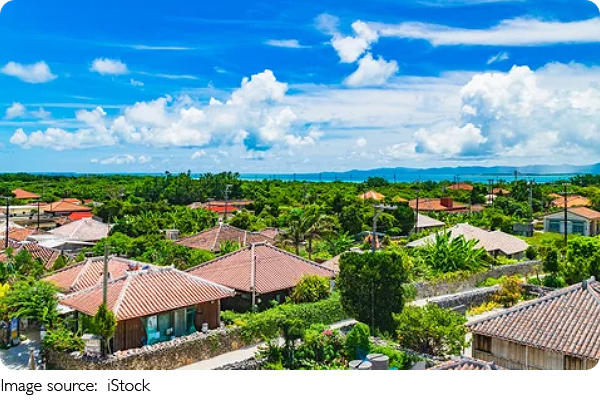
A week to ten days provides a useful introduction to Okinawa. Spend several days exploring Naha and the main island, then travel to another island group for beaches, snorkeling, or nature walks. With two weeks, you can explore more than one island region without rushing. The Miyako Islands are known for bright sandy beaches and clear water, while the Yaeyama Islands offer forested landscapes and traditional villages.
Getting Around the Islands
Naha Airport is the main gateway, with domestic connections from major Japanese cities and flights from selected Asian destinations. Ishigaki and Miyako also receive direct domestic flights. A rental car is useful for exploring the main island because buses outside Naha can be infrequent. The Yui Rail monorail connects several areas of Naha.
Visit Cultural and Natural Attractions
Shuri Castle is a notable landmark associated with Okinawa's past and distinctive architectural style. Visitors can also explore the remains of Nakijin and Katsuren castles for elevated views across the surrounding landscape. For marine activities, Ishigaki is a popular base for guided diving trips. Depending on conditions, divers may encounter manta rays, sea turtles, and colorful reef life.
In Naha, Makishi Public Market is a good place to browse tropical fruit, seafood, and regional ingredients. The Museum of Cham Sculpture offers another cultural stop, displaying carved works connected to the artistic heritage of the region. Taketomi Island provides a slower experience, with narrow lanes, traditional houses, and stone walls. Visitors can explore on foot or by bicycle and visit Kaiji Beach, known for its distinctive star-shaped sand grains.
Explore Iriomote’s Wild Landscapes
Iriomote Island is known for subtropical forests, mangroves, rivers, and waterfall trails. Guided excursions offer a way to explore the landscape while learning about its distinctive ecosystem. Pinaisara Falls is a well-known destination, while other routes provide opportunities for quieter nature walks. The island is also home to the rare Iriomote wildcat, a species found nowhere else. Respect wildlife by observing from a distance and staying on established routes.
Estimated Travel Costs
Approximate costs based on the source’s listed prices and rounded exchange-rate conversions include:
Luxury resort for two: US$200–US$665 per night
Beginner scuba dive: US$67–US$120
Rental car: US$33–US$67 per day
Inter-island flight: US$53–US$167 one way
Ferry between islands: US$7–US$33 one way
Traveling With Children
Families can enjoy Okinawa's shallow coastal areas, aquarium exhibits, and easy outdoor excursions. Okinawa Churaumi Aquarium features large marine displays, while Nago Pineapple Park offers themed attractions. Glass-bottom boat trips are another option for viewing underwater scenery without swimming.
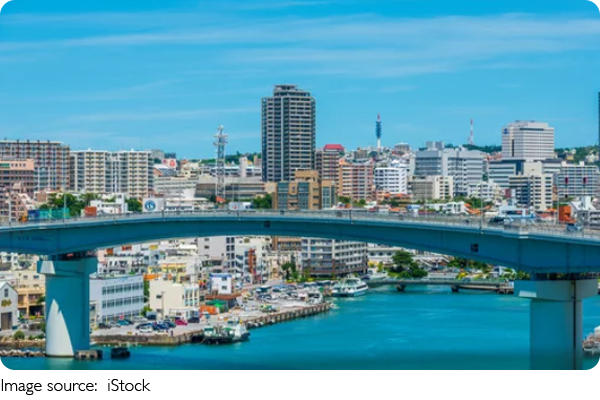
Okinawa offers a rewarding mix of coastal scenery, island traditions, outdoor exploration, and distinctive local food. Plan your route around travel connections and seasonal weather, and leave enough time to enjoy each destination without rushing. A thoughtful itinerary makes it easier to appreciate both the popular attractions and the quieter corners of Okinawa.