A Passion for Bluebirds!

Darius
| 12-10-2026
 · Animal team
Bluebirds have a special place in the hearts of many nature enthusiasts. Their bright plumage, gentle appearance, and familiar presence in open landscapes make them rewarding to observe.
Yet the appeal of bluebirds goes beyond their appearance. Watching them raise their young, search for food, and respond to changes in their surroundings can encourage a deeper appreciation for the natural world.

What Makes Bluebirds So Appealing?
Bluebirds are small songbirds belonging to the thrush family. In North America, three familiar species are the Eastern bluebird, Western bluebird, and Mountain bluebird. Although each has its own characteristics, all are admired for their distinctive coloring and lively behavior.
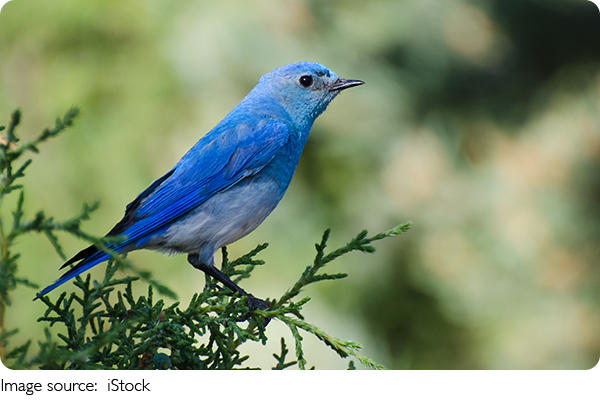
The Mountain bluebird is especially recognizable for its predominantly blue plumage, while Eastern and Western bluebirds display combinations of blue and warm reddish tones. Their appearance changes subtly with lighting, making them particularly interesting to watch in different outdoor settings.
Their appeal also comes from their behavior. Bluebirds often perch on exposed branches, fences, or other convenient viewpoints before moving down to catch insects. These moments provide excellent opportunities for observation without requiring specialized equipment.
A Closer Look at Their Daily Lives
Bluebirds spend much of their time searching for food, maintaining their territories, and caring for their young during the breeding season. Their diet includes insects and other small invertebrates, while berries and other fruits become important food sources at certain times of the year.
Watching a bluebird hunt reveals how it uses its surroundings. From an elevated perch, it can scan the ground for movement before swooping down to capture prey. This feeding technique makes open areas with scattered perches particularly useful habitats.
Their daily routines also change with the seasons. During warmer months, suitable nesting locations and plentiful insects help support reproduction. When temperatures fall, some populations move to different areas, while others remain in their established range. These seasonal patterns depend on the species and local conditions.
Why Nesting Sites Matter
A safe place to raise young is essential for bluebirds. These birds are cavity nesters, meaning they use enclosed spaces such as natural tree hollows or suitable nesting boxes. They do not usually build open nests on exposed branches, unlike many other songbirds.
In areas where old trees and natural cavities are scarce, properly designed nest boxes can provide additional nesting opportunities. Placement matters: the box should suit the local bluebird species and be positioned where it can be monitored safely without unnecessary disturbance.
During the nesting period, adults work together to care for their developing offspring. They bring food to the nest and attend to their young's needs until the fledglings are ready to leave. Observing this process can help people understand the time and effort required to raise a new generation of birds.
The Joy of Watching Bluebirds
Bluebird watching encourages patience and attention to detail. A quiet visit to a suitable habitat may reveal feeding behavior, interactions between individuals, or changes in activity as the seasons progress. Binoculars can make observations easier, although they are not essential. A notebook or camera can help record sightings and note details such as location, weather, and behavior. Over time, these observations may reveal patterns that would otherwise go unnoticed.
The attraction of bluebirds comes from more than their striking appearance. By paying attention to the small details of their lives, you too can develop a stronger connection with the wildlife around us.