Goldfinch Facts That Wow!

Leila
| 13-10-2026
 · Animal team
Goldfinches are small songbirds that bring movement, color, and cheerful sounds to gardens and open landscapes. Their bright plumage, delicate calls, and lively feeding habits make them easy to appreciate, especially when they visit flowering plants or gather around seed-producing flowers.
Beyond their attractive appearance, these birds have several interesting characteristics, including seasonal changes in their feathers, a specialized diet, and a close relationship with the plants growing around them.
They Have a Special Taste for Seeds
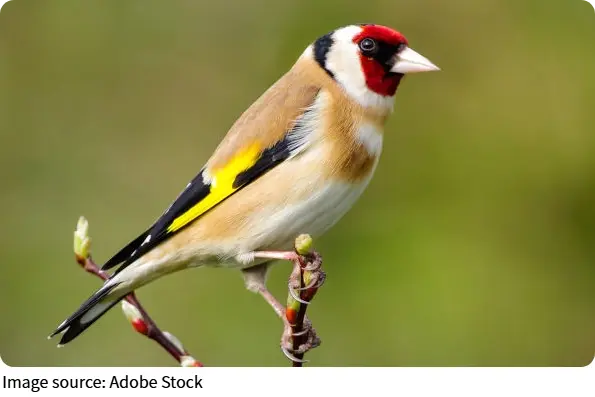
Goldfinches are strongly associated with seeds, which form a major part of their diet. Goldfinches frequently feed on seeds from plants such as thistles, sunflowers, and asters. Their slender bills help them handle small seeds, while their feeding behavior allows them to exploit resources that other birds may overlook.
Goldfinches also favor seeds, particularly those from thistles and related plants. Their ability to feed on different seed-producing species helps them find nourishment across a variety of habitats.
Native Plants Can Make Gardens More Attractive
A garden filled with suitable plants can offer goldfinches more than a decorative display. Native plants that produce seeds provide natural food, while their growth can also support insects and other wildlife within the wider garden ecosystem.
For goldfinches, coneflowers, asters, and sunflowers can be useful choices in appropriate regions. Thistles are also valuable seed sources, although gardeners may prefer manageable native species rather than allowing unwanted varieties to spread. Plant selection should reflect the local climate and the species naturally found in the area.
Their Nesting Schedule Is Unusual
Goldfinches tend to nest later in the season than many other familiar songbirds. Their breeding schedule is closely associated with the availability of seeds and suitable nesting materials. They often use plant fibers to construct their nests, creating a small, carefully woven structure. The female generally builds the nest, while the male may remain nearby and contribute to the pair's activities.
They Can Visit Gardens in Groups
Goldfinches are often seen feeding alongside others, particularly when a reliable supply of seeds is available. Their lively movements can make a feeding area feel busy, with individuals arriving, departing, and shifting between nearby plants. Goldfinches may form flocks outside the breeding season and travel together in search of food. Their social feeding behavior makes them easier to notice when several birds gather on seed heads or at a well-stocked feeder.
Their Songs Help Make Them Memorable
Goldfinches are not known only for their appearance. Their calls and songs provide another useful clue when observing them outdoors. Goldfinches produce a variety of high-pitched calls and musical phrases. Their vocalizations can help individuals communicate while moving between feeding locations or maintaining contact with nearby birds.
Small Garden Changes Can Help Them
Supporting goldfinches does not necessarily require a large garden. A few carefully selected plants can provide useful resources, especially when they are allowed to develop mature seed heads. Avoid removing every faded flower immediately. Leaving some suitable plants standing after flowering gives seeds time to develop and become available to birds.
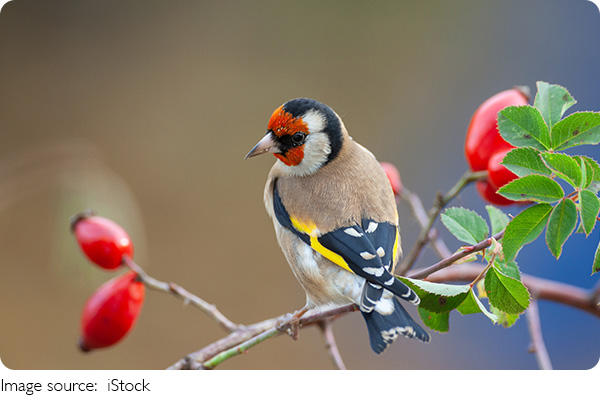
Goldfinches are remarkable little birds because of their seasonal colors, seed-focused diets, distinctive calls, and close relationship with flowering plants. Their habits offer a useful reminder that a garden can support wildlife while remaining attractive and manageable. The most rewarding part is often seeing how a few thoughtful choices can bring more natural activity into an everyday outdoor space.