Safe Driving in Snow!

Priya
| 09-10-2026
 · Automobile team
Snow-covered roads can turn an ordinary drive into a challenge, even for experienced motorists. Reduced visibility, slippery surfaces, and hidden patches of ice make it harder to steer, stop, and judge distances.
The safest approach begins before the engine starts: prepare the vehicle, check the weather, and allow extra time to reach the destination. Once on the road, smooth movements and careful decisions can help reduce the risk of losing control.
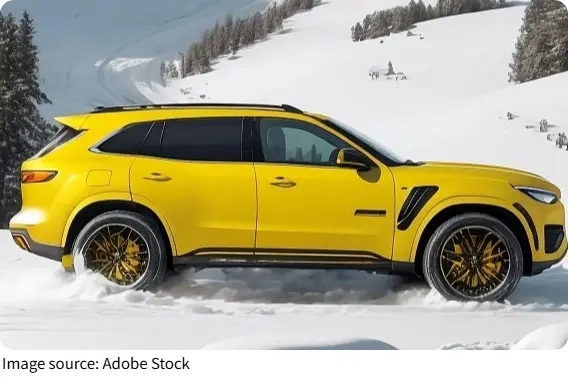
Prepare Your Car Before Leaving
A vehicle needs extra attention before traveling in cold, snowy conditions. Check the tires for adequate tread and visible damage, and make sure their pressure meets the manufacturer's recommendations. Winter tires can provide better grip than ordinary tires in cold conditions, particularly on snow and ice. Drivers should select tires suitable for the climate and follow local requirements.
Test the brakes, headlights, turn signals, and windshield wipers. Fill the windshield washer reservoir with fluid rated for freezing temperatures, and check that the heating and defrosting systems work properly. Clear snow and ice from every window, mirror, light, and the roof before moving.
Keep an emergency kit in the car. Useful supplies include a flashlight, warm clothing, drinking water, a first-aid kit, a phone power bank, and a snow brush. Depending on the route, a small shovel and traction aids may also be helpful.
Check Weather and Road Conditions
Before departing, review the forecast and any available road-condition updates. Snowfall can intensify, visibility can deteriorate, and a route that was manageable earlier may become difficult later. If authorities advise against unnecessary travel or conditions appear dangerous, postponing the journey is the better option.
Allow more time than usual and choose a route that can be traveled safely. Main roads may receive more frequent maintenance than smaller roads, although conditions vary. Tell someone about your expected arrival time when traveling through remote areas, and keep navigation information available in case mobile coverage becomes unreliable.
Reduce Speed and Increase Following Distance
Speed limits indicate the maximum permitted speed under suitable conditions, not a target for every situation. On snow or ice, travel at a pace that allows you to respond calmly to changes in the road. Even a familiar bend or intersection can require a different approach when traction is reduced.
Leave a much larger gap between your vehicle and the one ahead. Stopping takes longer when tires have limited grip, and a short following distance leaves little room to react. Avoid sudden acceleration, sharp steering, and forceful braking. Gentle inputs help the tires maintain contact with the road instead of demanding more grip than the surface can provide.
Brake and Steer With Care
Plan ahead for intersections, turns, and changes in traffic. Ease off the accelerator early and apply the brakes gradually when approaching a stop. If the vehicle has an anti-lock braking system, press the brake pedal firmly when emergency braking is necessary and maintain pressure while steering toward a safe path. The system helps prevent the wheels from locking, but it cannot eliminate the extra stopping distance caused by slippery surfaces.
Use Lights and Keep Windows Clear
Snowfall and road spray can make it difficult to see other motorists. Switch on the appropriate headlights when visibility is reduced, and use low beams in falling snow or foggy conditions where high beams may reflect light back toward the driver. Make sure the lights remain free of snow and dirt.
Use the defroster to prevent windows from fogging, and keep mirrors clear. If visibility becomes too poor to continue safely, find a suitable place away from moving traffic and stop. Avoid stopping in a travel lane or on a narrow shoulder unless an emergency leaves no safer alternative.
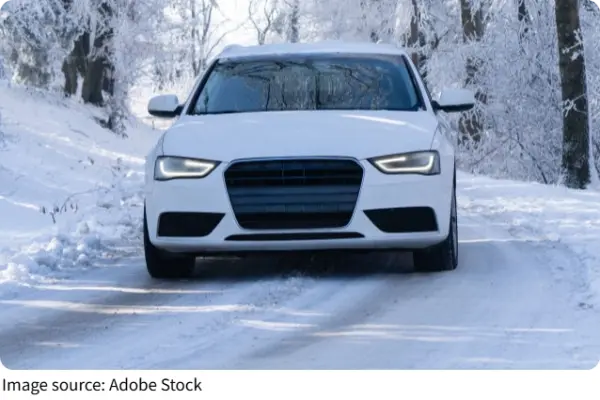
Safe winter driving relies on preparation, patience, and awareness. Check the vehicle, monitor changing conditions, leave plenty of space, and use gentle steering and braking. Most importantly, recognize when the road is too dangerous for travel. Arriving later is far better than taking unnecessary risks on a slippery surface.