The Joy of Wand Play

Adrian
| 09-10-2026
 · Animal team
Pick up a wand toy, and even a relaxed cat may suddenly become alert. Its eyes follow the moving attachment, its body lowers, and a quick pounce may follow.
This reaction is closely connected to a cat's natural hunting instincts. Wand toys mimic the movements of small prey, giving cats opportunities to stalk, chase, and capture prey in a safe indoor setting.
Movement Naturally Gets Attention
Cats are highly responsive to movement, particularly when something small changes speed or direction. A wand toy dragged across the floor or moved behind furniture can resemble the unpredictable movements of prey.
A cat may crouch, watch closely, and wait for the right moment to pounce. These behaviors are part of its natural hunting sequence, even when the cat is well fed and has no need to catch food.
A wand toy is especially engaging because a person controls its movements. Unlike a stationary toy, it can pause, retreat, and reappear, creating opportunities for the cat to observe and react.
For the most realistic play, move the attachment as though it were a small animal trying to escape rather than waving it continuously in front of the cat's face.
Curiosity Makes the Game Better
Movement is only part of what makes wand toys interesting. Different attachments can offer changing shapes, textures, and sounds that encourage cats to investigate.
Feathers, fabric strips, and small soft toys may attract attention in different ways. Some cats prefer objects that skim across the ground, while others enjoy following a toy that briefly lifts into the air.
A toy that disappears behind a chair or pauses at the edge of a rug can also encourage stalking. The cat has time to watch, approach, and decide when to move.
Preferences vary between cats, so experimenting with different attachments and movement patterns is often more useful than expecting every cat to enjoy the same game.
A Simple Way to Stay Active
Indoor cats often spend much of their day resting, and interactive play provides an opportunity for physical activity. Chasing a wand toy can involve walking, running, turning, stretching, and jumping.
These movements can help cats stay active, but play does not need to become an exhausting workout. Several short sessions may be easier to fit into a daily routine than one long session.
Age, health, and fitness matter. Kittens may enjoy energetic games, while older cats or those with mobility problems may prefer slower movements that allow them to reach and catch the toy without jumping.
Watch for signs that your cat wants to stop, such as walking away, losing interest, or showing unusual fatigue. The aim is enjoyable movement, not pushing the cat beyond its comfort level.
The Satisfaction of Catching It
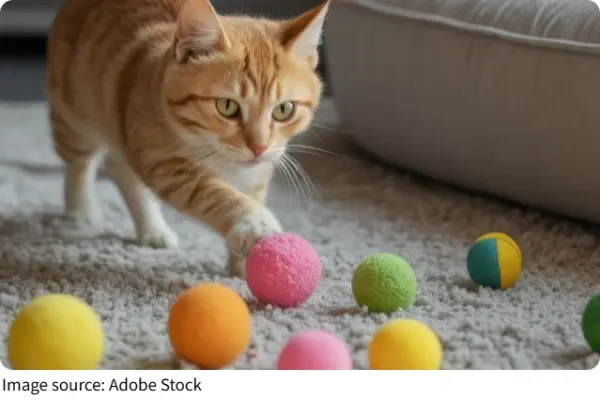
An important part of wand play is giving your cat opportunities to catch the attachment. Hunting behavior involves more than chasing. Cats also stalk, pounce, and grab their target.
If a toy remains out of reach throughout the game, some cats may lose interest or become frustrated. Allowing regular successful catches helps complete the sequence.
After a catch, let your cat hold the toy briefly before moving it again. You can also slow the movements toward the end of the session and finish with a final capture.
Some owners follow play with a small treat or a regular meal, creating a routine that resembles the progression from hunting to eating. This is optional, and any treats should fit within the cat's normal diet.
Play Can Build a Stronger Bond
Wand play creates an opportunity for cats and their owners to interact positively. Instead of simply leaving a toy on the floor, you can join an activity the cat can enjoy.
Over time, regular play sessions may become a familiar part of the daily routine. Some cats begin to approach their owners or wait near a favorite play area when they expect the game to begin.
The most important part is allowing the cat some control. If it wants to watch rather than chase, give it time. If it walks away, let the session end.
Respecting these preferences can make shared play more comfortable and enjoyable for both of you.
Make Each Session More Interesting
A good wand game does not require constant fast movement. Try dragging the attachment slowly across the floor, pausing briefly, and then changing direction.
Let the toy disappear behind a piece of furniture before bringing it back into view. This gives your cat opportunities to watch, stalk, and choose when to pounce.
Keep most movements within comfortable reach, especially for older cats. Avoid encouraging repeated high jumps or twisting landings on slippery surfaces.
Wand toys should be used under supervision. Strings, ribbons, feathers, and small attachments can be dangerous if chewed off or swallowed. Check toys for damage and store them out of reach when the session ends.
A few minutes of varied, supervised play can be more engaging than a long session of repetitive movements.
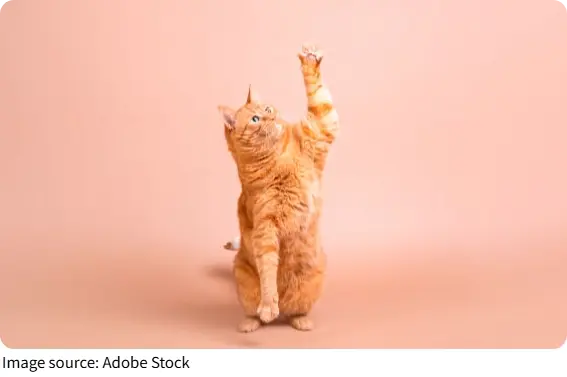
Wand toys appeal to cats because they mimic aspects of hunting. The moving attachment invites stalking and chasing, while a successful catch provides a natural finish to the activity.
By varying the movements, respecting your cat's pace, and keeping the toy safe, you can turn a simple game into a useful part of its daily routine.