The Snow Leopard's Coat

Liam Reilly
| 14-10-2026
 · Animal team
High in the mountains of Central Asia, snow leopards live in harsh environments where temperatures drop sharply, and icy winds sweep across rocky slopes. Despite these extreme conditions, these elusive cats move through snowy landscapes with remarkable ease.
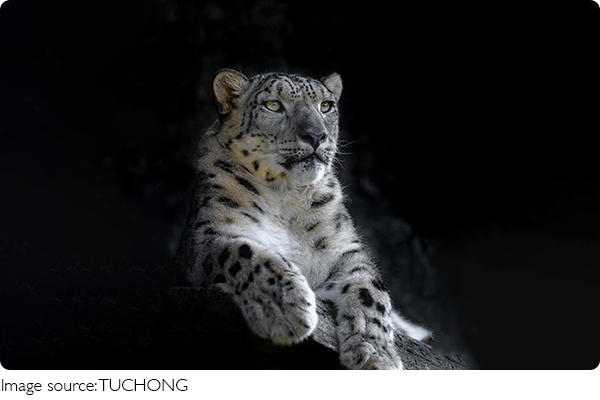
Their thick fur helps retain body heat, protecting them from the cold. Beyond providing warmth, the coat’s texture, length, and distribution across the body help snow leopards adapt to their challenging mountain habitat.
A Thick Coat Built for Cold Weather
The snow leopard has one of the most distinctive coats among wild cats. Its fur is dense and woolly, creating an insulating layer between the animal’s skin and the cold air outside. This layer helps slow the loss of body heat, allowing the cat to maintain a stable internal temperature even when the surrounding environment becomes extremely cold.
Unlike a thin coat that offers limited protection, the snow leopard’s fur contains many fine hairs that trap pockets of air. Because air is a poor conductor of heat when it remains relatively still, these tiny spaces help reduce heat loss from the body. The result is a natural barrier that makes cold mountain conditions easier to tolerate.
This insulation is especially important because snow leopards inhabit high-altitude regions, where weather can change quickly, and temperatures may fall well below freezing.
Why the Fur Is So Long and Dense
A snow leopard’s coat is particularly thick during the colder months. Its long body fur provides extensive coverage, while the dense undercoat adds another layer of insulation. Together, these layers help protect the animal against cold air and wind.
The fur also varies in length across different parts of the body. Hair around the belly is especially long, helping shield the underside when the cat rests on cold rocks or snow. This extra coverage is useful because the belly can otherwise lose heat through contact with cold surfaces.
Seasonal changes in the coat also help the snow leopard adjust to its environment. A thicker winter coat offers greater protection during the coldest periods, while seasonal shedding helps prevent excessive insulation as conditions warm.
How Its Paws Help Keep It Warm
The snow leopard’s fur extends beyond its body, protecting its broad paws. Thick hair grows between the toes and across the undersides of the feet, helping reduce direct contact with snow and icy ground.
These large paws also distribute the animal’s weight over a wider area, making it easier to walk across soft snow without sinking as deeply. The combination of broad feet and insulating fur supports movement across rugged mountain terrain. The hair around the paws offers another advantage: it helps protect sensitive areas from cold surfaces.
This is particularly useful when the cat travels over snow-covered rocks or waits quietly in a sheltered spot. Although the paws are well adapted to cold conditions, they still exchange heat with their surroundings. Their fur reduces exposure rather than making them completely unaffected by low temperatures.
A Long, Bushy Tail With Two Jobs
One of the snow leopard’s most recognizable features is its long, thick tail. Its dense fur helps provide insulation, especially when the animal curls up to rest. In cold weather, a snow leopard can wrap its tail around its body, bringing it close to its face. This position helps cover exposed areas and reduce heat loss while the cat rests. The tail therefore acts as a convenient, built-in layer of protection.
Its usefulness does not stop there. The tail also helps the snow leopard maintain balance while moving along steep slopes and narrow rocky ledges. This combination of warmth and balance makes it valuable in the challenging landscapes the animal inhabits.
Fur Works With Other Adaptations
Although fur is essential, it is only one part of the snow leopard’s cold-weather adaptations. Its compact ears help limit heat loss from the head, while its powerful body supports movement through demanding terrain.
The animal’s behavior matters, too. Snow leopards can seek shelter among rocks and in protected areas when conditions become particularly harsh. Choosing a sheltered resting place reduces exposure to wind and helps their insulating coat work more effectively.
Their pale gray fur, marked with dark spots and rosettes, also helps them blend into rocky surroundings. This coloring serves a different purpose from insulation, but it demonstrates how one coat can support several aspects of survival. Its pattern provides camouflage, while its thickness helps regulate body temperature.
The snow leopard’s thick fur is a carefully adapted natural defense against cold mountain conditions. Dense underfur traps insulating air, longer hairs protect vulnerable areas, and furry paws help limit contact with icy surfaces. Its bushy tail adds warmth during rest while supporting balance on steep terrain.
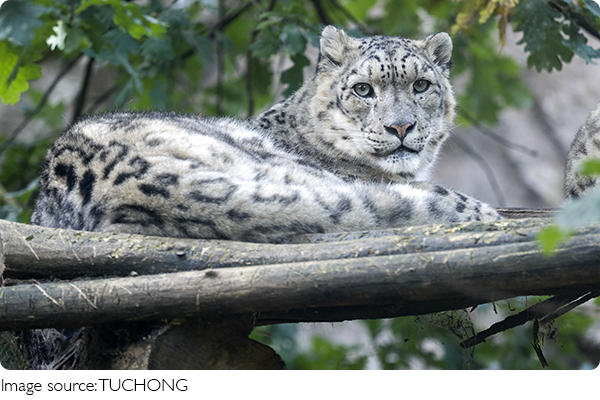
Together, these features help the snow leopard remain active in an environment where temperatures and weather can be demanding. Its coat is not simply a covering; it is an essential part of the animal’s ability to live in some of the coldest mountain habitats on Earth.